
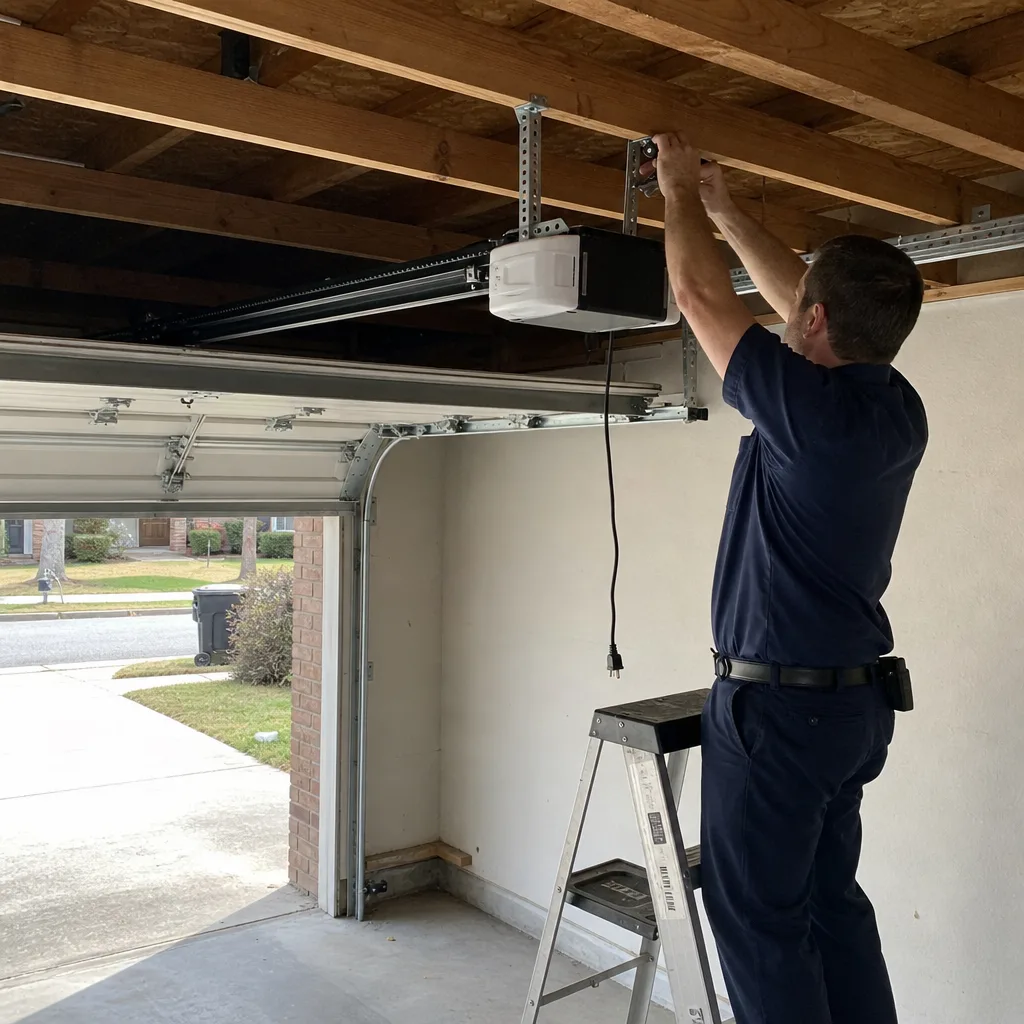
Last updated November 15, 2026
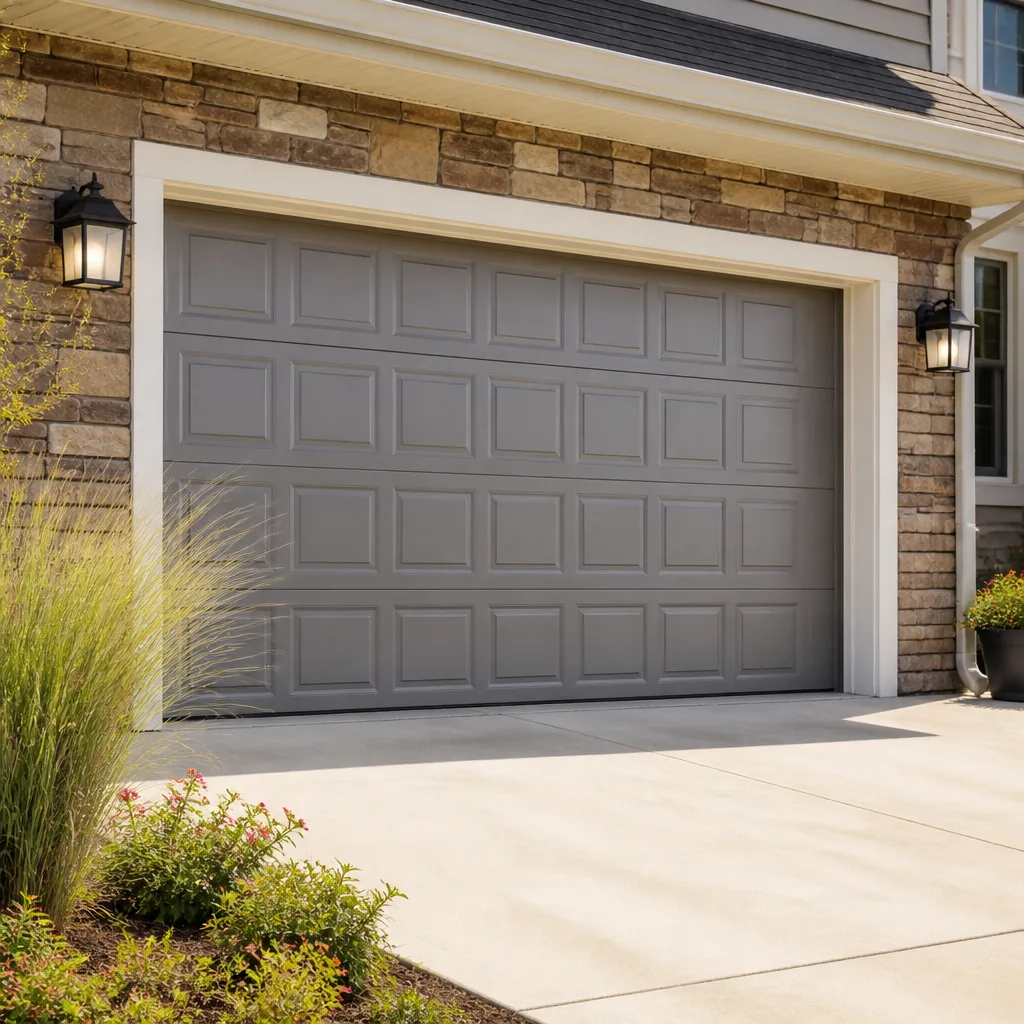 Raised-panel steel
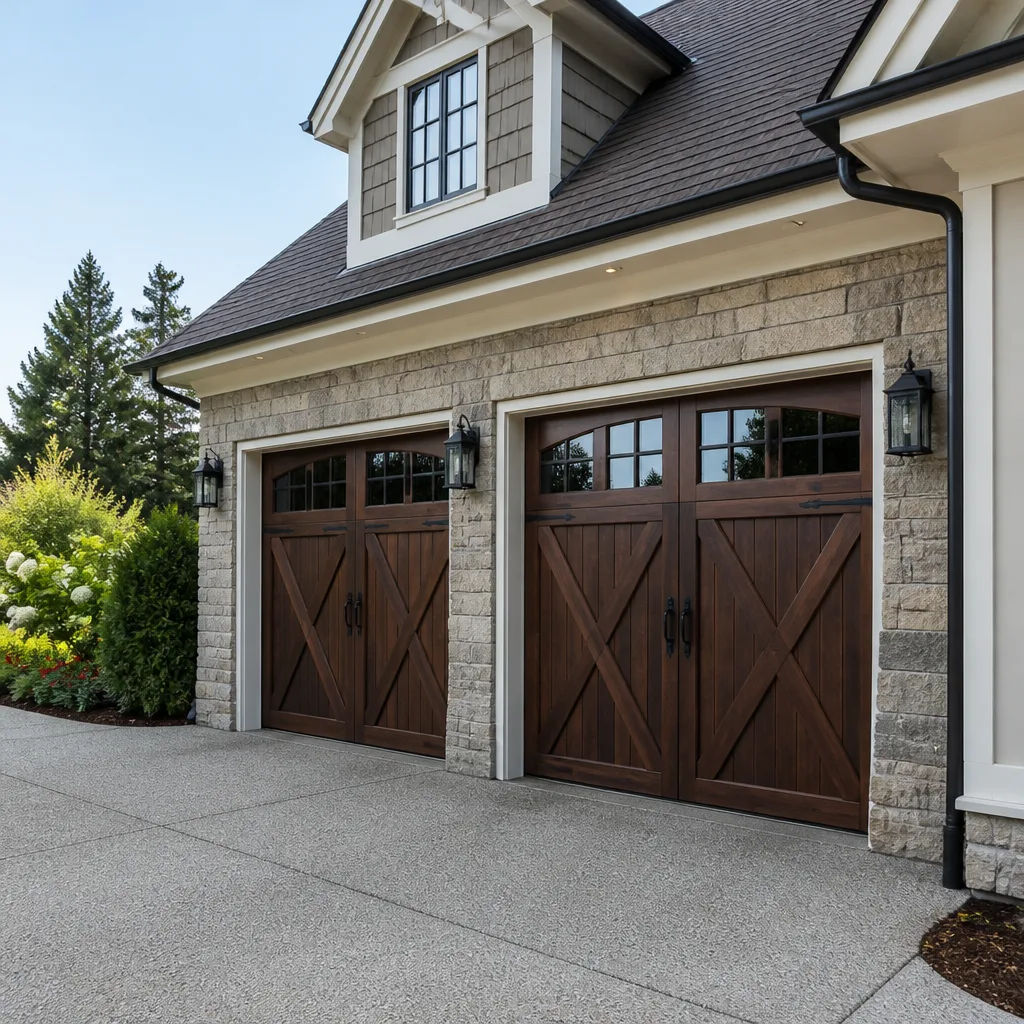 Carriage house
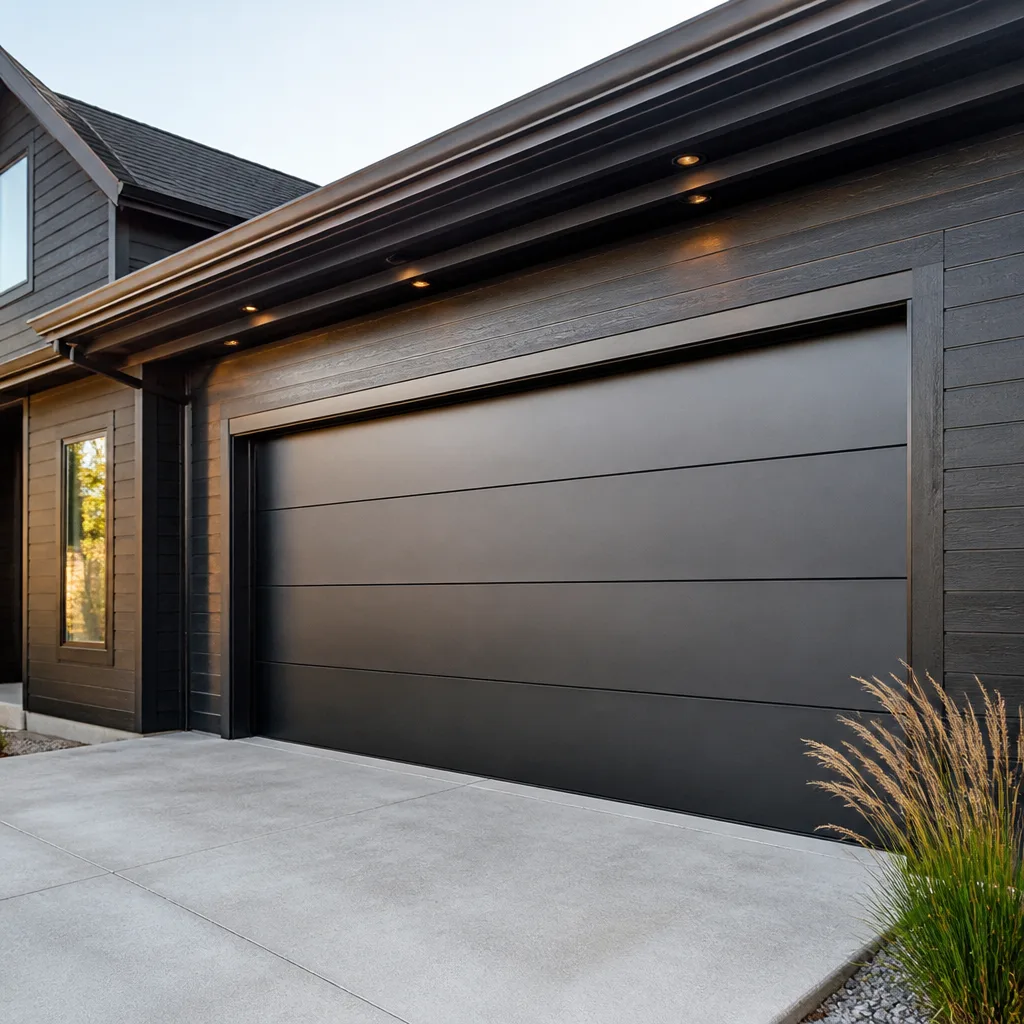 Modern flush
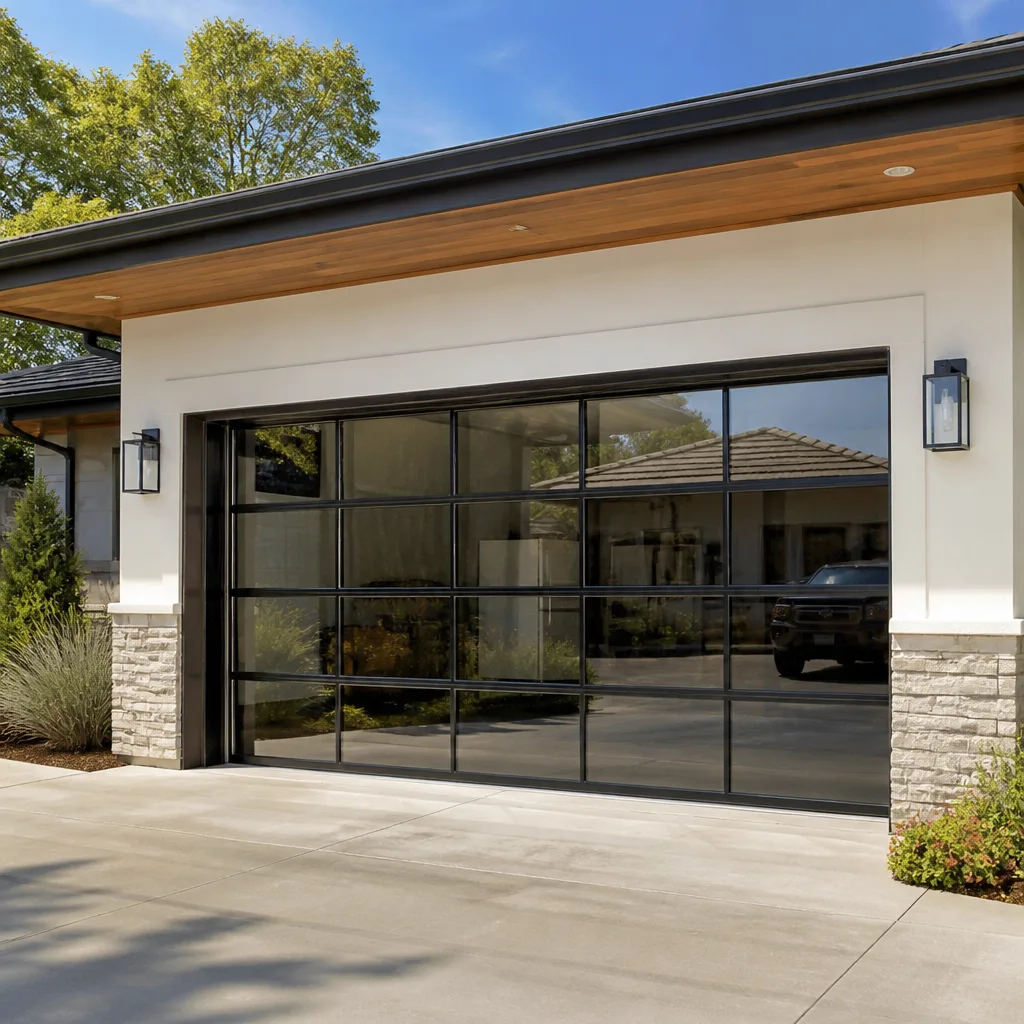 Full-view glass
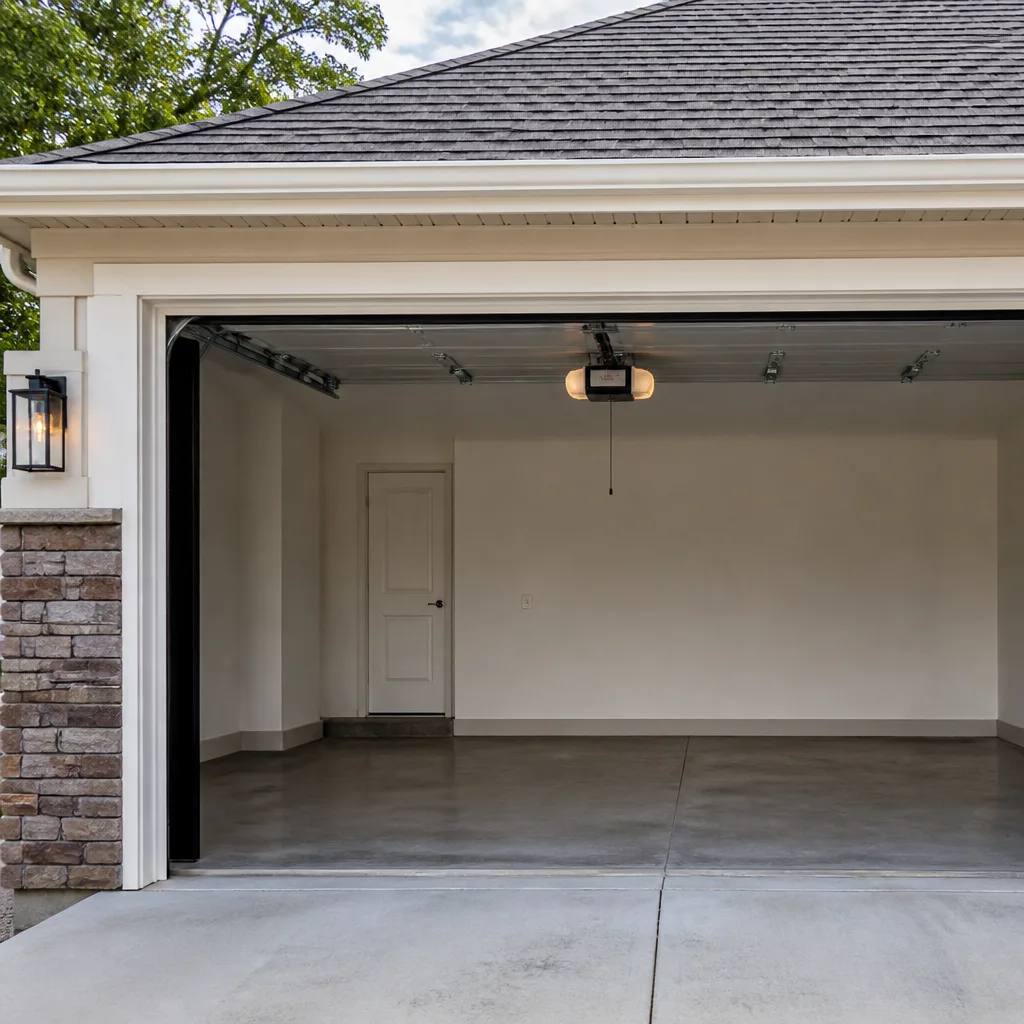 LiftMaster openers
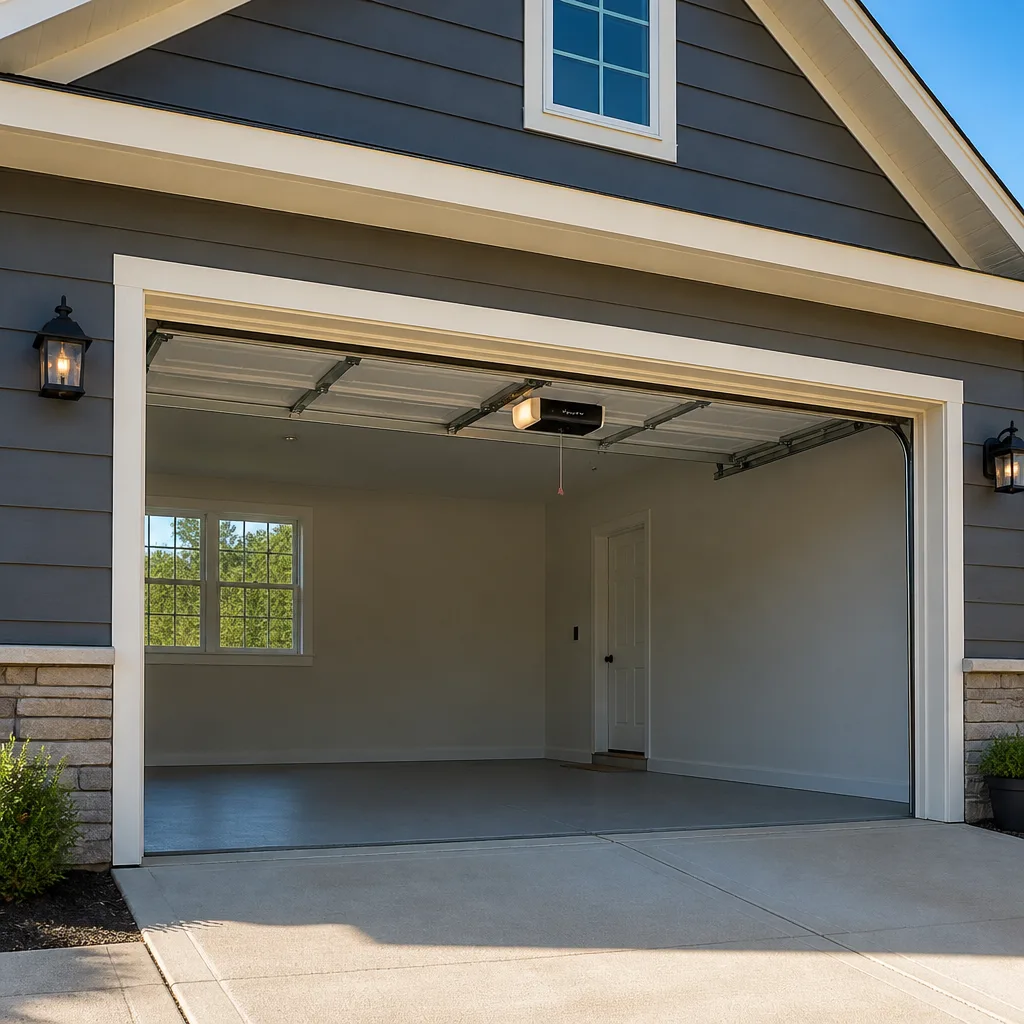 Chamberlain openers
Full 25-point door and opener safety check with every visit - springs, cables, rollers, tracks, and your LiftMaster or Chamberlain opener included
You get a price before we start. It does not change when the pro arrives.
Get your free estimateGarage Door Permits, Codes & Inspections in Montgomery, AL: What You Need to Know
Most homeowners in Montgomery assume one of two things about garage door permits: that every replacement needs one, or that none of them do. The truth sits in a middle ground that depends entirely on the scope of work, and that middle ground is where homeowners get surprised later. A same-size door swap on existing tracks usually looks nothing like a project that changes the opening, the header, or the electrical connection to the opener. This guide walks through when a City of Montgomery building permit applies, how Alabama wind load requirements shape garage door installation, what a code-compliant install actually involves, and the two moments – an insurance claim or a home sale – when undocumented work can cost you real money. If you want straight answers before you sign an estimate, this is the page to read first.
Quick Answer
A City of Montgomery building permit is typically required for garage door work that changes the structure or the opening – enlarging or altering the framed opening, changing the header, or adding electrical for a new opener circuit – while a like-for-like replacement of a door with the same dimensions on existing, sound tracks usually does not need one. Alabama’s wind load requirements for the region affect how the door and its anchoring are installed, and a code-compliant job means proper header support, correctly gauged tracks and hardware, and an opener with working safety reversal. Permit responsibility belongs to whoever is doing the work; if a contractor won’t pull a permit when one is required, that’s your signal to walk away.
Styles & brands we work with
- Raised-panel steel
- Carriage house
- Modern flush
- Full-view glass
- LiftMaster openers
- Chamberlain openers
Table of Contents
- When Is a Garage Door Permit Required in Montgomery, AL?
- Alabama Wind Load Requirements and What They Mean for Your Door
- What a Code-Compliant Garage Door Installation Actually Involves
- Inspections: What Gets Checked and How It Works
- The Two Moments Unpermitted Work Bites You: Insurance Claims and Resale
- Who Pulls the Permit: Contractor, Homeowner, or Both?
- What Do Permits and Code-Driven Repairs Typically Cost in Montgomery?
- Montgomery Conditions That Affect Doors and Code Compliance
When Is a Garage Door Permit Required in Montgomery, AL?
A garage door permit in Montgomery, AL is generally required when the work alters the building’s structure or the door opening itself, and typically not required for a straight swap of a door with the same dimensions onto existing, sound tracks. That line – structural change versus like-for-like – is the whole question. The city’s building department makes the final call, so it’s always worth a phone call to confirm your specific job before work starts, especially if you’re unsure which category you fall into.
Here’s the breakdown we walk homeowners through, and it mirrors how most local building departments think about door work:
Usually requires a permit
- Enlarging or raising the framed opening. A wider or taller door means cutting the header and reframing. That’s structural.
- Changing the header. If a beam needs replacement or reinforcement to carry the new door’s load, the framing is involved.
- Adding a new electrical circuit for an opener. New wiring on its own circuit typically triggers an electrical permit, separate from the building permit.
- Converting a garage into living space or changing use. Door replacement is only part of that project, but a permit is required for the conversion itself.
- New construction. A new home’s garage door installation is covered by the whole-house permit, and the installation still has to meet code.
Usually does not require a permit
- Same-size door replacement onto existing, sound tracks and hardware. Like-for-like is the key phrase.
- Spring replacement. That’s maintenance on the existing system, not a structural change.
- Opener replacement that reuses the existing wiring and the existing outlet.
- Routine repairs to rollers, hinges, cables, or panels on the existing door.
These categories aren’t a substitute for a call to the city. What counts as “like-for-like” can be interpreted differently depending on how the job is described, and a quick conversation with the building department is cheaper than discovering the problem later. When in doubt, ask before the work is scheduled – not after. For a clearer picture of how we separate repairs from replacements, our garage door repair page walks through what’s routine and what’s structural.
Alabama Wind Load Requirements and What They Mean for Your Door
Alabama’s building codes apply wind load requirements to garage doors based on the geographic zone and the building’s design criteria – meaning a door isn’t just a door, it’s part of the building envelope that has to resist wind pressure the code specifies. In Montgomery’s part of Alabama, the wind speeds the code uses for design are lower than what you’d see along the Gulf Coast, but that doesn’t mean garage doors are exempt. It means the requirements are calibrated to the local zone, and a code-compliant installation still has to meet them. Talk to the city’s building department for the specific wind speed and design criteria that apply to your address, because the number matters.
What wind load requirements actually mean in practice comes down to three things:
- The door itself has to be rated for the pressure. Manufacturers publish wind load ratings for their door models. A Clopay or Amarr door rated appropriately for the installation is specified, not guessed. If the door isn’t rated for the design pressure, the install isn’t compliant no matter how clean it looks.
- The tracks, hinges, and rollers have to be rated to match. A door rated for a higher wind load paired with lighter tracks is a weak link. The whole assembly has to be specified together.
- The opening and its anchoring have to be built to hold. The framing, the header, and the attachment of the track to the structure are what transfers wind pressure from the door into the building.
For newer construction, this is where code compliance gets stricter. Homes built to more recent editions of the building code are held to design criteria that older homes weren’t, and a garage door replacement has to meet the requirements in effect for the home’s construction – not the ones from when a previous door was installed. That distinction trips people up. If you’re not sure what code edition applies to your home, ask the city. The answer determines which doors, tracks, and anchors are acceptable, and it directly affects how you’ll be treated at claim or sale time.
Why this matters for a Montgomery door replacement
A door replacement in Montgomery is usually simple on the surface – same size, new door, same hole. But if the original door was installed decades ago to criteria that no longer apply, putting a newer, heavier door into the same tracks with the same anchors may not meet current requirements even though the dimensions match. Compliance is about the whole assembly and the structure around it, not just the panel. That’s why a proper replacement starts with measuring the opening, inspecting the framing, and confirming the door’s rating before anyone quotes a price. If your home was built to newer standards, the door selection process is a spec exercise, not a style exercise.
What a Code-Compliant Garage Door Installation Actually Involves
A code-compliant garage door installation in Montgomery involves more than hanging a door in the opening: it means proper header and framing support for the door’s weight and wind load, correctly gauged tracks and hardware rated for the door’s size and pressure, and an opener with a working safety reversal system tested at the door. Everything downstream – the inspections, the insurance claim, the resale – depends on those three things being right from the start. Skipping one is what turns a clean install into a paperwork problem two years later.
1. Header and opening support
The header is the beam across the top of the garage opening that carries the load of the wall above it and the door’s hardware. During a replacement, we check that the header is sound, sized correctly, and undamaged. A sagging or undersized header needs to be corrected – and that correction is structural work that triggers a permit. On a like-for-like replacement with a solid header, this step is usually a visual inspection and confirmation.
2. Track gauge and hardware
Tracks come in different gauges, and a heavier door or a higher wind load rating requires heavier tracks. In a proper install, the track gauge, the hinge rating, and the anchor method all match the door’s specifications. Lighter tracks on a heavier door aren’t a handling problem – they’re a compliance problem, and in real terms they’re a safety problem. If a door replacement is being quoted without any discussion of what tracks will go back on, ask about it. A thorough installer will have an answer.
3. Opener safety reversal
Every residential garage door opener installed today is required to have a safety reversal system that stops and reverses when it detects an obstruction. That means the photo-eye sensors near the floor and the opener’s built-in travel force limit, both working together. After any install or opener replacement, the reversal has to be tested and confirmed. This isn’t optional or a “nice to have” – it’s the single most important safety feature of the entire system, and it’s what protects kids, pets, and vehicles. If you take one thing from this guide, make it this: ask that the reversal be tested in your presence after every install.
4. Electrical connection
An opener wired to an existing outlet is one thing. A new circuit or a new outlet for the opener is electrical work that requires a permit in most jurisdictions. If your replacement includes new wiring, that’s a separate permit from the building permit and may involve additional inspection.
5. Documentation
The last piece of a compliant install is paperwork. Keep the permit, the inspection sign-off, the door’s wind load documentation, and the opener’s model information. This is the file you’ll want in your hand if you ever claim storm damage or sell the house. Store it with your closing documents so it doesn’t get lost.
Inspections: What Gets Checked and How It Works
An inspection on a permitted garage door installation checks that the work as installed matches the permitted scope and meets the code criteria for your address – the framing, the door and hardware ratings, the anchoring, and typically the opener’s safety features. The inspector isn’t there to admire the door; they’re confirming that the assembly matches what was approved and what the code requires. The process is straightforward if the work was done right.
In practice, the inspection sequence usually looks like this:
- Permit pulled before work starts. Inspections are triggered by the permit, not the other way around. If a permit was never pulled, there’s no inspection to schedule – and that’s where the resale and insurance problems begin.
- Rough-in inspection, if applicable. For work that involves framing or electrical, an inspector may check the framing or wiring before the door goes up. For a simple replacement, this step is often not required.
- Final inspection. The completed install is checked against the permitted scope. The door operates, the track is secured, the opener’s reversal works, and the ratings match.
- Sign-off and records. The permit is closed and the inspection is documented. That record is what you keep.
How long the process takes depends on the city’s scheduling, the scope, and whether any corrections are needed. We can’t tell you what any specific job will take – that’s a question for the building department – but we can tell you that correction requests are almost always about documentation or a single missed detail, not a full redo. The best way to avoid corrections is to have the permit pulled correctly and the scope accurately described from the start, which is exactly the kind of thing a dedicated door specialist handles without being asked.
The Two Moments Unpermitted Work Bites You: Insurance Claims and Resale
Unpermitted garage door work causes problems at exactly two moments in a homeowner’s life: when an insurance adjuster reviews a storm or wind damage claim, and when a buyer’s inspector reviews the property during a sale. Those are the two moments where the missing permit becomes real money instead of a theoretical concern. Every other day of your ownership, the missing paperwork sits quietly in a file drawer. Then one of those two things happens, and it matters.
Moment one: the insurance claim
An adjuster reviewing a wind damage claim on a garage door is going to ask whether the installation was code-compliant. If the door was replaced without a permit where one was required, or installed with lighter hardware than the wind load rating calls for, the adjuster may treat the damage as an installation problem rather than a covered event. A claim being denied on the basis of code compliance is a real thing that happens to real homeowners. It doesn’t happen on every claim, and it doesn’t happen automatically – but when it does, the cost of a replacement comes entirely out of pocket, and it’s not a small number. The permit and inspection record is what you produce to show the install was done right. Without it, you’re relying on the adjuster’s discretion instead of your documentation.
Moment two: the resale
During a sale, a buyer’s home inspector flags unpermitted work with reasonable frequency. A garage door installation is one of the easier things to check – the door’s rating label, the serial number on the opener, the anchor method, and the door’s match to the original construction. When a flag comes up, the seller’s choices are usually unattractive: pull a permit retroactively and go through the inspection process on a sale timeline, take a hit on the negotiated price, or lose a buyer. A missing permit on a garage door installation can stall a closing or cost more than the door itself. It’s a strange thing to lose sleep over, but people do.
Both of these moments are avoidable with a short conversation before the work starts. The question to ask any installer is simple: “Does this job require a permit, and are you pulling it?” If the answer is vague, that’s your answer. If you’re not sure whether your existing installation was permitted, the time to find out is now, not during a claim or a sale. For repair work specifically, our garage door repair team can look at the existing installation and tell you what they see.
Who Pulls the Permit: Contractor, Homeowner, or Both?
The person or company performing the work is normally the one who pulls the permit, and a reputable contractor expects to do this themselves when the scope requires it. Homeowners can usually pull their own permits for work they do themselves, but for a garage door installation that involves framing or electrical, most homeowners hire it out and expect the contractor to handle the paperwork. The permit is part of the job, not a separate favor.
Here’s what the responsibility split usually looks like:
- Contractor pulls when they’re doing the work. A general contractor or door specialist doing the install is normally the permit applicant. They file the paperwork, schedule the inspection, and close the permit.
- Homeowner pulls when doing it themselves. If you’re installing your own door, you can generally pull the permit in your own name. The inspection and compliance responsibility are yours.
- Both can be involved in some cases. Some jurisdictions allow the homeowner to pull the permit and the contractor to do the work, but the homeowner holds the record. This varies, so ask the building department.
- Nobody pulls it when the scope is misjudged. This is where the trouble starts. Either the installer didn’t think a permit was required, or they told the homeowner it wasn’t to keep the price down.
What happens if no one pulls the permit and one was required? The homeowner usually finds out at one of the moments from the previous section, and the correction path is more expensive than doing it right the first time. Depending on the city, you may be able to pull a permit retroactively and schedule an inspection, but the process is slower, and some corrections are required that wouldn’t have been needed in the original scope. When the homeowner is the one holding the permit, the liability sits with them. That’s why it’s better to have the contractor pull it: the responsibility and the paperwork travel together.
Our technicians have up to 8 years of experience, and we’ve seen what it looks like when the permit question gets skipped. If a contractor you’re talking to seems unsure about whether your job needs a permit, ask them to check with the city. Any good installer is comfortable making that call.
What Do Permits and Code-Driven Repairs Typically Cost in Montgomery?
Permit fees are set by the city, and a garage door permit in Montgomery typically runs in a modest range – well under the cost of the door itself. Labor and installation for the door is where the real money sits, and the permit is a small line on a much larger invoice. What surprises people instead is the cost of correcting work that wasn’t done to code, which is where the difference between a permitted and unpermitted install really shows up.
Here are typical ranges we see for the door side of the work in the Montgomery market. These are estimates, and the written estimate you receive is what sets the final price:
- Single-car door replacement (standard, like-for-like): roughly $450 to $900 in labor and installation cost, separate from the door itself.
- Two-car door replacement (standard, like-for-like): roughly $600 to $1,200 in labor and installation cost, separate from the door itself.
- Torsion spring replacement, single spring: roughly $150 to $300. A matched pair is usually replaced together and costs about twice that.
- Opener replacement with existing wiring: roughly $150 to $350 in labor, separate from the opener.
- Opener repair: roughly $100 to $250, depending on the fault.
- Permit fee: typically modest, set by the city, and varies by job scope. Ask the building department for the applicable fee.
These ranges are typical estimates, not a quote. The written estimate you get after an on-site look sets the final price, and we don’t start work without one. The point of the permit is protection, not revenue – the fee is small compared to the cost of a claim being denied or a buyer walking away. For more on how we scope repair and replacement separately, see our garage door repair and garage door opener repair pages.
Montgomery Conditions That Affect Doors and Code Compliance
Montgomery’s summer heat, seasonal thunderstorms, and red-clay soil are the three local conditions that shape how garage doors and openers hold up – and they’re also the reasons why code-compliant installation matters here. Heat stresses the springs and the opener’s motor. Thunderstorms drive wind and rain against the door. The soil under a garage slab and driveway moves with the seasons, and that movement affects the anchoring and the track alignment over time. None of these are dramatic, but all of them are real, and they add up.
What that looks like in practice:
- Heat and spring life. Garage springs are rated by cycle count, and higher ambient temperatures accelerate wear on the metal. Doors on west- and south-facing garages in Montgomery tend to go through springs faster than doors in milder climates. That’s a maintenance fact, not a permit fact, but it’s worth knowing if you’re budgeting.
- Storm-driven wind. A thunderstorm that produces strong wind against the door is the exact event the wind load requirement exists to address. A door installed to spec with properly rated tracks and anchors is what holds up under that pressure. A door installed without attention to the rating is the one that suffers.
- Soil movement and track drift. The red clay under Montgomery yards expands and contracts with wet and dry cycles. Over years, that can shift the driveway slab and, in turn, the door’s track alignment. A door that was compliant on day one can drift out of alignment, and the opener has to work harder as a result. Periodic adjustments are normal here.
- Humidity and the opener. The humidity in a Montgomery summer is hard on the opener’s logic board and the photo-eye sensors in an unconditioned garage. Opener failures often cluster in the hot months. A properly grounded and correctly wired installation helps, and a quality opener (LiftMaster and Chamberlain both make robust units) tends to hold up better. If your opener is starting to behave oddly, our garage door opener repair team can diagnose it.
The connection between these local conditions and permits is this: a code-compliant installation is what holds up when the local conditions test it. The permit, inspection, and documentation are the trail that shows an adjuster or a buyer that the door was installed to the standard the code requires. That’s the line the entire guide comes back to.
Common Mistakes to Avoid
- Assuming a like-for-like replacement never needs a permit. It usually doesn’t, but if the framing, header, or electrical is touched, the scope has changed. Ask the city before signing.
- Assuming every replacement needs a permit. The opposite mistake costs money and time for no reason. A same-size door on sound tracks is normally routine.
- Letting the installer skip the permit to keep the price down. The savings on the front end disappear at claim or sale time, and it’s rarely a fair trade.
- Not asking who’s pulling the permit. The answer should be “the contractor, when the scope requires it.” If it’s vague, that’s the signal to ask questions.
- Failing to keep the inspection record. The permit and sign-off are what you’d produce at claim or sale time. Store them with closing documents, not in a drawer you’ll forget.
- Ignoring wind load ratings when choosing a door. A Clopay or Amarr door that looks right isn’t necessarily rated for your installation. Match the rating to the requirement for your address.
- Skipping the safety reversal test after an install. Test it in your presence, every time. It’s the single most important safety check on the system, and it takes a minute.
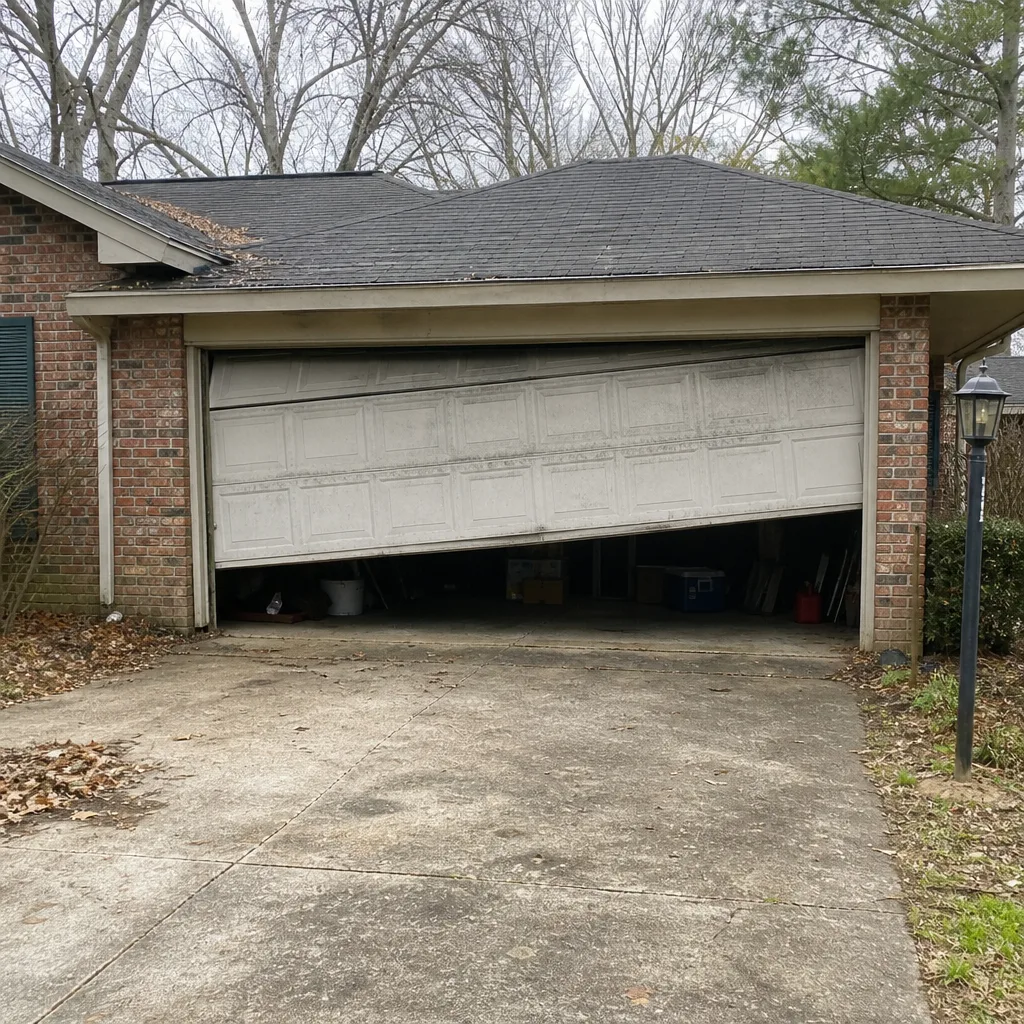
See the difference
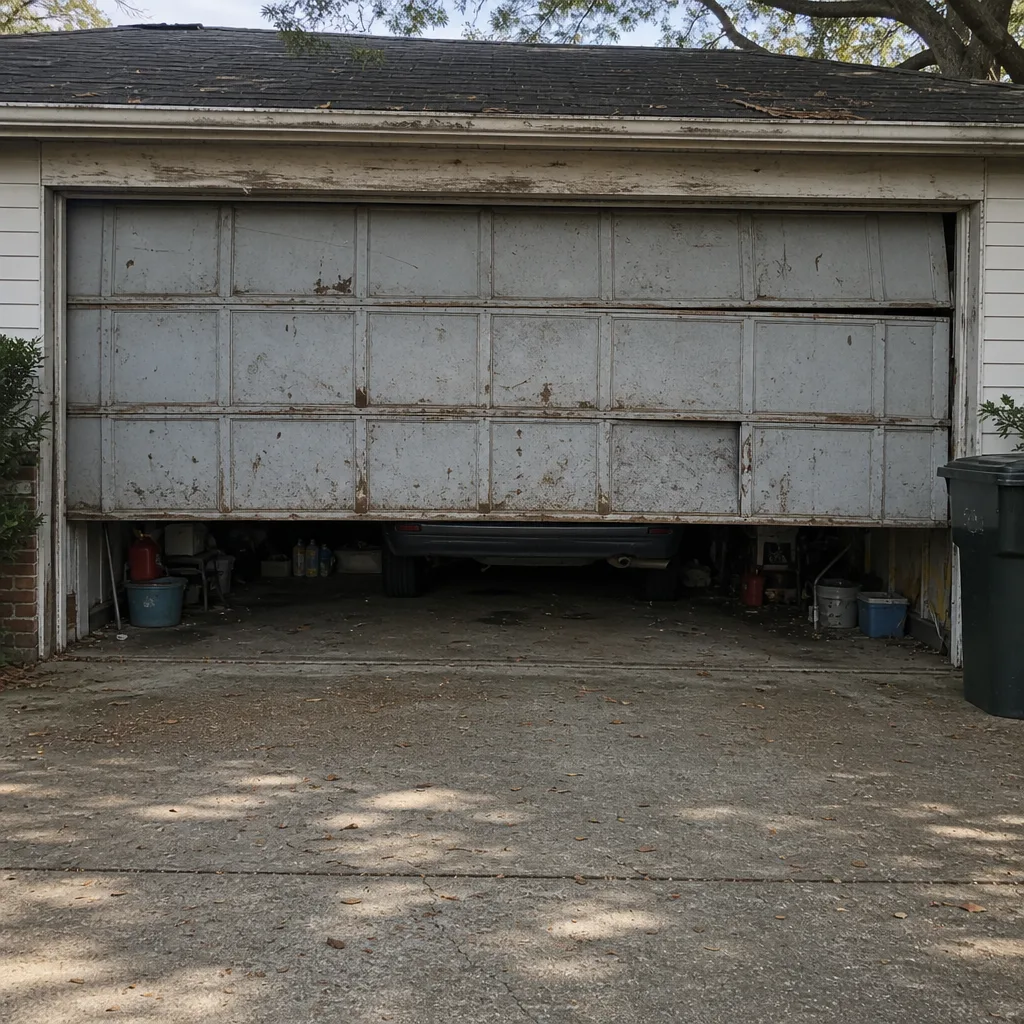 Before
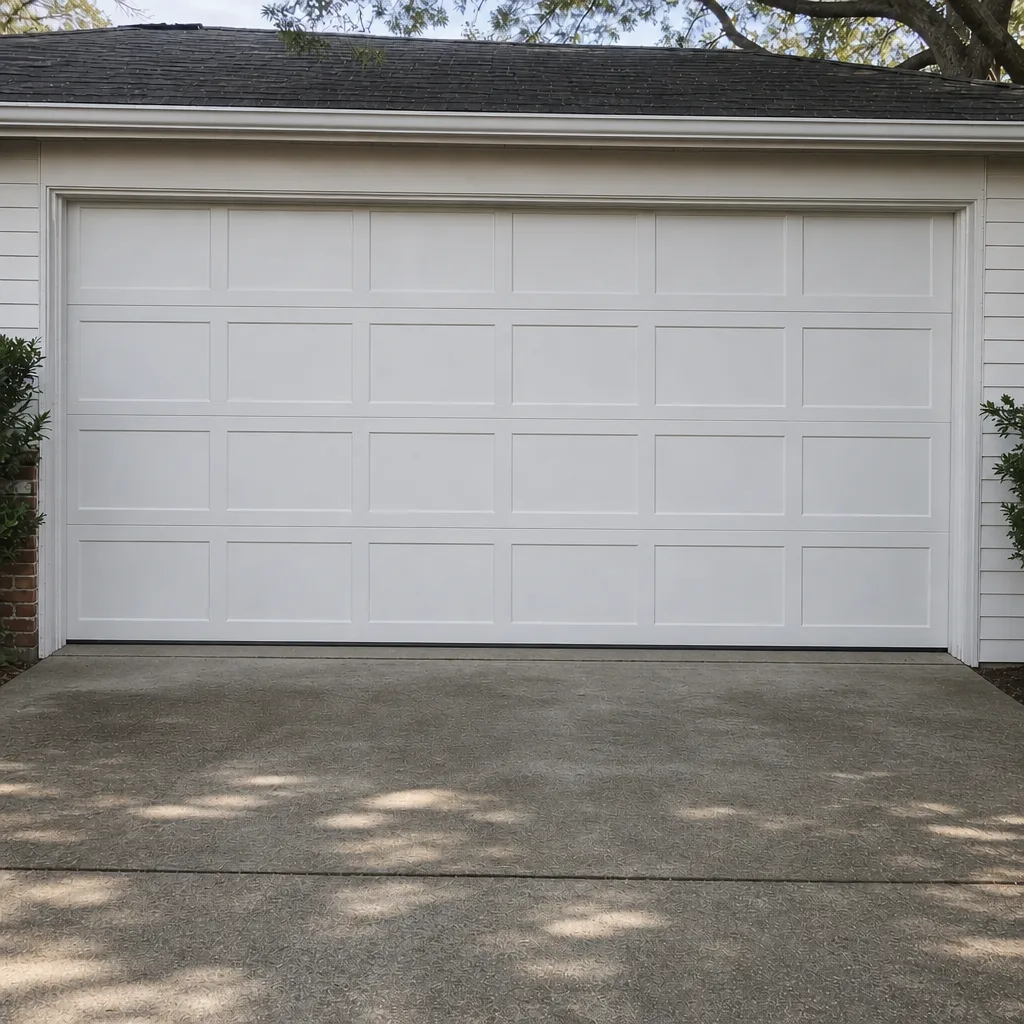 After
 Before
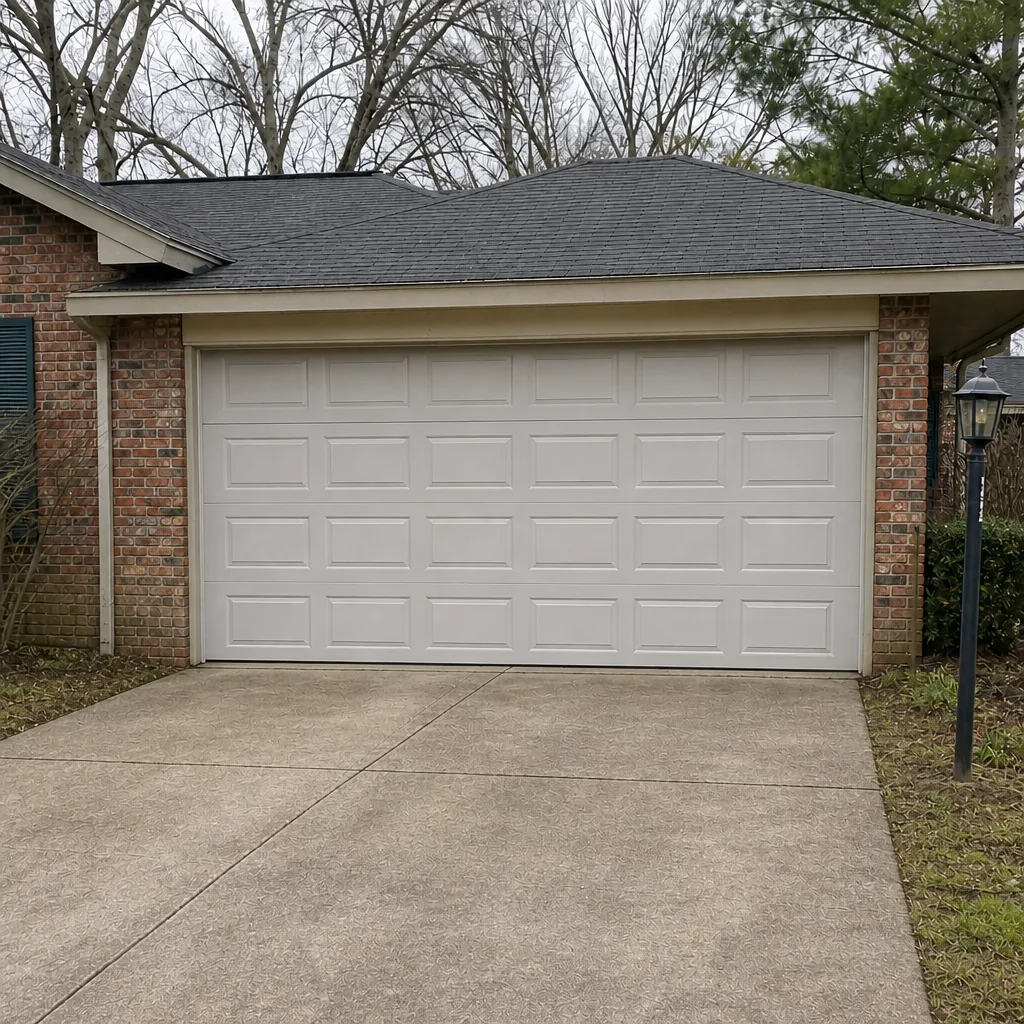 After
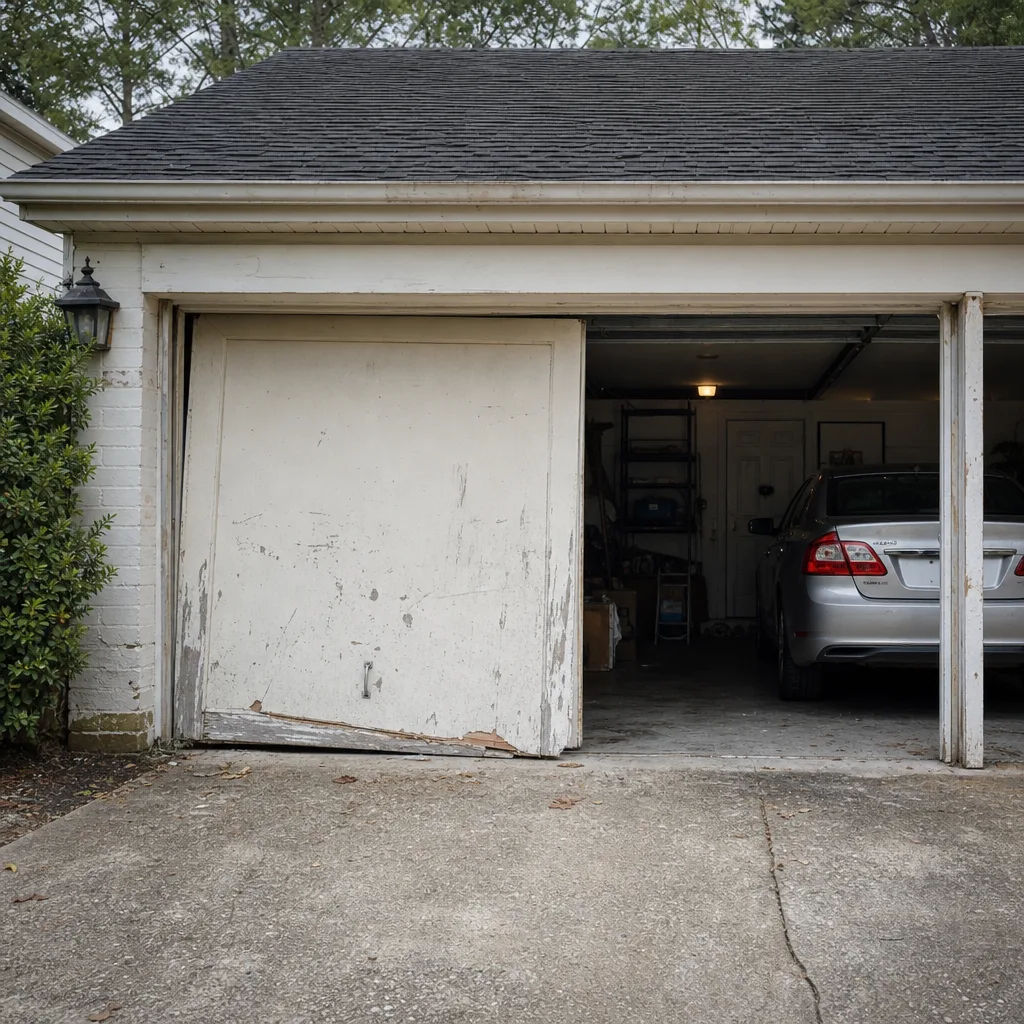 Before
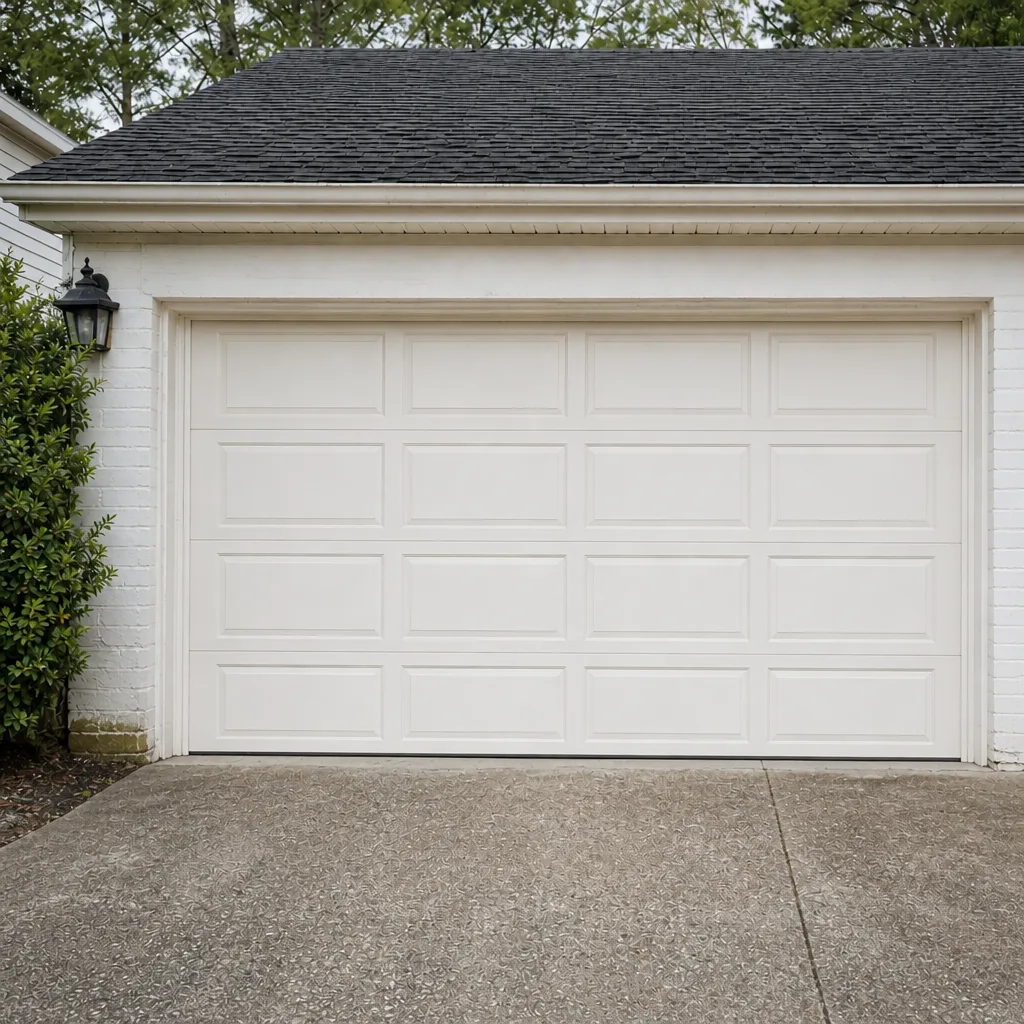 After
When to Call a Professional
Call a professional when your project involves changing the opening or the header, when you’re replacing an opener with new electrical work, when the existing tracks or springs are visibly worn, or when you’re unsure whether your job needs a permit and would rather not guess. Call also when the door is off its track, a spring has broken, or the opener is doing something it didn’t used to do – those are safety calls, not project calls, and they need an experienced eye. Lakeside Garage Door Service offers free estimates in Montgomery – call (888) 688-3641. We answer 24/7. Fast dispatch from 7am to 7pm, Sunday through Friday. If you’d like the full picture of what we do, our Lakeside Garage Door Service page covers it, and our garage door repair page goes deeper on the day-to-day side.
Frequently Asked Questions
A like-for-like replacement – same dimensions onto existing, sound tracks – usually doesn’t require a permit, while work that changes the framed opening, header, or electrical does. The city’s building department makes the final call for your specific job, so a short phone call before work starts is the safest way to confirm.
In most jurisdictions, yes, a homeowner can pull their own permit for work they’re doing themselves. When a contractor is doing the work, they typically pull the permit. Which party files varies by city, so ask the building department when you call.
A wind load rating is the pressure a door is designed to withstand, set by engineering criteria tied to your location. Alabama’s code applies these by geographic zone, and a Montgomery installation still has to meet the local criteria. The building department can tell you the design value that applies to your address.
Most commonly, nothing surfaces until an insurance claim or a home sale, and that’s when the missing permit becomes a problem. Depending on the city, a permit can sometimes be pulled retroactively with an inspection, but the process is slower and corrections may be required.
It can. An adjuster reviewing wind or storm damage will look at whether the installation was code-compliant, and a missing permit weakens your position. It doesn’t happen on every claim, but it’s a risk that a permit and inspection record eliminates.
Usually not if the opener is plugged into an existing outlet or connected to existing wiring. New wiring or a new circuit typically requires an electrical permit. If you’re unsure, ask the building department before the work.
Timelines depend on the city’s scheduling, the scope of work, and whether corrections come up. The building department can tell you their current turnaround. A correctly described scope on the permit application is the best way to avoid delays.
Yes. Lakeside Garage Door Service works with state-licensed, insured technicians, and our technicians have up to 8 years of experience. When a permit is required, we handle the paperwork as part of the job. Call (888) 688-3641 for an exact quote – estimates are free.
The Bottom Line
The garage door permit question in Montgomery, AL comes down to whether the work is a structural change or a like-for-like replacement. Structural changes, header work, new electrical, and new construction normally need a permit and inspection. Routine replacements onto sound existing tracks usually don’t. Alabama wind load requirements and the code edition that applies to your home’s construction shape what makes an installation compliant, and compliance is what protects you at claim time and sale time. The permit is a small line on a bigger invoice, but the record it creates is what matters. If you’re not sure where your job falls, call the city’s building department – and if you want an installer who expects to handle the permitting as part of the work, call us. We work on the brand already on your home, whether that’s a Chamberlain opener, a Genie unit, a Clopay or Amarr door, and we’ll tell you straight what your project needs. For homeowners across Montgomery, that’s the standard we hold ourselves to. Call (888) 688-3641 for a free estimate. We answer 24/7. Fast dispatch from 7am to 7pm, Sunday through Friday.
Written by the team at Lakeside Garage Door Service.