
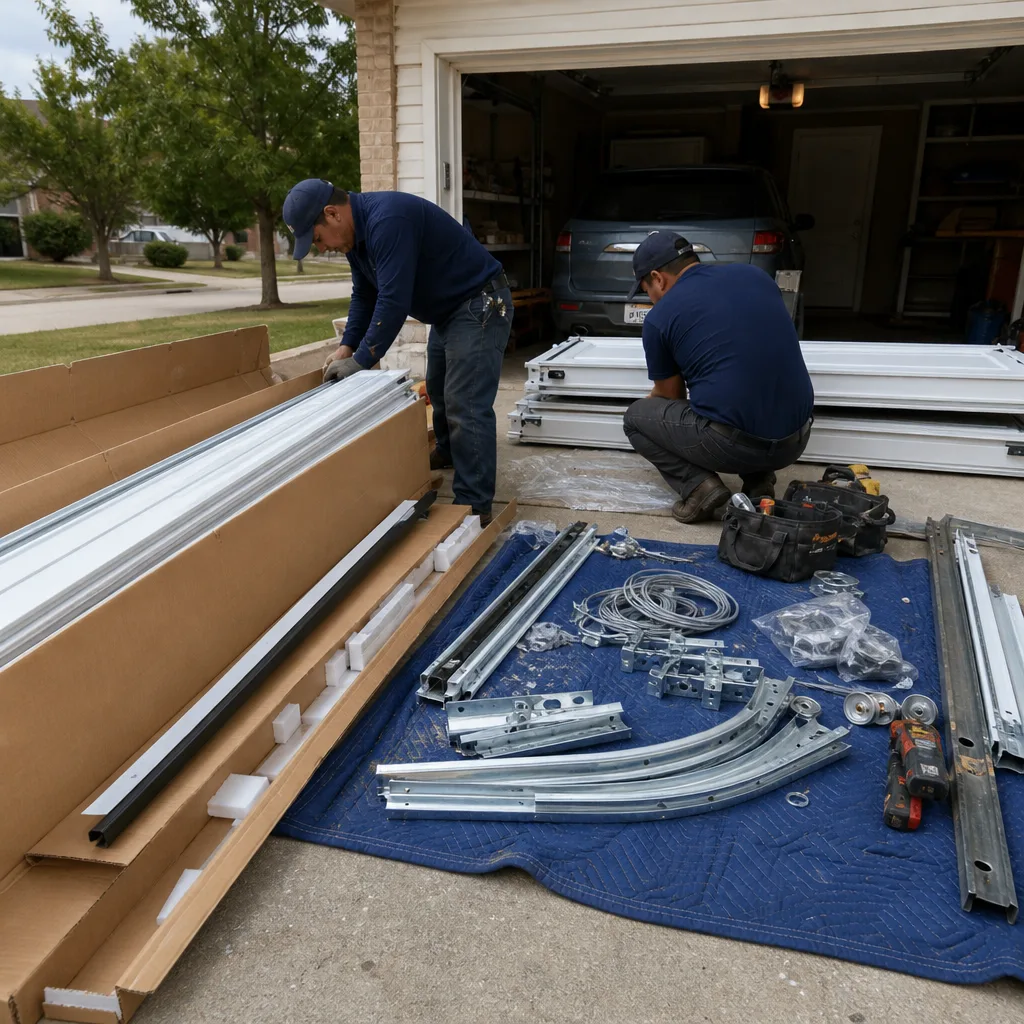
Last updated November 15, 2026
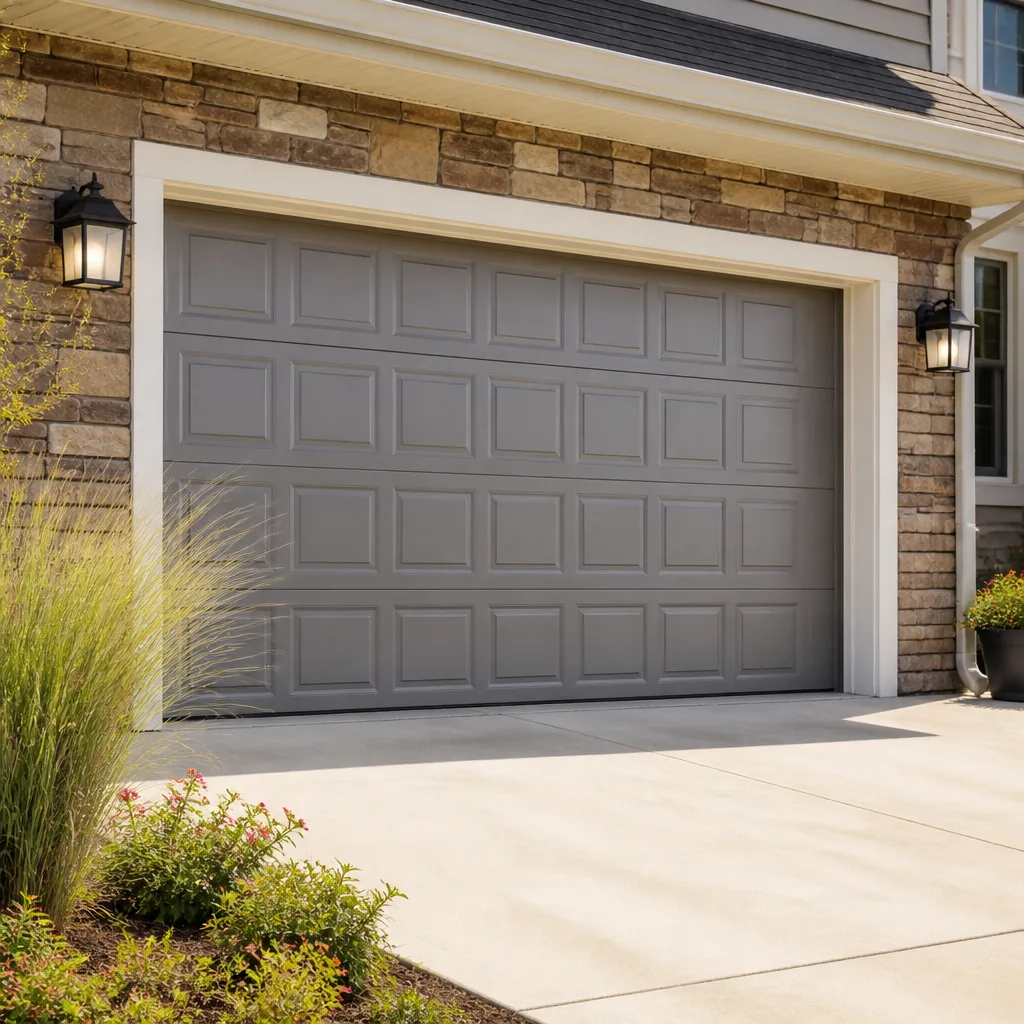 Raised-panel steel
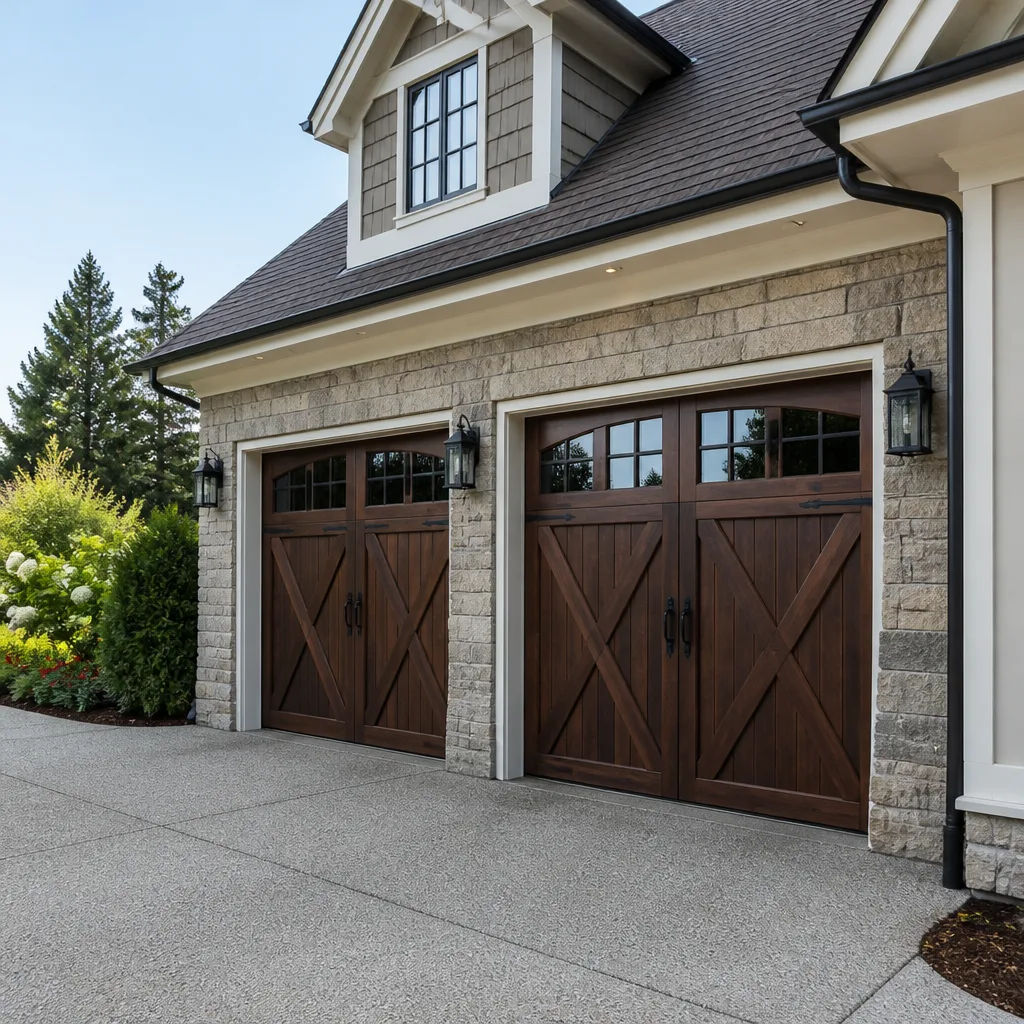 Carriage house
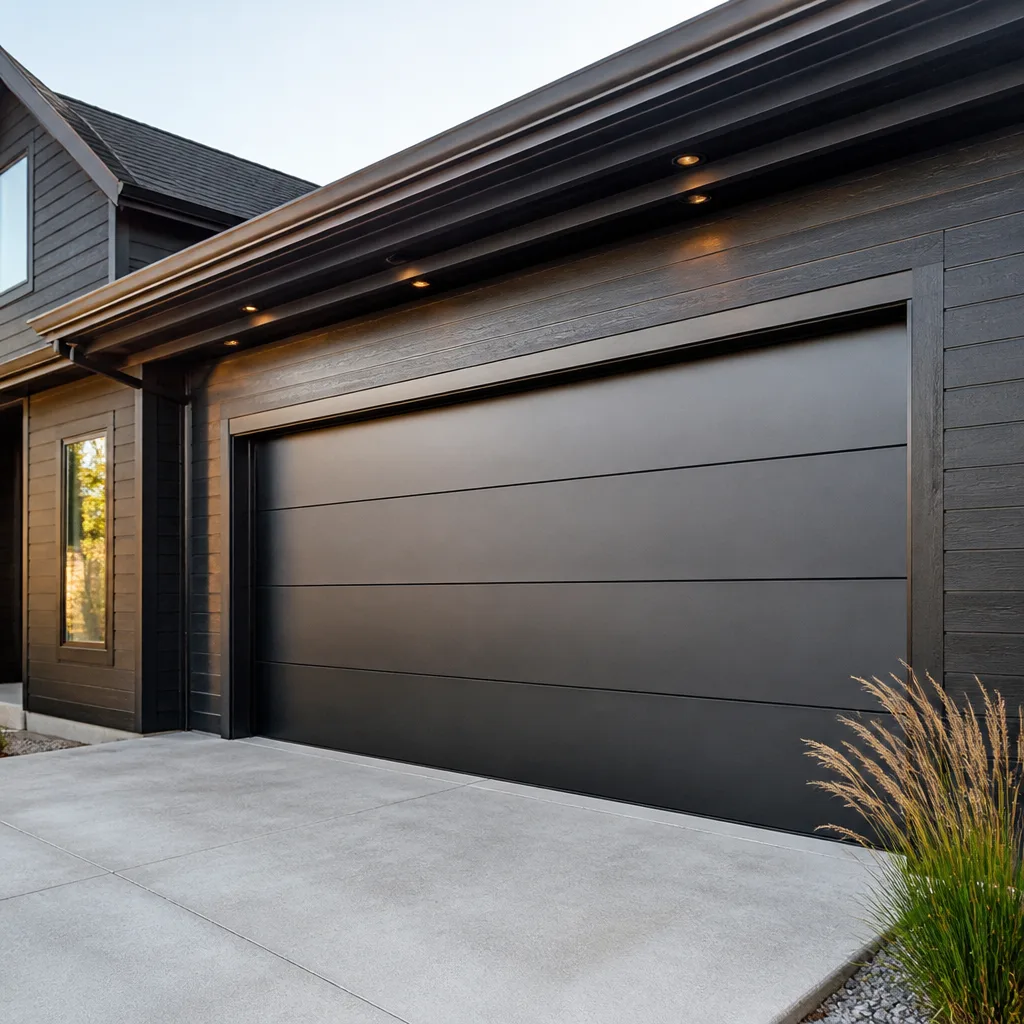 Modern flush
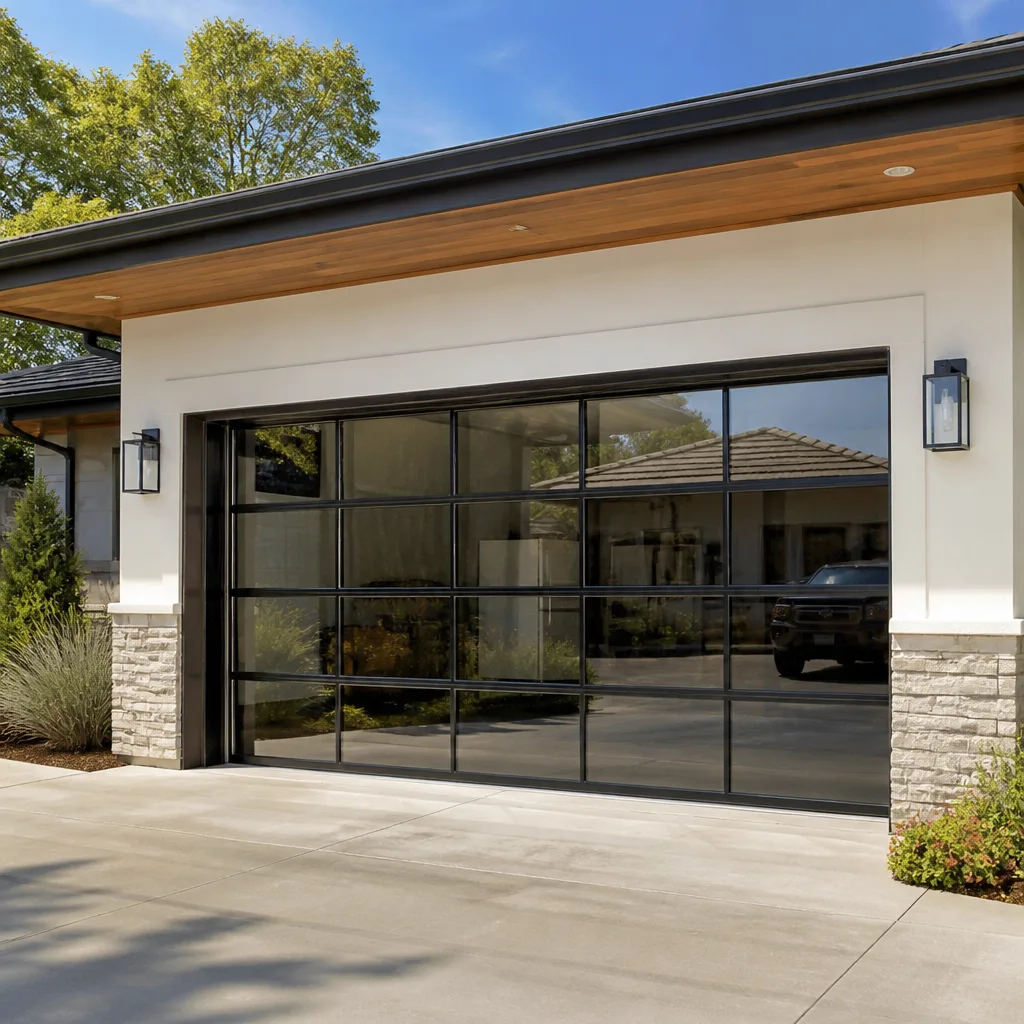 Full-view glass
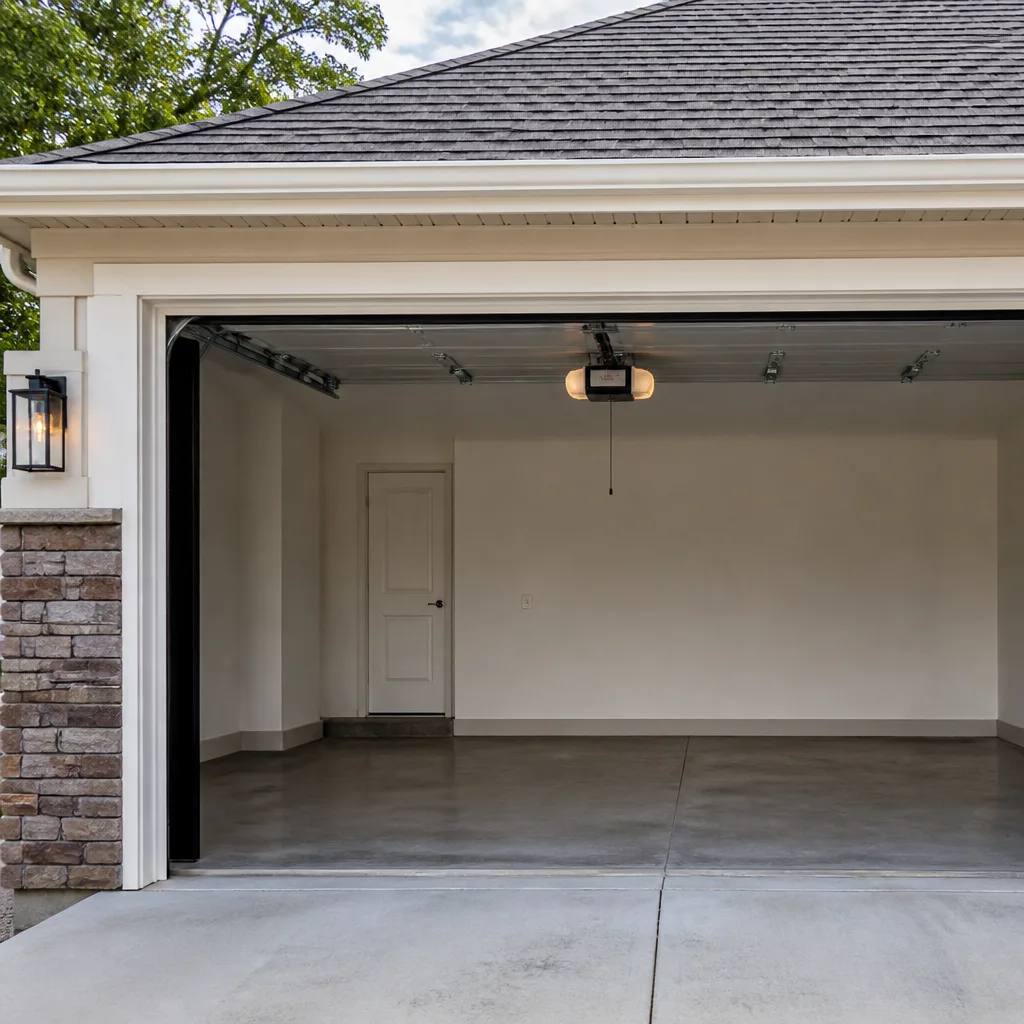 LiftMaster openers
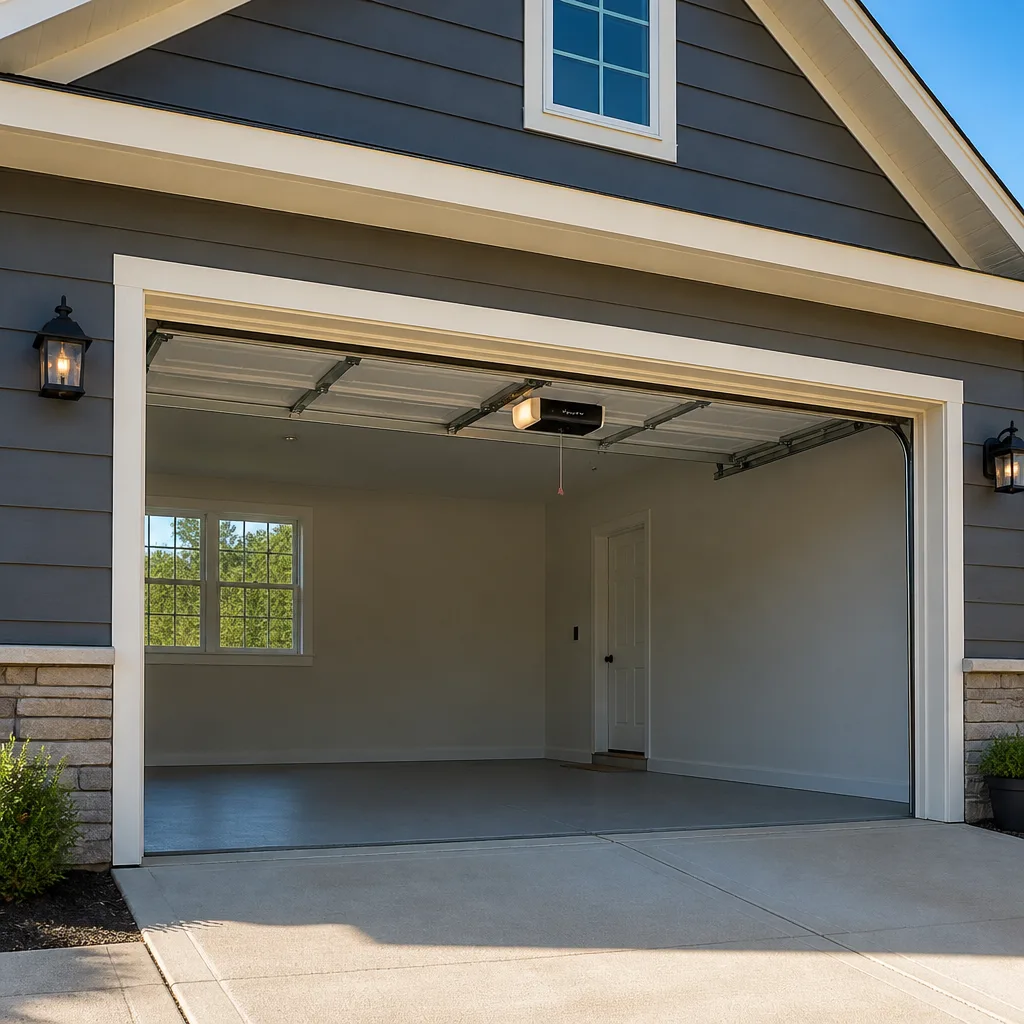 Chamberlain openers
Full 25-point door and opener safety check with every visit - springs, cables, rollers, tracks, and your LiftMaster or Chamberlain opener included
You get a price before we start. It does not change when the pro arrives.
Get your free estimateGarage Door Repair Maintenance Schedule: What to Do and When
A lot of homeowners treat garage door maintenance like a monthly chore, and that’s the first mistake. Lubricating every hinge and roller on the first of every month usually just attracts dust and grit that wear the parts down faster. The better approach follows the seasons. Montgomery runs hot and humid for much of the year, then swings cold in winter, then gets hammered by spring and summer storms. Each of those shifts stresses a different part of the door. We’re going to walk you through a maintenance calendar built around that rhythm, the exact products to use on each component, and the ten-minute tests that catch most failures before they strand your car.
Quick Answer
A garage door needs four scheduled maintenance checkpoints a year, timed to Montgomery’s seasons: a light spring check, a pre-summer humidity inspection, a post-summer storm and heat review, and a cold-snap tune-up. Between those checkpoints, you should run a ten-minute balance test and visual cable inspection every few months and lubricate the right components with the right product two to three times a year. Anything involving springs, cables, or the opener’s internal gearing belongs to a trained technician.
Styles & brands we work with
- Raised-panel steel
- Carriage house
- Modern flush
- Full-view glass
- LiftMaster openers
- Chamberlain openers
Table of Contents
- Why Timing Matters More Than Frequency
- The Montgomery Maintenance Calendar, Month by Month
- Which Lubricant Goes Where (and What Never to Use)
- The 10-Minute Balance Test and Cable Inspection
- What You Can Do Yourself vs. What a Pro Should Handle
- Post-Storm Checks After a Montgomery Thunderstorm
- How to Log Maintenance for Your Home’s Service History
- Matching Maintenance to Your Door’s Brand
Why Timing Matters More Than Frequency
Garage door hardware responds to temperature and humidity far more than most people realize. Steel panels expand in the summer heat and contract when the temperature drops, which changes how the door sits in its tracks. Wood and composite components absorb moisture when the air is thick and dry out when it isn’t. Springs, which are under constant tension, lose a bit of lift as the metal fatigues, and the effect is more noticeable in cold weather.
That means a maintenance task done at the wrong time can be wasted effort or even counterproductive. Lubricating a spring in the middle of an Alabama August is mostly a lesson in watching oil drip onto the driveway. Waiting until the first cool, dry stretch in the fall means the lubricant stays where you put it and does its job through the cold months when the metal is most stressed. The same logic applies to checking weather seals, which need to be inspected before the rainy season rather than after water is already pooling under the door.
Homeowners in Montgomery who follow this calendar often find their doors run quieter and need fewer repairs over the long haul. It’s not magic. It’s just matching the work to the conditions the hardware actually faces.
The Montgomery Maintenance Calendar, Month by Month
Here’s the schedule we recommend for the Montgomery climate. Treat it as a guide, not a rigid rule, and adjust if you’ve just had a stretch of unusually hot or stormy weather.
Late Winter (February to early March)
- Run the balance test and cable inspection (details below)
- Check the weather seal along the bottom of the door for cracking or gaps
- Look at the hinges and rollers for loose screws or visible wear
- Test the safety reverse feature by placing an object in the door’s path
Spring (March to May)
- Lightly lubricate hinges, rollers, and the torsion bar bearings
- Wipe down the tracks and check for debris or bent sections
- Inspect the door panels for rust spots or paint flaking, common after a wet winter
- Listen for grinding or squealing during operation and note when it happens
Pre-Summer (May to June)
- Check the opener’s force settings and travel limits
- Inspect the seal again before the summer storm season
- Clear anything that has accumulated in the tracks over spring
- Look at the springs for visible gaps, rust, or sagging
Post-Summer (September to October)
- Full visual inspection after the heat and storm season
- Lubricate springs and torsion hardware once the humidity drops
- Check the photo-eye sensors and clean the lenses
- Re-test the auto-reverse feature
First Cold Snap (November to December)
- Lubricate hinges, rollers, and springs before the temperature drops further
- Listen for new noises that appear in cold weather
- Check for daylight visible around the door’s edges, a sign of seal gaps
- Test the opener’s remote range and replace batteries if needed
This schedule fills the gaps and keeps the door working through all four seasons in Montgomery.
Which Lubricant Goes Where (and What Never to Use)
This is where most homeowners get into trouble. The wrong product on the wrong component can attract grit, gum up the mechanism, or worse, hide a problem that needs professional attention. Here’s what we recommend, and what to avoid.
| Component | Recommended Product | Avoid |
|---|---|---|
| Hinges | White lithium grease or a silicone-based spray | WD-40 as a lubricant (it’s a solvent, not a long-term lubricant) |
| Rollers (metal) | White lithium grease, applied sparingly | Heavy motor oil (attracts dust) |
| Rollers (nylon) | Usually need no lubrication; wipe clean | Any oil or grease |
| Torsion springs | Purpose-made garage door spring lubricant or a light silicone spray | WD-40, cooking spray, motor oil |
| Tracks | Clean and wipe dry; no lubricant | Grease or oil (traps grit and causes sticking) |
| Weather seal | Silicone spray to keep it pliable | Petroleum-based products |
WD-40 on springs is probably the single most common mistake we see. It’s a water-displacing solvent meant for loosening rusted bolts, not a long-term lubricant. It evaporates, leaves the metal dry, and can pull dust into the coils. Use a proper spring lubricant or a light silicone spray, and apply it when the humidity is low so it stays put.
For tracks, the best thing is often no product at all. Wipe them down with a dry cloth and keep them clean. Grease on tracks collects grit and causes the door to drag.
The 10-Minute Balance Test and Cable Inspection
These two checks catch most impending failures before they strand a car or cause a bigger repair. Neither one requires touching a spring or cable under tension. Both are safe for a homeowner to run with the opener disconnected.
The Balance Test
- Close the door fully and pull the manual release cord to disconnect the opener.
- Lift the door by hand to about waist height and let go.
- A balanced door should stay roughly where you let it go, or drift slowly and settle. A door that slams down or needs help to stay up has a spring or tension problem.
- If the door is hard to lift by hand, or slams down, don’t force it. Note what you see and call a technician.
The Cable Inspection
- With the door closed, look at the cables running along each side of the door on the frame.
- Check for fraying, kinks, or broken strands. A good cable looks smooth and taut.
- Look at the point where the cable is attached to the bottom bracket. Any visible looseness or wear there is worth a professional look.
- Never touch or try to adjust a cable under tension. This is a genuine safety issue, and a trained technician should handle any cable that looks wrong.
Running these two checks every three to four months catches spring fatigue, cable wear, and alignment problems before they turn into emergency repairs. In our experience, most of the failures we see on Montgomery doors were visible in a balance test or cable check weeks earlier.
What You Can Do Yourself vs. What a Pro Should Handle
There’s a clean line between homeowner maintenance and professional work, and knowing where it sits saves both money and risk.
Safe for Homeowners
- Wiping down tracks with a dry cloth
- Lubricating hinges, rollers, and torsion bearing plates with the correct product
- Testing the safety reverse and balance
- Inspecting cables, springs, and seals visually (without touching them)
- Cleaning the photo-eye sensors and replacing remote batteries
- Replacing the bottom weather seal on most doors
Professional Work
- Any adjustment, replacement, or repair of torsion or extension springs
- Any work on the cables, including tightening or replacing them
- Opener gear, motor, or logic-board repairs
- Track realignment after a panel is bent or a door comes off track
- Replacing door panels, hinges, or rollers on high-tension setups
- Anything that requires disconnecting the door from the opener for more than a balance test
Springs and cables are under extreme tension. Releasing that tension incorrectly can cause serious injury. We don’t recommend homeowners attempt anything beyond a visual inspection of those parts. For the rest, our team handles garage door repair across all the common brand systems, so it’s one call to get a diagnosis rather than a handoff between companies.
Post-Storm Checks After a Montgomery Thunderstorm
Montgomery gets its share of strong spring and summer storms, and a door that was fine before the weather can develop issues after. Here’s what to check once the storm passes.
- Look for bent or misaligned tracks. A hard jolt can push a track out of true.
- Check the panels for dents or warping, which can affect how the door seals and moves.
- Inspect the seal along the bottom and sides for water intrusion or damage.
- Run the door up and down once to listen for new noises or uneven movement.
- Check the opener’s manual release to make sure it operates smoothly.
If the door is stuck, off track, or making new sounds after a storm, stop using the opener and don’t force the door. Call us and we’ll dispatch a technician to assess it. Storm damage often gets worse with use, and a door that comes down crooked can damage the opener or the panels further.
How to Log Maintenance for Your Home’s Service History
Keeping a simple maintenance log pays off when you sell your home. Montgomery real estate agents increasingly ask sellers for service records on major systems, and a garage door with a clean history is easier to present and less likely to raise buyer concerns during inspection.
Here’s a simple format that works:
- Date of each maintenance check
- What was done (lubricated, inspected, tested, replaced)
- Any issues noted, even small ones
- Any professional work performed, with a note on the brand and model
- Any parts replaced, with the brand name if you know it
A notebook in the garage or a note on your phone is enough. If a technician does work on your door, ask for a service note you can add to the log. Our team documents what we find and what we recommend for follow-up, which makes the record complete.
Matching Maintenance to Your Door’s Brand
Not every door and opener system ages the same way, and knowing the brand helps you anticipate what needs attention first. Our technicians are familiar with eight major brands, including Clopay, Amarr, Wayne Dalton, and Genie, which are among the most common in the Montgomery area.
- Clopay and Amarr doors tend to have strong steel panel construction that holds up well with regular seal checks and periodic lubrication.
- Wayne Dalton doors often use torsion systems that benefit from seasonal spring lubrication and careful balance checks as the springs age.
- Genie openers typically need their force and travel limits checked once a year, along with a clean of the photo-eye lenses.
- LiftMaster and Chamberlain openers are common on newer installs and benefit from consistent testing of the auto-reverse and safety sensors.
If your brand isn’t on that list, a well-built door still responds to the same seasonal schedule. We work on the brand already on your home, so there’s no need to switch systems or chase down a specialist for a particular brand.
Common Mistakes to Avoid
- Lubricating tracks. Grease and oil on the tracks collect grit and cause sticking. Keep them clean and dry instead.
- Using WD-40 on springs. It’s a solvent, not a long-term lubricant, and it leaves springs dry and prone to rust. Use a proper spring lubricant or light silicone spray.
- Skipping the balance test. A door that needs help to stay up has a spring problem that gets worse with every cycle. Test it every few months.
- Forcing a stuck door. If the door won’t open or close smoothly, stop and call for a technician. Forcing it damages the panels, tracks, and opener.
- Assuming summer is the best time for everything. Lubricating springs in Montgomery’s peak humidity is often wasted effort. Wait for a dry stretch in fall.
- Ignoring post-storm checks. A door that looks fine can have a bent track or a damaged seal after a strong storm. Walk around it once the weather clears.
- No maintenance log. Missing records make it harder to show buyers your door’s history and can turn a small issue into a negotiating point.
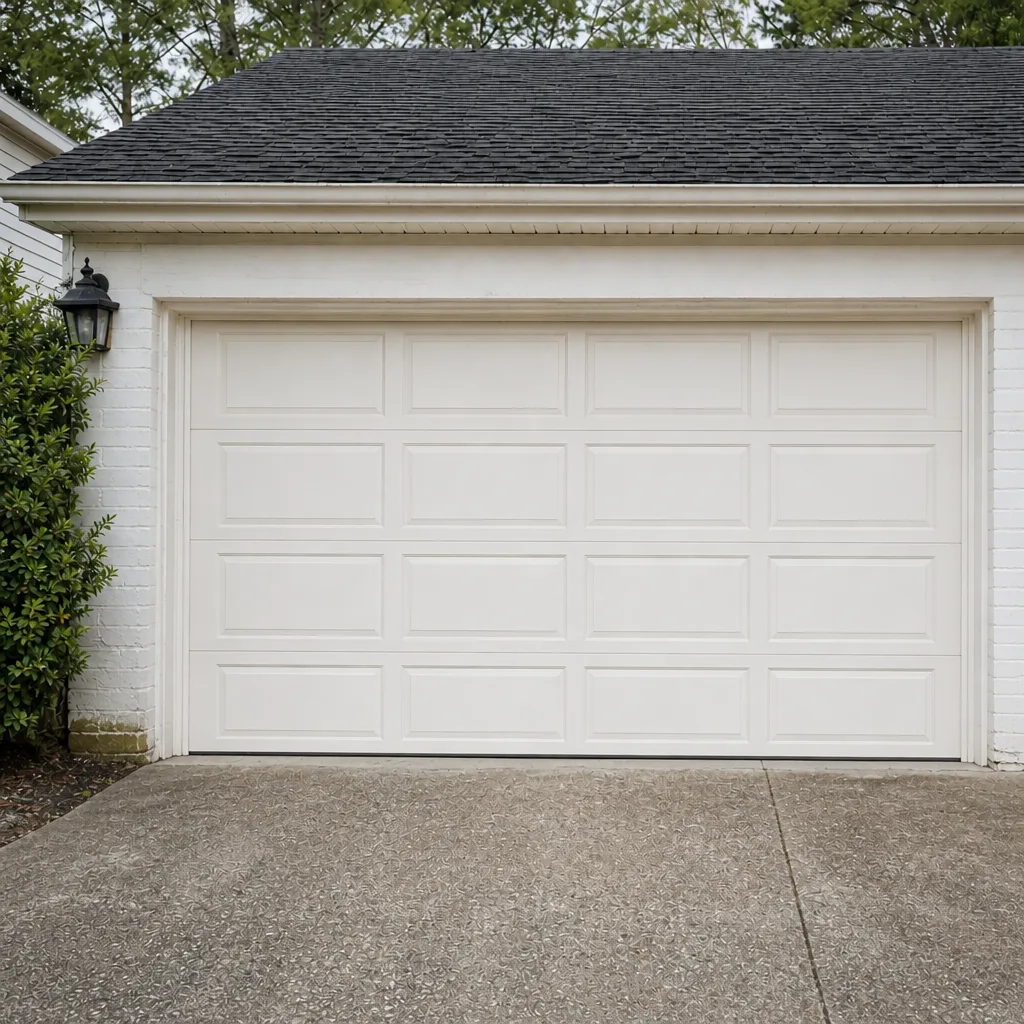
See the difference
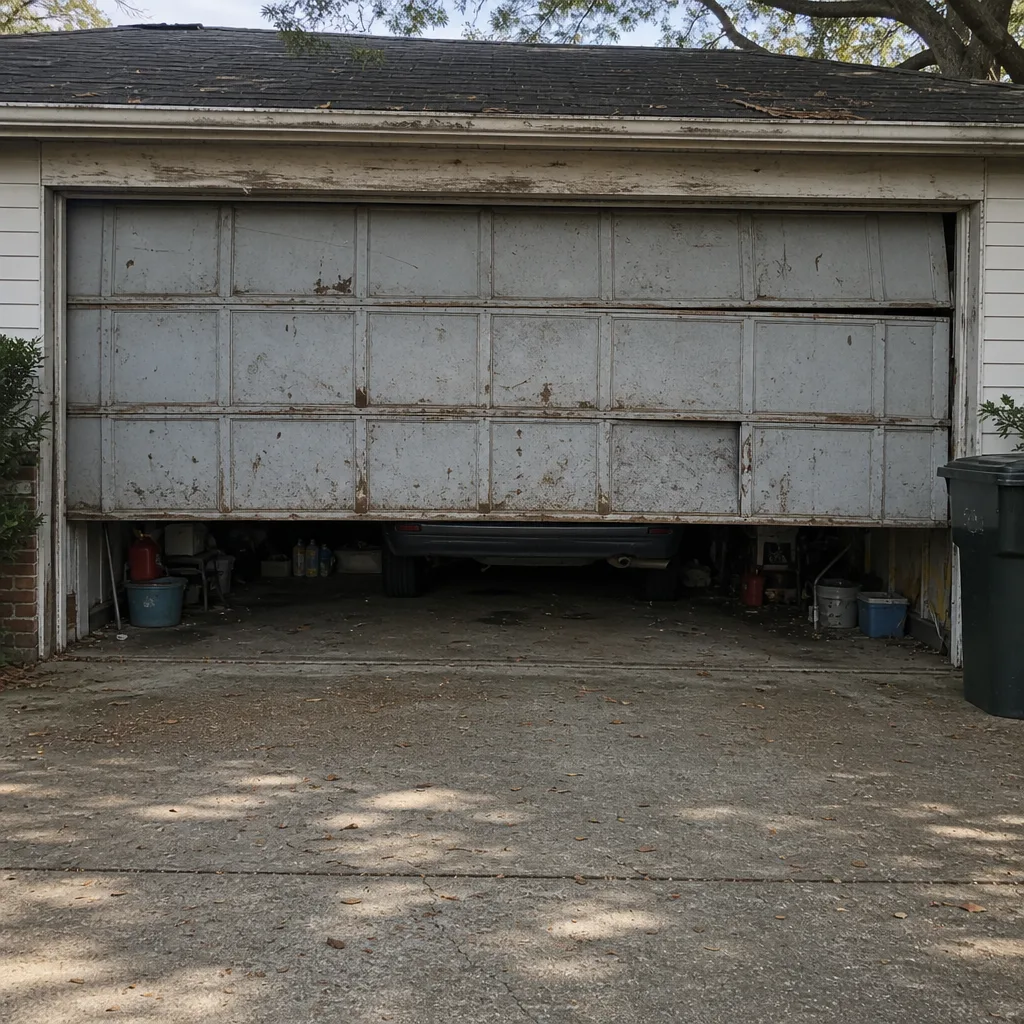 Before
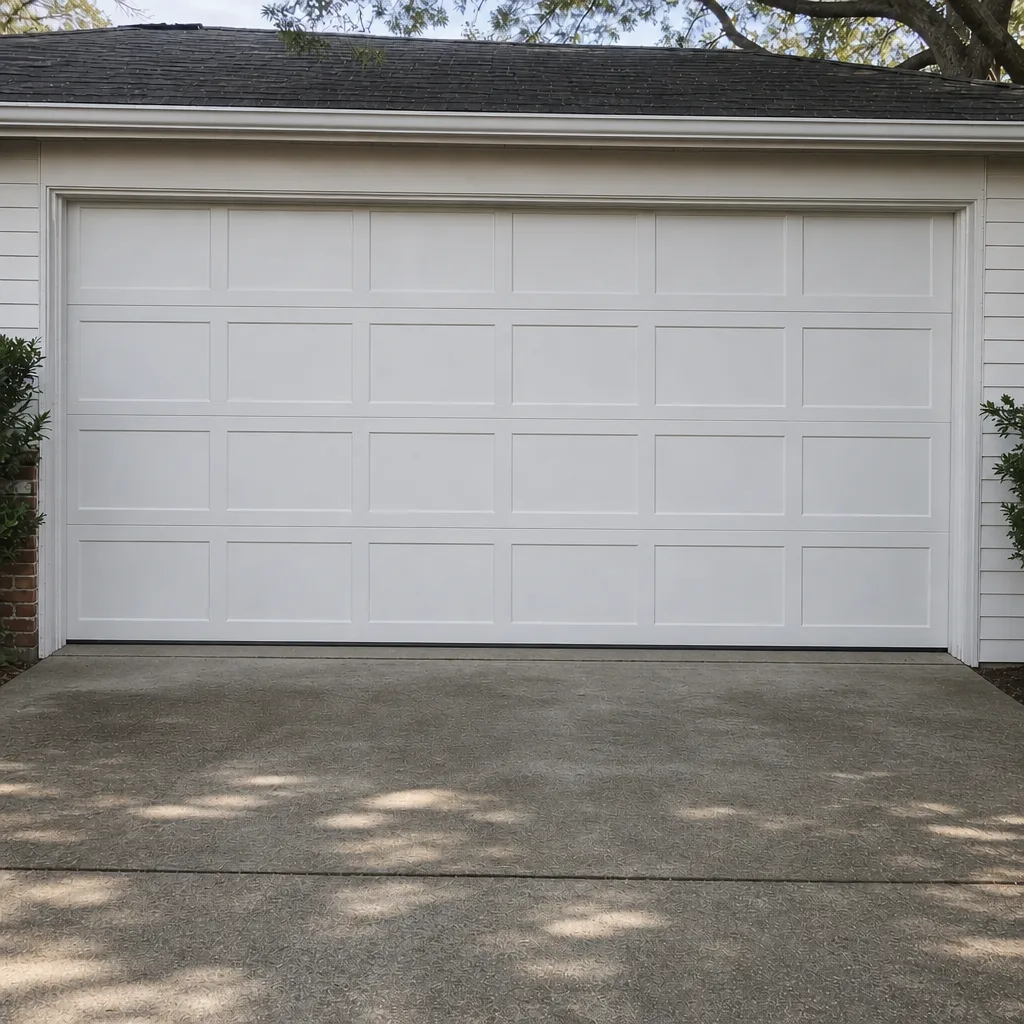 After
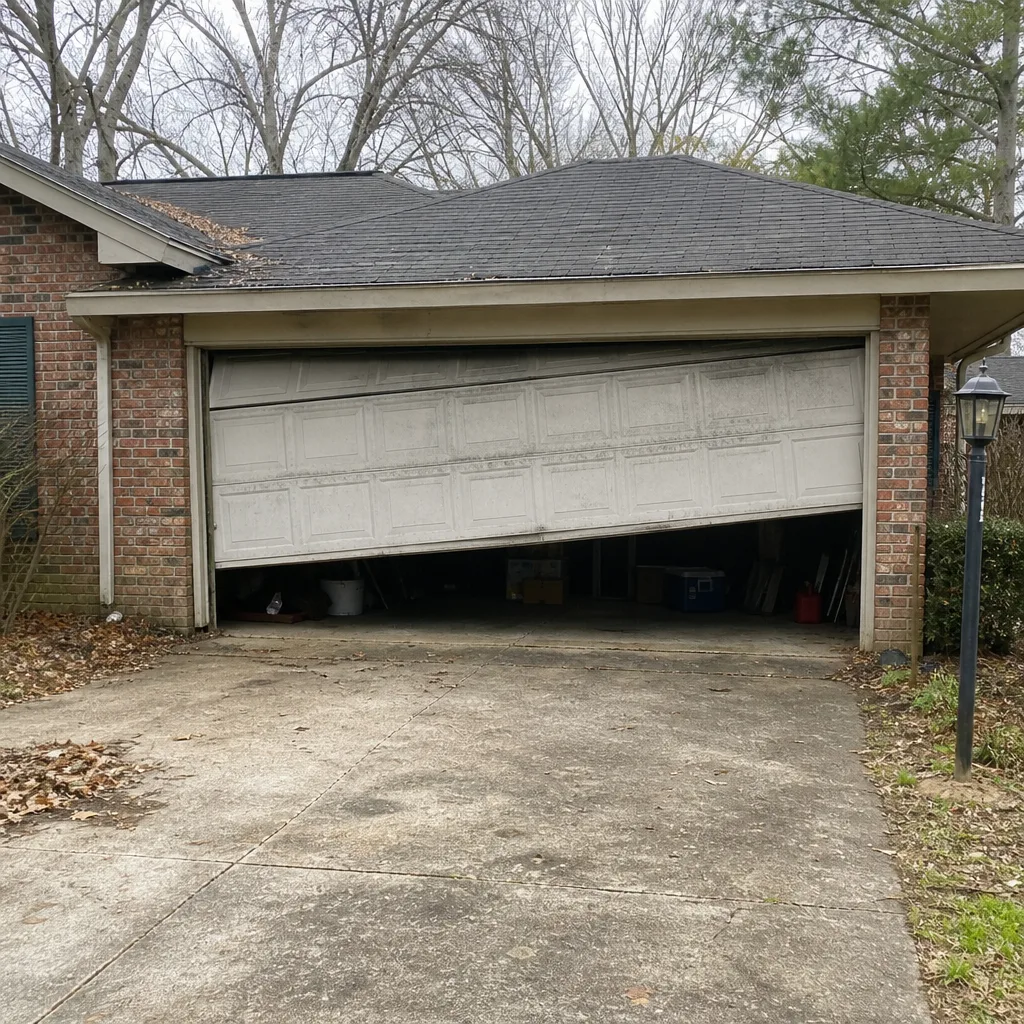 Before
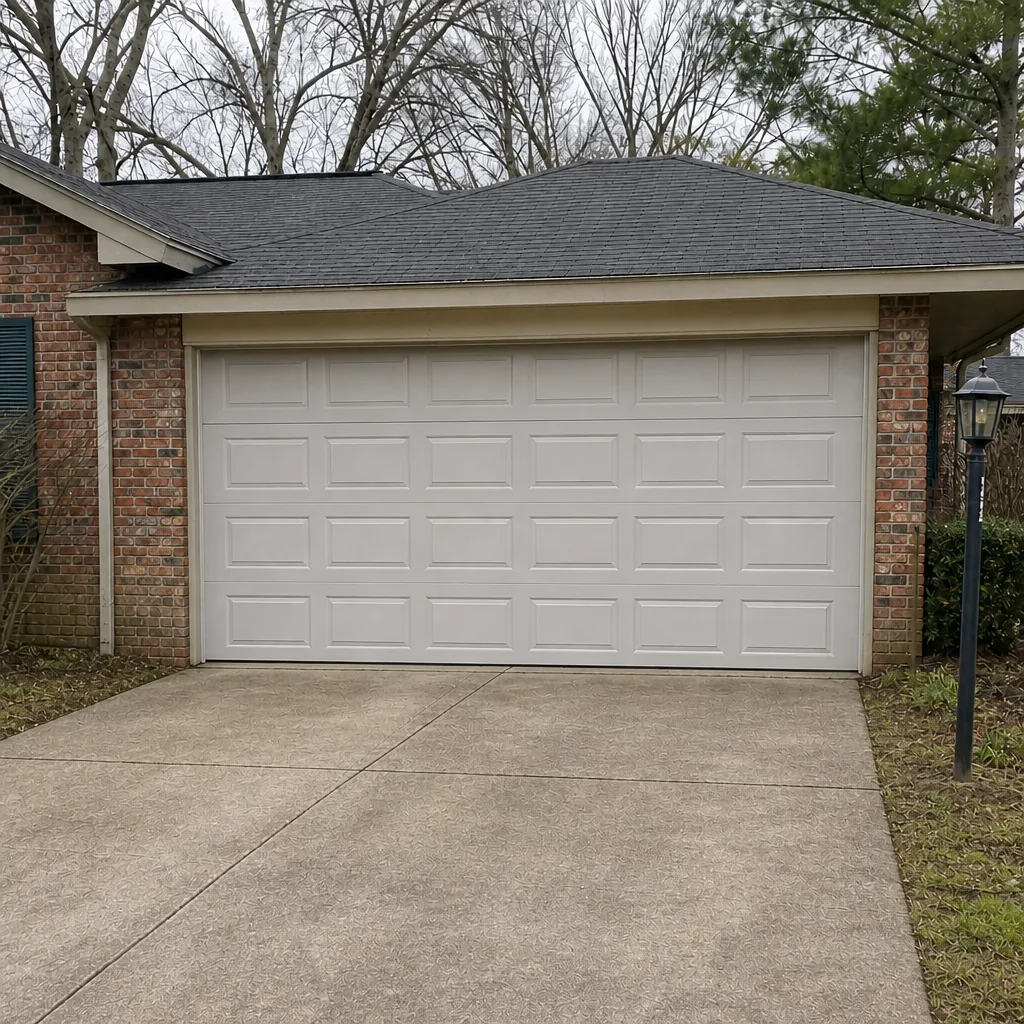 After
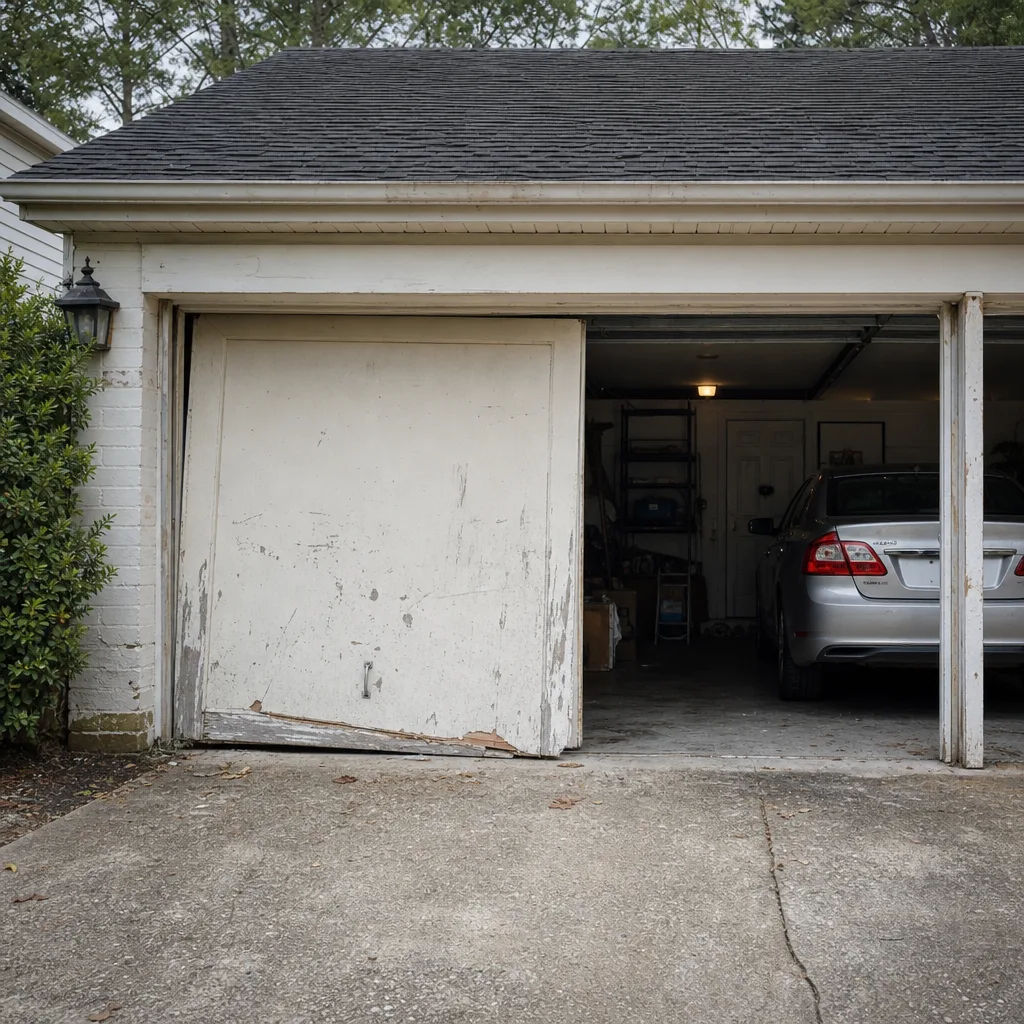 Before
 After
When to Call a Professional
Call us if the door is off track, won’t close fully, has a broken or visibly sagging spring, or makes grinding or scraping sounds that don’t go away. Cable problems, opener gearing, and any adjustment involving tension are all work for a trained technician. If you’re unsure whether a noise or movement issue is benign, it’s worth a call. Lakeside Garage Door Service offers free estimates in Montgomery – call (888) 688-3641. If the problem involves the opener specifically, we also handle garage door opener repair on all the major brand systems, so you don’t need a separate visit. Our technicians have up to 8 years of experience, and we quote the price before any work begins.
Frequently Asked Questions
Two to three times a year is right for most Montgomery doors, timed to the dry stretches in fall and late winter rather than the humid summer months. More frequent lubrication can attract dust and grit, which wears parts down faster. If your door is used heavily, add a check after any stretch of intense use.
No. WD-40 is a solvent, not a lubricant, and it leaves springs dry and prone to rust. Use a purpose-made garage door spring lubricant or a light silicone spray. Call (888) 688-3641 for an exact quote on a spring check or replacement.
Look at the tracks for bends or misalignment, check the panels for dents or warping, inspect the seal for water damage, and run the door once to listen for new noises. If the door is stuck or off track, stop using the opener and call us. Call (888) 688-3641 for an exact quote.
Disconnect the opener with the manual release, lift the door to about waist height by hand, and let go. A balanced door stays put or drifts slowly. A door that slams down or needs help has a spring problem. Don’t force it, and call if you see anything wrong.
Yes, and it’s worth the few seconds it takes. Buyers and inspectors increasingly ask for service records on major systems. A simple log with dates, tasks, and any professional work performed makes that record easy to produce. Call (888) 688-3641 for an exact quote on any repair.
We’re fluent in eight major brands, including Genie, Clopay, Amarr, Wayne Dalton, LiftMaster, Chamberlain, Craftsman, and Raynor. That means we diagnose and service the brand already on your home rather than handing you off to a specialist. Call (888) 688-3641 for a free estimate.
The Bottom Line
Garage door maintenance works best when it follows the local seasons, not a rigid monthly checklist. In Montgomery, time your checks to the pre-summer humidity peak, the first cold snap, and the storm season, and run the balance test and cable inspection every few months. Use the right lubricant on the right part, keep the tracks clean and dry, and leave springs, cables, and opener internals to a trained technician. Log what you do. A door that gets the right maintenance at the right times stays reliable, runs quieter, and holds its value when it’s time to sell.
Contact Lakeside Garage Door Service
If your door needs a professional look or you want a maintenance check done right, the team at Lakeside Garage Door Service is here for you. We handle repair, opener repair, and installation, and we’re familiar with the brand on your home. Based in Montgomery, we serve homeowners across the area with plain answers and a price quoted before any work starts. Call (888) 688-3641 for a free estimate. We answer 24/7, with fast dispatch from 7am to 7pm, Sunday through Friday. Closed on Saturday.
Written by the team at Lakeside Garage Door Service.