
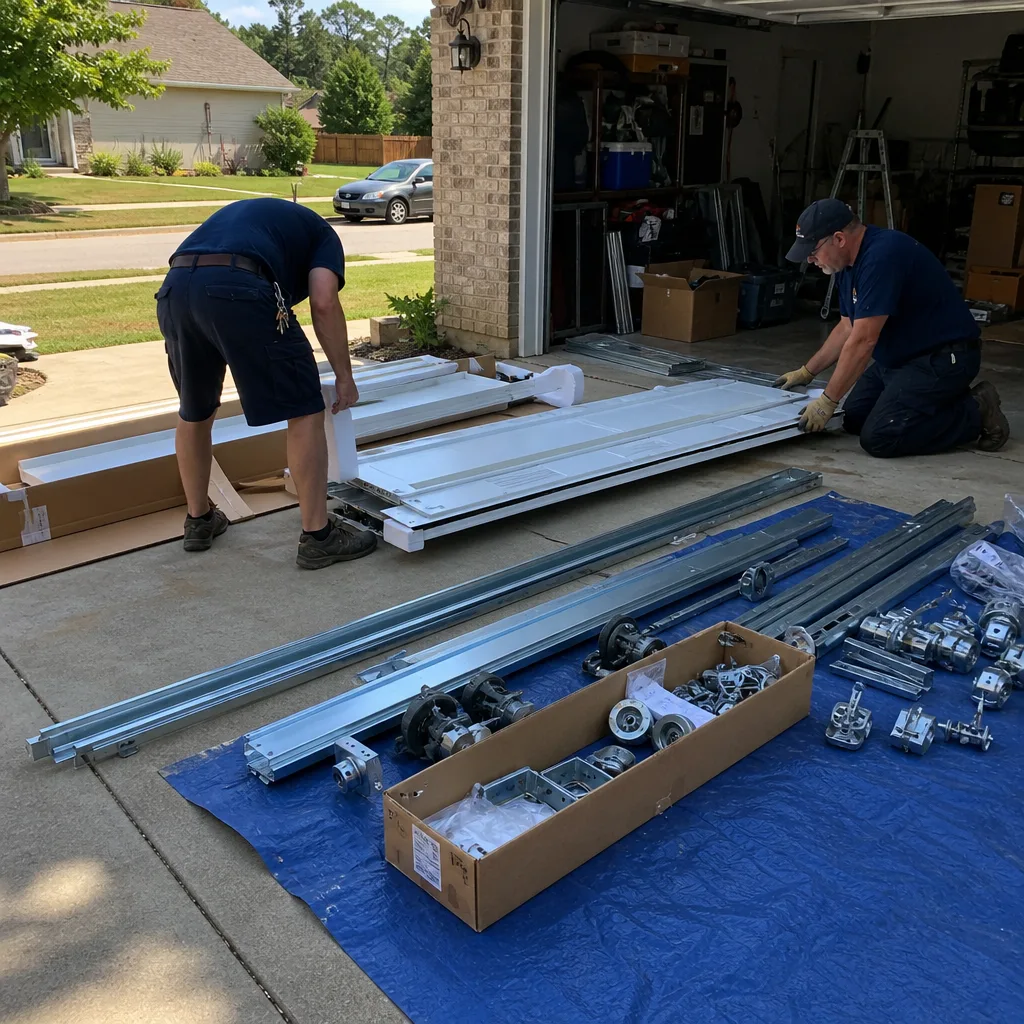
Last updated November 15, 2026
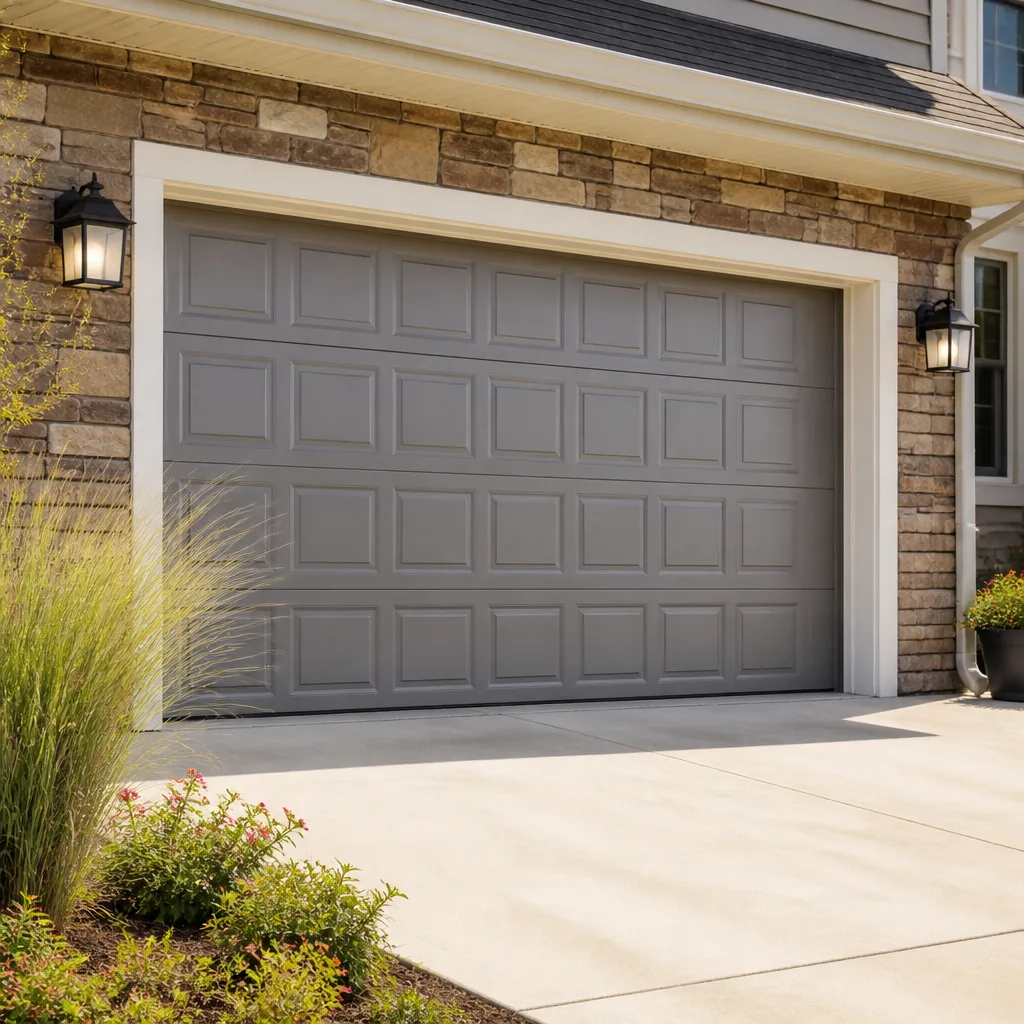 Raised-panel steel
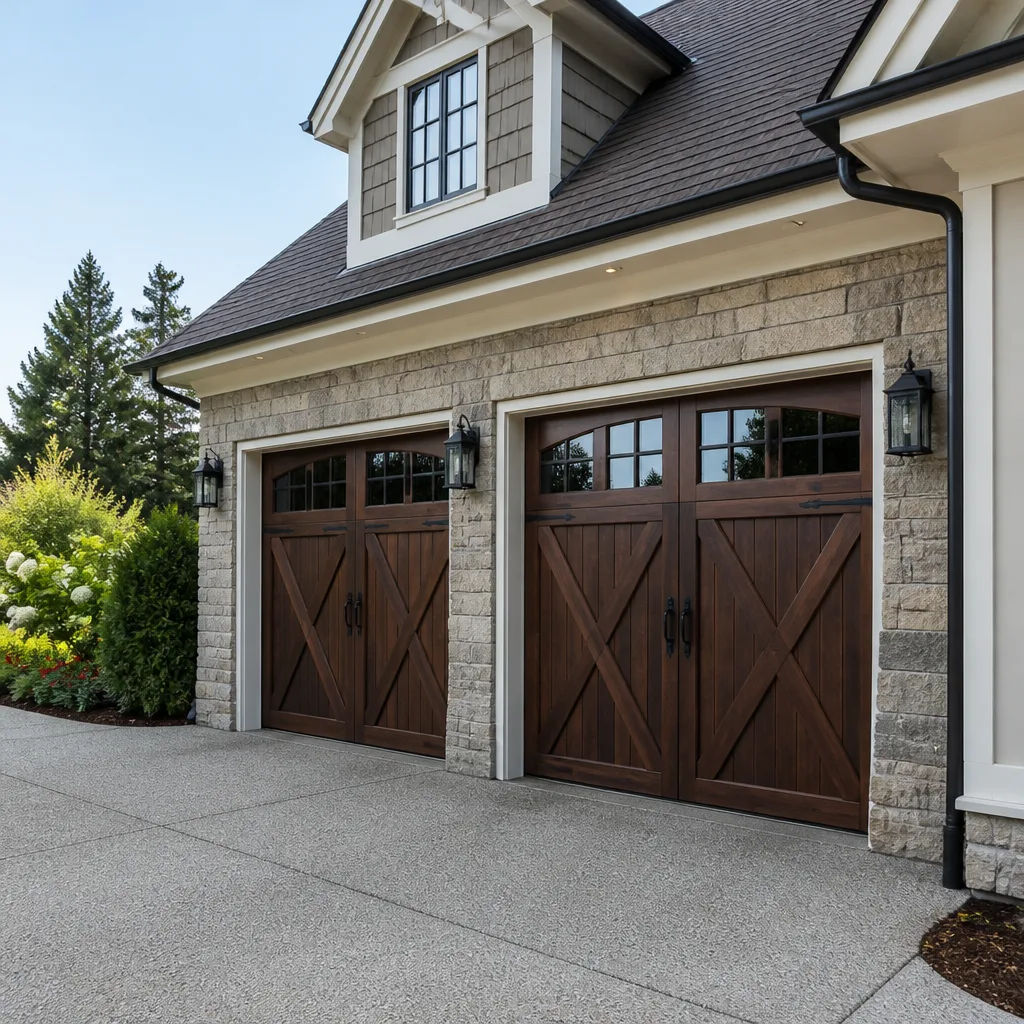 Carriage house
 Modern flush
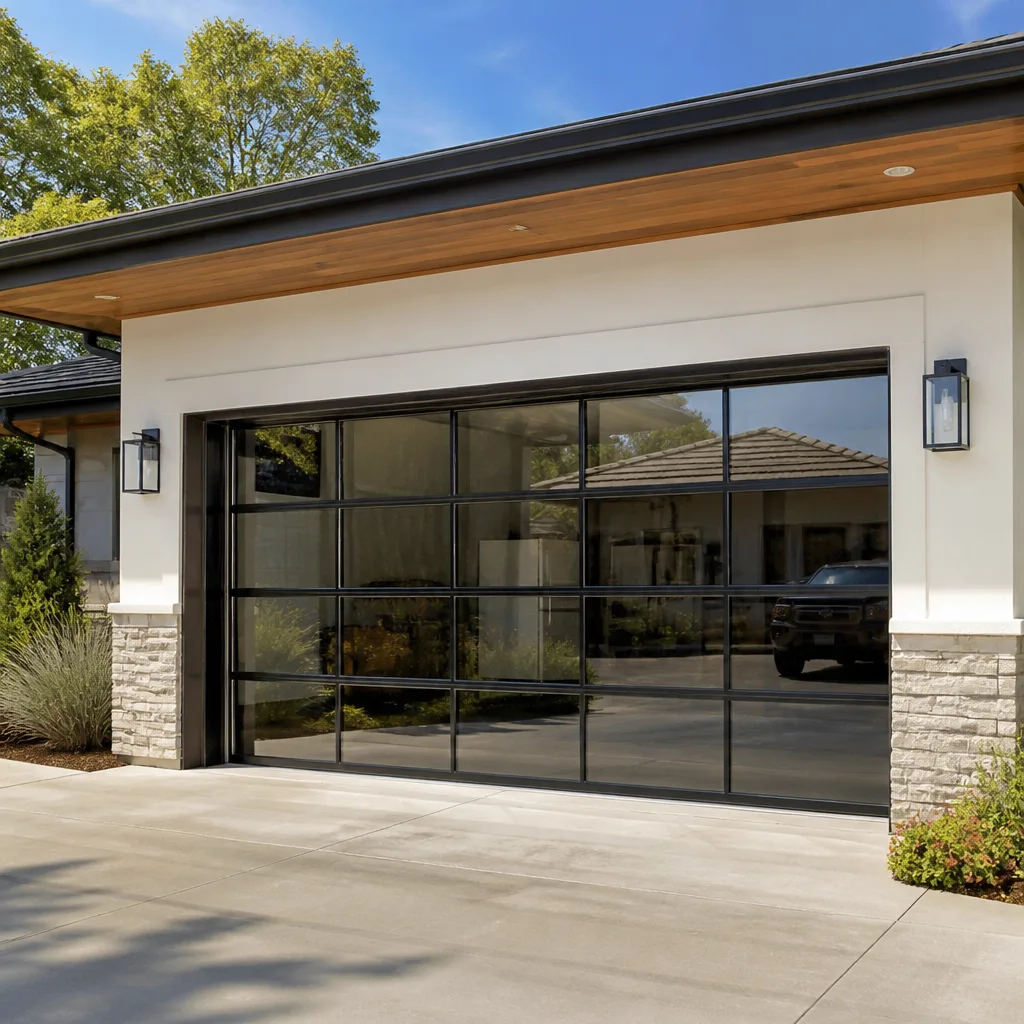 Full-view glass
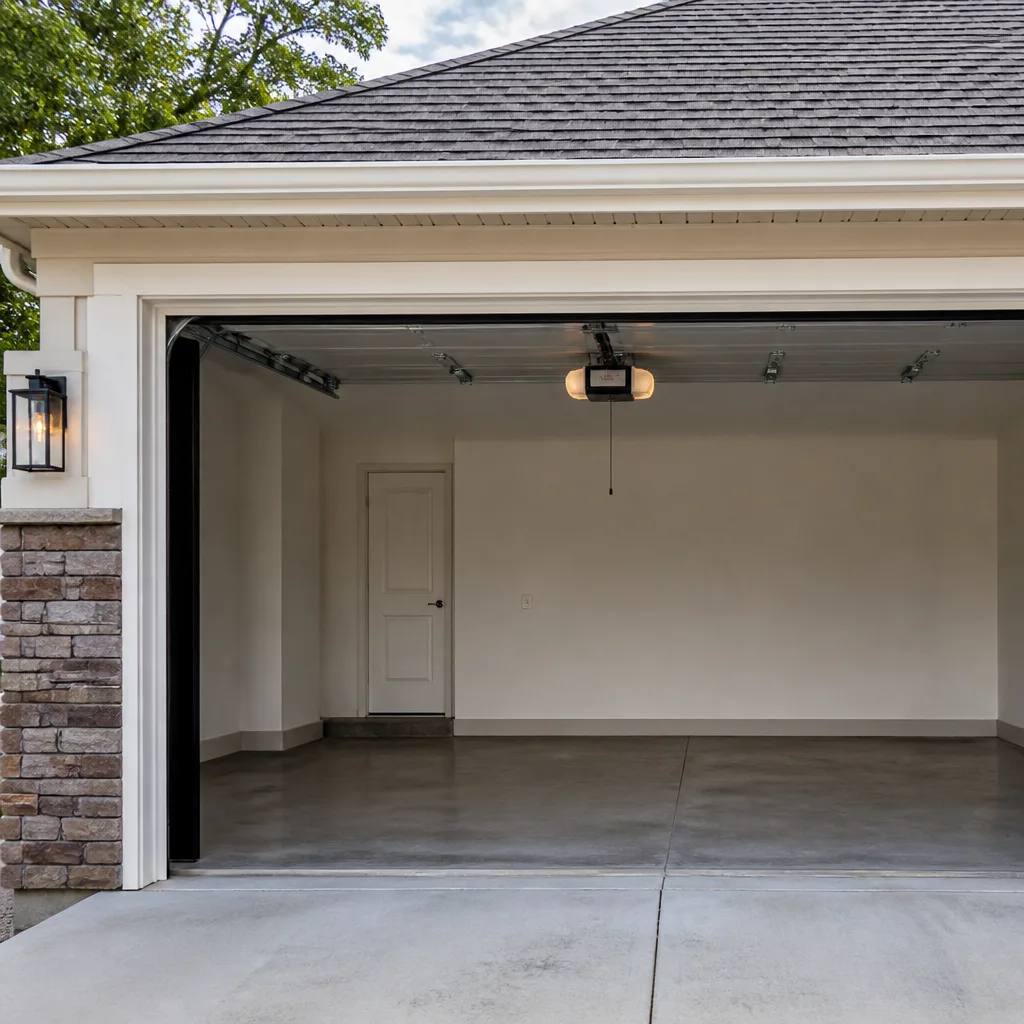 LiftMaster openers
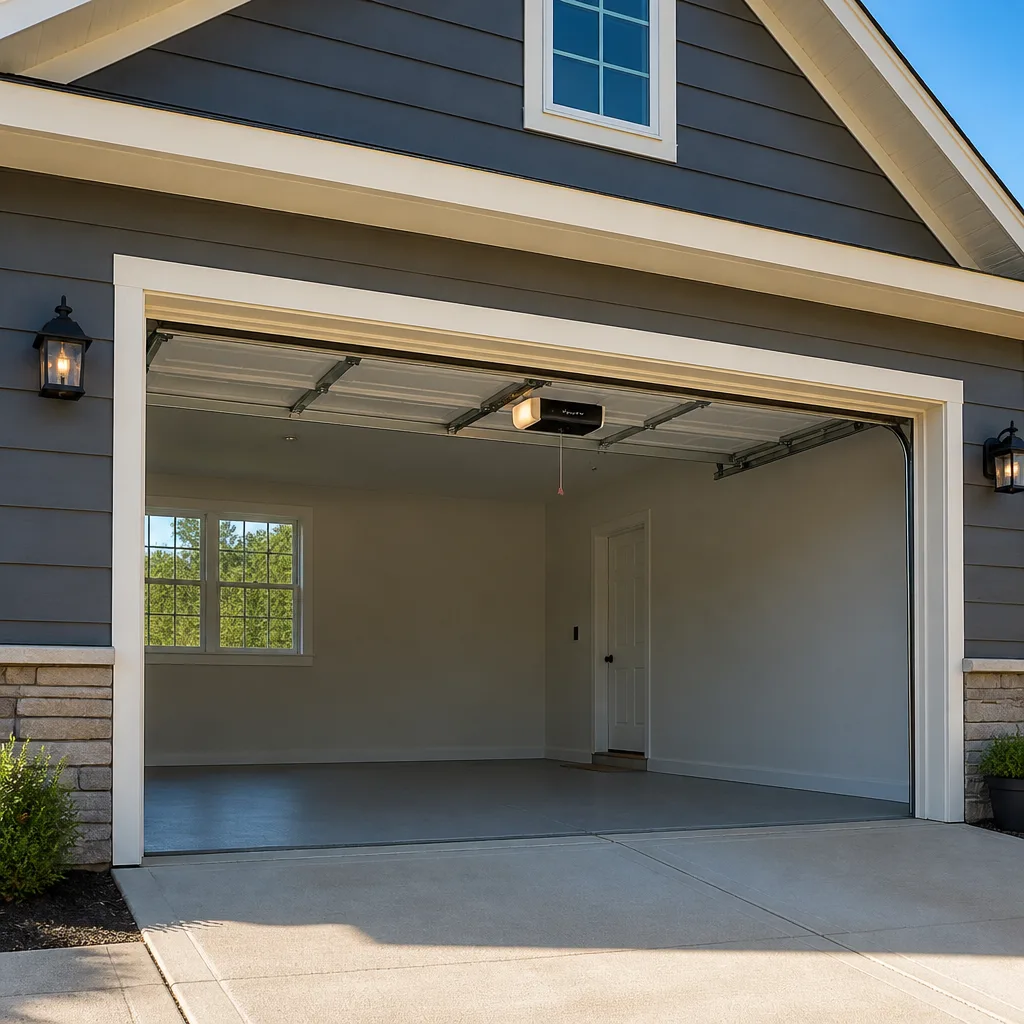 Chamberlain openers
Full 25-point door and opener safety check with every visit - springs, cables, rollers, tracks, and your LiftMaster or Chamberlain opener included
You get a price before we start. It does not change when the pro arrives.
Get your free estimateGarage Door Repair Maintenance Checklist for Montgomery Homeowners
Most homeowners assume a garage door wears out because it gets used too much. Around Montgomery, the bigger factor is temperature. Metal springs, track and hinges expand through a long, humid summer and contract again when the cooler months settle in, and every one of those cycles works the steel a little harder. That slow back-and-forth is what ages a door here, more than the number of times you open it. This guide walks through a maintenance checklist built around the Alabama seasonal calendar, not a generic quarterly template. You’ll get the tasks you can safely handle yourself, the ones that need a technician, and a simple way to log it all.
Quick Answer
A working garage door maintenance routine in Montgomery should follow the seasons: inspect and lubricate before summer humidity peaks, check balance and hardware after storm season, and adjust tension as temperatures drop in winter. Homeowners can safely handle lubrication, visual inspections and balance tests. Springs, cables, and anything involving the opener’s electrical wiring should go to a trained technician, because those parts store dangerous tension and cause serious injury when handled wrong.
Styles & brands we work with
- Raised-panel steel
- Carriage house
- Modern flush
- Full-view glass
- LiftMaster openers
- Chamberlain openers
Table of Contents
- Why Montgomery’s Climate Sets Your Maintenance Schedule
- Pre-Summer Checklist: Humidity Prep
- How to Run a Legitimate Balance Test
- Lubrication: What Works Here and What Makes It Worse
- Post-Storm and Fall Checks
- DIY vs. Technician: Where the Line Sits
- How to Log Maintenance for Warranty and Insurance
- Common Mistakes to Avoid
Why Montgomery’s Climate Sets Your Maintenance Schedule
Garage doors are largely steel, and steel responds to heat. Through a Montgomery summer, the metal in your springs, track and hinges expands as temperatures climb, then contracts when the air cools at night and again through the milder months. Each of those cycles is tiny on its own. Hundreds of them, spread across a year, add up to fatigue in the parts that carry the door’s weight. That’s the part most maintenance schedules miss. A quarterly reminder you’d find on a national site doesn’t account for the specific rhythm of an Alabama year.
The humidity matters just as much. Warm, moist air is hard on lubricants. A grease that stays put in a dry climate can thin out and migrate here, leaving hinges and rollers running metal-on-metal. Moisture also finds its way onto unpainted fasteners and the bottom of a steel door, which is why the lower panels and the hinges closest to the ground wear first.
What that means for you: your heaviest inspection and lubrication pass should land just before the summer heat sets in, and a second pass should follow the cooling trend in fall. Storm season sits between them and deserves its own look. Build the calendar around those three points and you’re covering the stressors that actually shorten door life around Montgomery, rather than following a template written for a milder climate.
Pre-Summer Checklist: Humidity Prep
This is the most important maintenance window of the year in Montgomery. Do it in spring, before the first stretch of hot, humid weeks. The goal is to have everything clean, lubricated and tight before the metal starts its summer expansion cycle.
- Wash and inspect the door panels. Rinse dust and pollen off, then look closely at the bottom panel and the lowest hinges, where moisture does the most damage. Touch up any chipped paint on steel panels before summer, since bare metal plus humidity is where rust starts.
- Clear the tracks. Wipe grit, leaves and debris out of both tracks with a damp cloth. Don’t lubricate the tracks themselves; they’re meant to stay clean and dry so the rollers glide.
- Lubricate hinges, rollers, and the torsion spring. Use a lubricant suited to humid conditions (more on which ones below). A little goes a long way; excess attracts grit.
- Check the weather seal and bottom rubber. Press the seal along the ground and look for cracks or a gap. A worn bottom seal lets humid air and pests in and can let water pool at the door’s base.
- Tighten visible bolts and hinges. Vibration loosens hardware over time. Snug the bolts on the hinges and the brackets you can safely reach, but leave the spring and cable hardware alone.
- Test the safety reverse. Put a roll of paper towels or a piece of wood flat under the door and close it. The door should reverse on contact. If it doesn’t, that’s a technician call.
This pass catches the small things before the hot season stresses them. If you’re unsure about any hardware that holds tension, stop and bring in help. Our garage door repair service starts with a full look at the whole system, so you’re not guessing at what’s wearing.
How to Run a Legitimate Balance Test
A balance test tells you whether the springs are still carrying the door’s weight evenly. An out-of-balance door strains the opener, wears the springs faster and can be genuinely unsafe. The catch is that most people test it wrong, judging the door by how it looks hanging open rather than how it feels moving.
Here’s the real test:
- Close the door and disconnect the opener. On most openers there’s a pull cord or release lever hanging from the carriage. Pull it, and the door should be free of the motor.
- Lift the door by hand to about halfway, then let go.
- A balanced door holds roughly where you left it, maybe drifting a few inches. An out-of-balance door drops on its own or swings up.
What an out-of-balance door feels like matters more than what it looks like. If the door is heavy in your hands and wants to slam down, the springs have lost tension. If it feels light and springs upward, tension is too high. Neither is something to correct yourself. Both mean a technician needs to reset the spring. A door that looks fine sitting open can still be badly out of balance, and you’d only notice by hand-testing it.
If you run this test and the door does something unexpected, put the opener back in gear and call for a look. A door that’s fighting its own springs will wear out the opener motor faster, and that’s an expensive repair to invite.
Lubrication: What Works Here and What Makes It Worse
Lubrication is the simplest maintenance task and the one most often done with the wrong product. In Montgomery’s humidity, your choice of lubricant matters as much as how often you apply it.
What works well in a humid climate:
- Silicone-based spray lubricant for hinges, rollers and the spring. It stays put, doesn’t attract grit the way heavy grease does, and won’t gum up in the heat.
- White lithium grease in a light coat on metal-to-metal contact points like hinge pivots. Use it sparingly.
- Dedicated garage door lubricant sold for the purpose, applied in a thin film rather than a thick coat.
What makes things worse here:
- Heavy automotive grease or chassis lube. Humid air and dust turn it into a sticky paste that grabs grit and accelerates wear at the hinges.
- WD-40 as a lubricant. It’s a fine cleaner and water displacer, but it isn’t a long-term lubricant. It evaporates and leaves the metal dry, so the door wears faster between applications.
- Graphite powder in the tracks. It can help in some setups, but around damp air it clumps and leaves a mess that roller wheels pick up.
The general rule around Montgomery: light, dry-film lubricants work better than heavy grease, and less is more. Wipe off any excess instead of letting it sit and collect dust. If your door has heavy brand-specific hardware, a Wayne Dalton or a Raynor door, for instance, follow the manufacturer’s lubrication recommendation where it’s specific. When in doubt, less lubricant applied more often beats a thick coat once a year.
Post-Storm and Fall Checks
Summer storms roll through Montgomery regularly, and the wind and water they bring can shift a door out of alignment in ways you won’t notice until the door starts grinding. After the storm season, and again as temperatures drop in fall, do a follow-up inspection.
Post-storm checks:
- Look at the track on both sides. A dent or a bend from a bump will make the door run rough. Don’t try to bend a bent track back yourself; have it looked at.
- Clear debris from the door’s path and the bottom seal. Leaves and twigs caught under the seal get pressed into the rubber and tear it over time.
- Test the safety reverse again, since electrical issues can surface after a power surge.
- Check that the door closes flush against the ground on both sides. If one side shows a gap after a storm, the track may be out of square.
Fall tension check: as temperatures fall, the springs contract. That’s the point where a door that ran smoothly in summer can start feeling heavier by hand. Run the balance test again around late fall. If the door no longer holds its position at halfway, the spring tension has changed and needs a technician to reset it. This is also the time to check the opener’s force settings if the door is straining. On a LiftMaster or a Craftsman opener, the force adjustment is in the manual, but resetting it on a door that’s already out of balance just masks the problem.
DIY vs. Technician: Where the Line Sits
Half of any good maintenance routine is knowing which half you should actually do. Here’s the honest split.
Safe for homeowners:
- Washing and inspecting panels, seals and weather stripping.
- Clearing debris from the tracks with a cloth (not lubricating the tracks).
- Lubricating hinges, rollers and the spring with a proper product.
- Tightening visible bolts on hinges and brackets that don’t hold tension.
- Running the balance test and the safety-reverse test.
- Checking the opener’s manual for light codes and force settings, and calling if something looks off.
Needs a trained technician:
- Anything involving the torsion spring or extension springs. These store enormous energy. A spring under tension can cause severe injury if it releases unexpectedly, and getting the winding right takes specific tools and know-how.
- Cables and the drums that hold them. Cable failure is dangerous and unpredictable.
- Bending or replacing a damaged track.
- Adjusting or replacing the opener’s electrical wiring, safety sensors or logic board.
- Anything that requires the door’s weight to be supported while parts are swapped.
The line is simple: if the task involves stored tension or electrical wiring, it belongs to a technician. Around Montgomery, we’ve handled enough doors to know which problems get worse with a well-meant DIY fix. Our technicians work on the brand already on your home, whether that’s a LiftMaster opener or a Wayne Dalton door, so the diagnosis fits the actual system instead of a generic guess.
How to Log Maintenance for Warranty and Insurance
A maintenance log is boring until the day you need it. Keep a simple record and you’ll have something useful if a warranty claim or an insurance question comes up.
What to record:
- The date of each inspection, lubrication or repair.
- What you did, in a line or two. “Lubricated hinges and rollers, tested safety reverse” is plenty.
- Who did the work. Note whether it was you or a technician, and keep any written estimate or invoice with the log.
- Any parts replaced and the brand, so a future match is easy. If a technician replaces a Raynor roller or a Craftsman opener part, write it down.
- Photos after each season’s pass. A phone photo of the door panels, seal and track gives you a baseline to compare against.
Why it’s worth the effort: if a spring fails earlier than you’d expect, a maintenance record shows whether the door was looked after. Manufacturers and insurers often ask whether routine care happened. It also helps a technician, since a written history tells them what’s been checked and what hasn’t. For a warranty on a Clopay or Amarr door, a documented history works in your favor. A shared note on your phone or a paper folder both work; the point is having a record you can pull up.
Common Mistakes to Avoid
- Lubricating the tracks. The tracks should stay clean and dry. Grease in the tracks collects grit and makes the rollers skid instead of roll.
- Using heavy automotive grease in summer. In Montgomery’s humidity it turns into a paste that attracts dust and speeds wear. Use a light silicone or lithium product instead.
- Skipping the pre-summer pass. Most people wait until something breaks. Around here the spring-and-roller work is lightest in spring, and that’s the window to do it.
- Adjusting the opener’s force setting to fix a heavy door. Turning up the force just masks a balance problem and can let the door crush something. Fix the balance, not the force.
- Trying to save money by resetting the springs yourself. This is the single most dangerous DIY job on a garage door. A torsion spring under tension can cause serious injury if it lets go.
- Ignoring a small gap at the bottom seal. In a humid climate, a worn seal lets damp air in and lets water pool, which rusts the bottom panel first.
- Forgetting to test the safety reverse after storms. The safety sensors and reverse function fail quietly. Test it after every major weather event, not just once a year.
See the difference
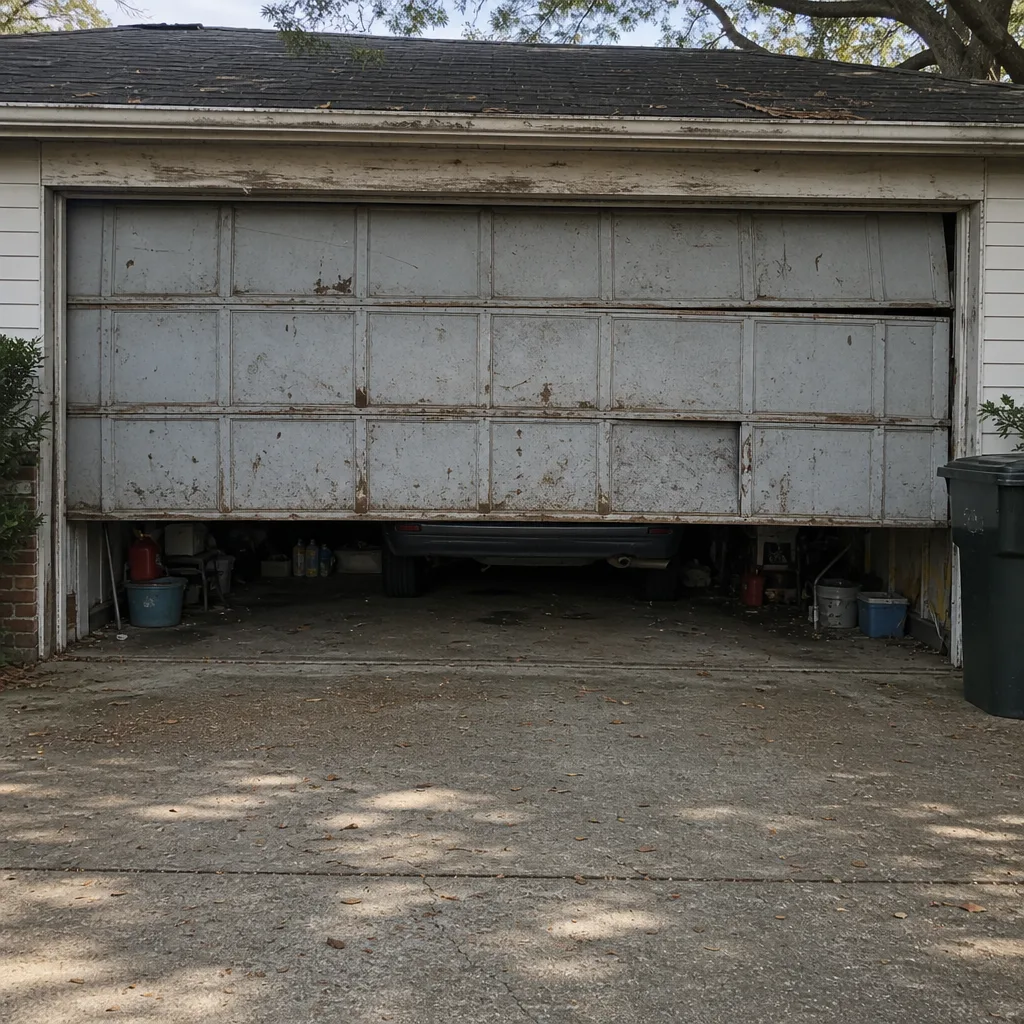 Before
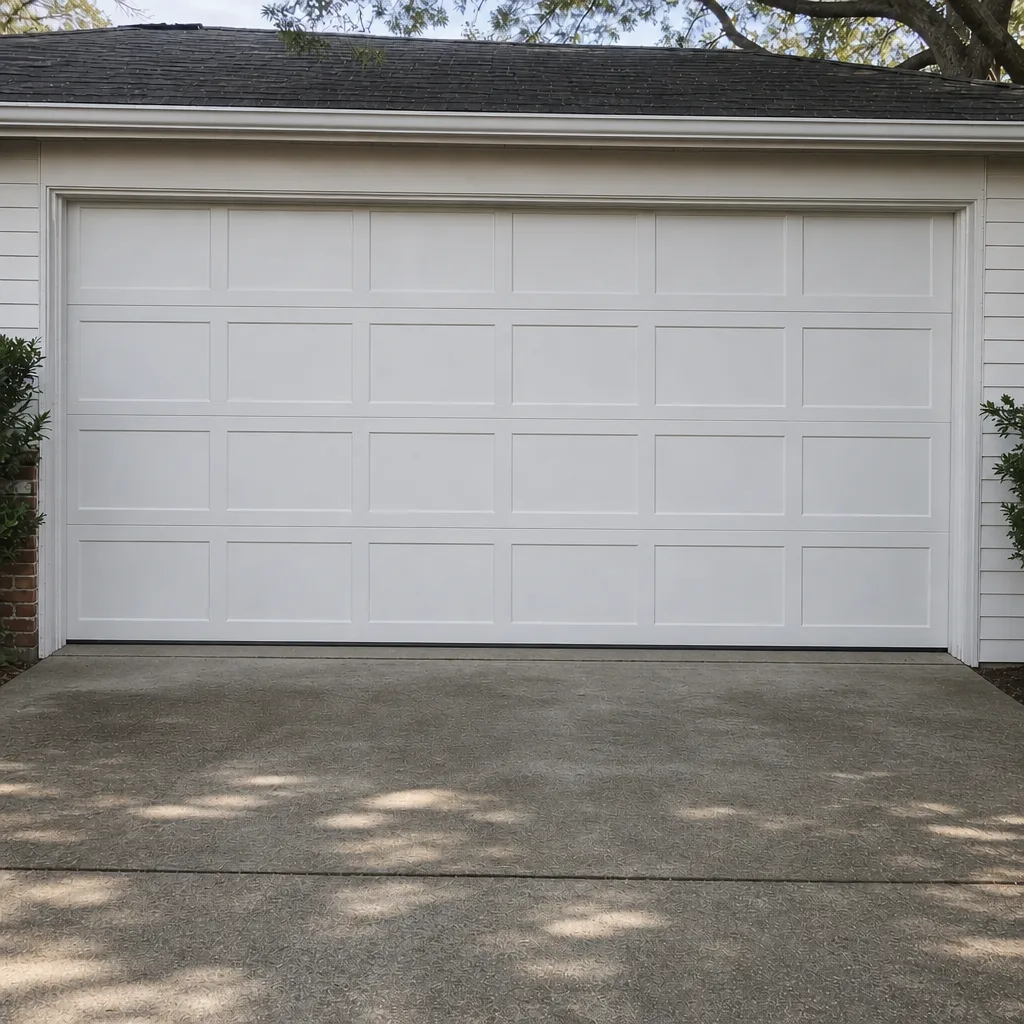 After
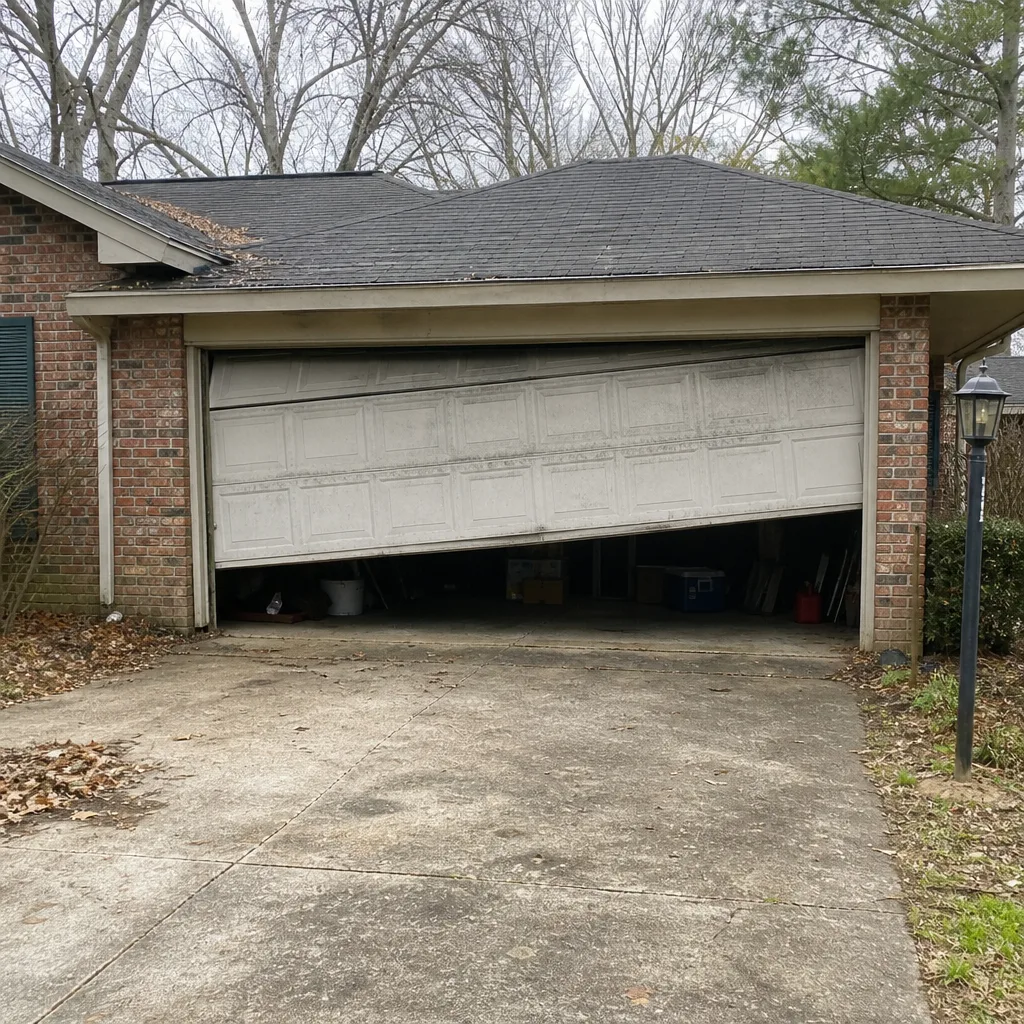 Before
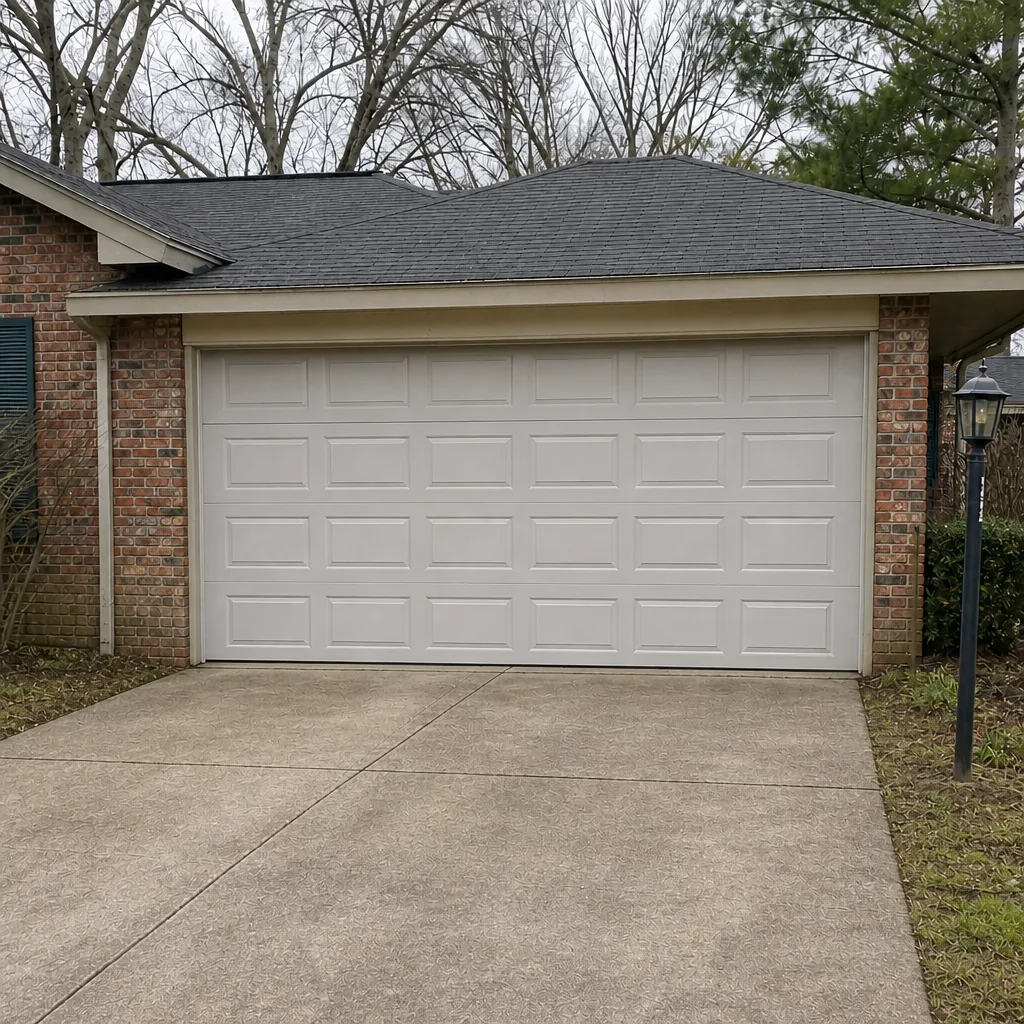 After
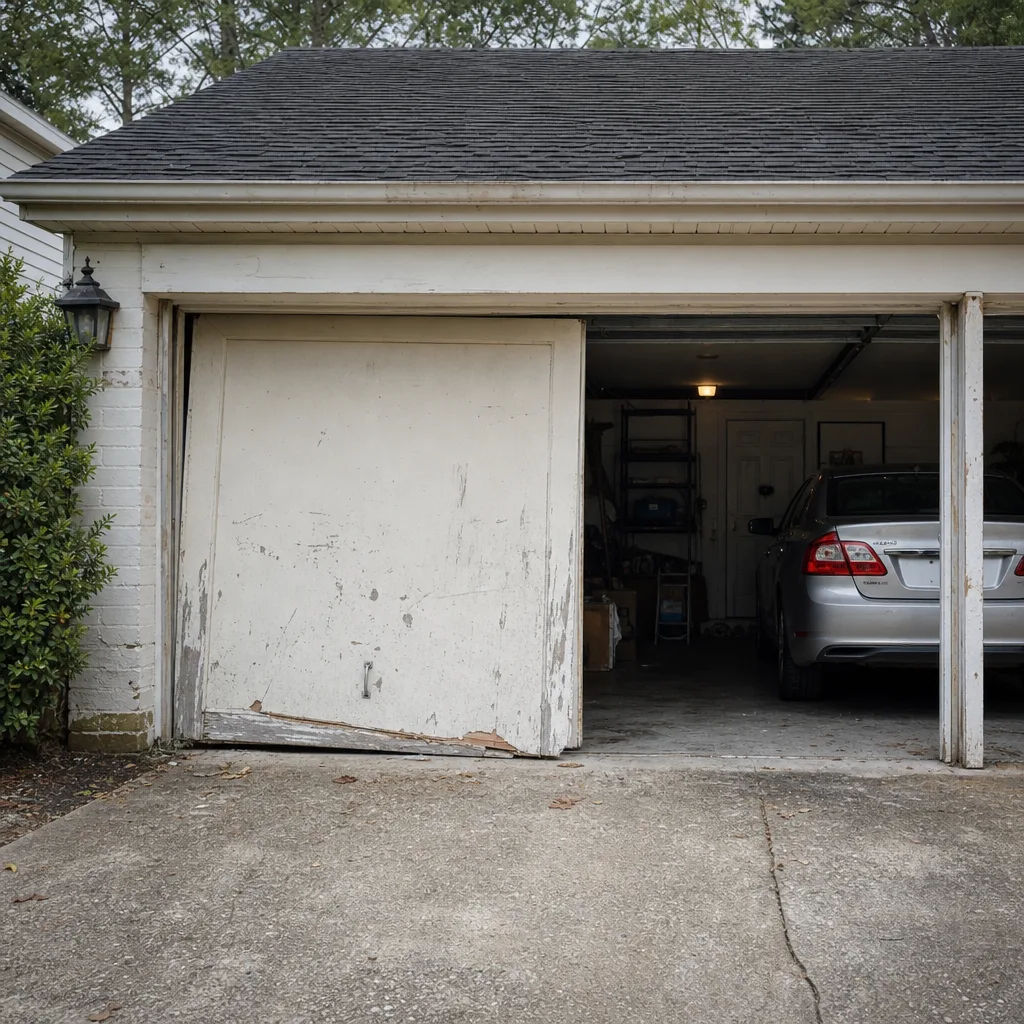 Before
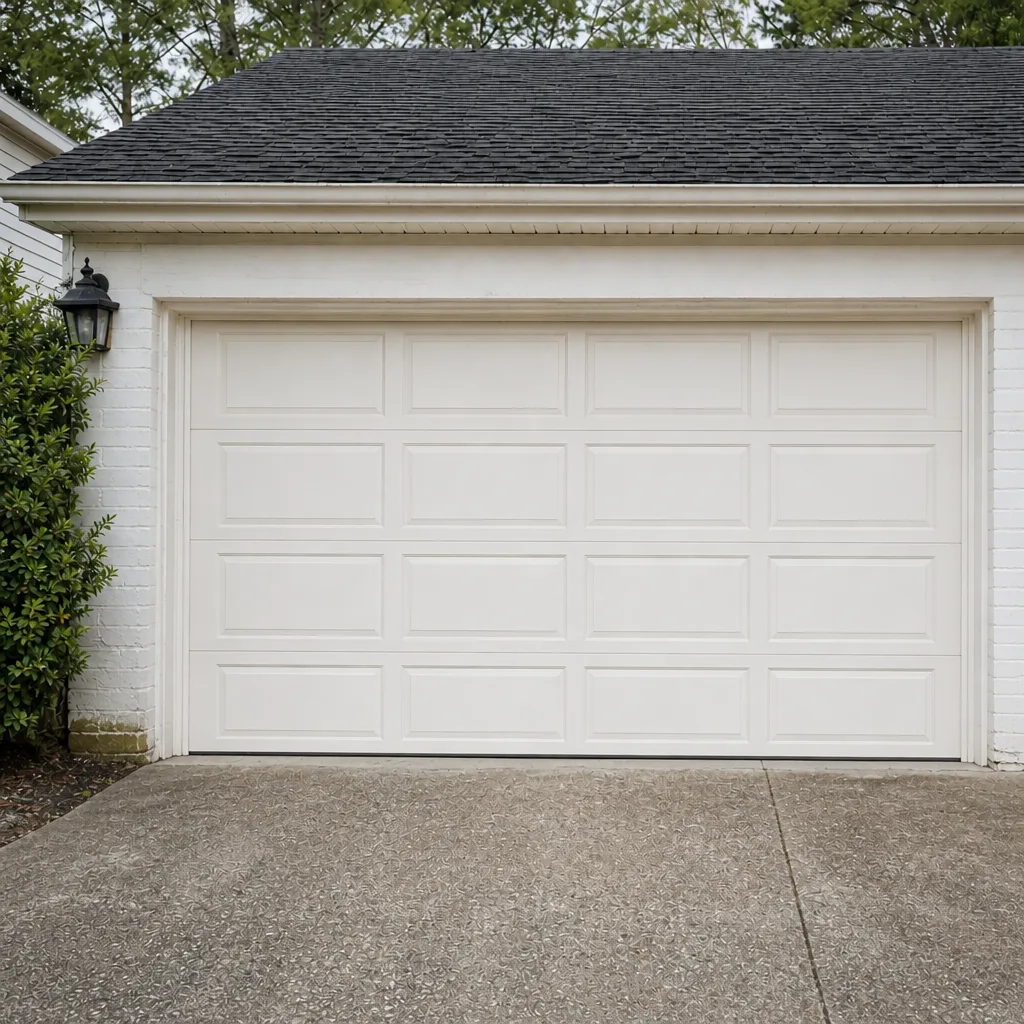 After
When to Call a Professional
Some problems are just maintenance. Others need a technician. Call a professional if you see or feel any of the following: a door that drops or swings up when you release it halfway, a snapped or stretched spring, visible fraying on the cables, a track that’s bent or the door coming off the track, an opener that hums but doesn’t move the door, or a safety reverse that stops working. Any of these mean the door or opener shouldn’t be used until it’s checked. The risk with springs and cables is real, and a door that’s out of balance can wear out the opener quickly. Lakeside Garage Door Service offers free estimates in Montgomery. Call (888) 688-3641. We answer 24/7, and fast dispatch runs from 7am to 7pm, Sunday through Friday, closed Saturday. Our team works on the eight major brands directly, so whether your opener is a Genie or your door is a Clopay, the diagnosis fits what’s actually on your home. If it’s the opener itself acting up, our garage door opener repair service handles that too. If a door is past saving and you’re weighing a replacement, the team also handles full installation, so a single call covers the whole system.
Frequently Asked Questions
Three times a year works best here: a pre-summer pass before the heat and humidity peak, a post-storm check, and a fall tension check as temperatures drop. The seasonal timing matters more than a fixed quarterly schedule because Montgomery’s temperature swings are what stress the springs and hardware most. You can safely do lubrication, cleaning and balance tests yourself between technician visits.
You can apply lubricant to the torsion spring if you don’t touch the winding hardware and the door is in the down position. It’s safe to spray a silicone or lithium product on the coil so the spring coils move freely. What’s not safe is winding, unwinding or replacing the spring; that takes a trained technician with the right tools. If in doubt, leave the spring to a professional.
A light silicone spray or white lithium grease is best in Montgomery’s humidity, applied in a thin film. Heavy automotive grease and general-purpose spray oils attract grit and turn sticky in the heat, which speeds wear instead of preventing it. Use the proper product on hinges, rollers and the spring, and keep the tracks clean and dry.
Disconnect the opener, lift the door to about halfway, and let go. A balanced door holds roughly in place; an out-of-balance door drops on its own or rides up. What it feels like is the real clue: a door that’s heavy and wants to slam down has lost spring tension, and a door that feels light and springs up has too much. Either way, call a technician to reset it.
Usually not. An out-of-balance door in Montgomery almost always needs a spring adjustment or replacement, not a whole new door. A technician can tell you whether the springs, cables or hardware are worn past saving. Replacement only comes up when the door structure itself is failing, and even then the team can handle both repair and a full install so you’re not bouncing between companies.
Yes. A dated log of inspections, lubrication and repairs makes it easier to show the door was looked after if a warranty claim or insurance question comes up later. Note what was done, whether it was you or a technician, and any parts replaced. Photos after each season’s pass give you a useful baseline, and it helps the technician who next works on the door.
Whether it’s repair, an opener fix or a full new install, Lakeside Garage Door Service covers the whole system, with brand-specific know-how across LiftMaster, Chamberlain, Genie, Clopay, Amarr, Wayne Dalton, Craftsman and Raynor. One call resolves the whole problem rather than passing you between specialists. Our technicians have up to 8 years of experience, and we’re brand-neutral, so the recommendation fits what your door actually needs rather than a preferred product line. Call (888) 688-3641 for a free estimate. We answer 24/7, and fast dispatch runs from 7am to 7pm, Sunday through Friday, closed Saturday.
The Bottom Line
Maintenance on a garage door in Montgomery is a seasonal routine, not a yearly one. Time your work around the heat: a spring check before summer, a storm follow-up, and a tension look in fall. Do the safe tasks yourself, keep the tracks dry and the hinges lightly lubricated, and test the safety reverse every time. Leave springs, cables and opener wiring to a technician, and keep a dated log in case you ever need it for a warranty or insurance question. Keep it up and the door moves the way it should, season after season.
For a free estimate or a maintenance visit, call (888) 688-3641 at Lakeside Garage Door Service, serving homeowners across Montgomery.
Written by the team at Lakeside Garage Door Service.