
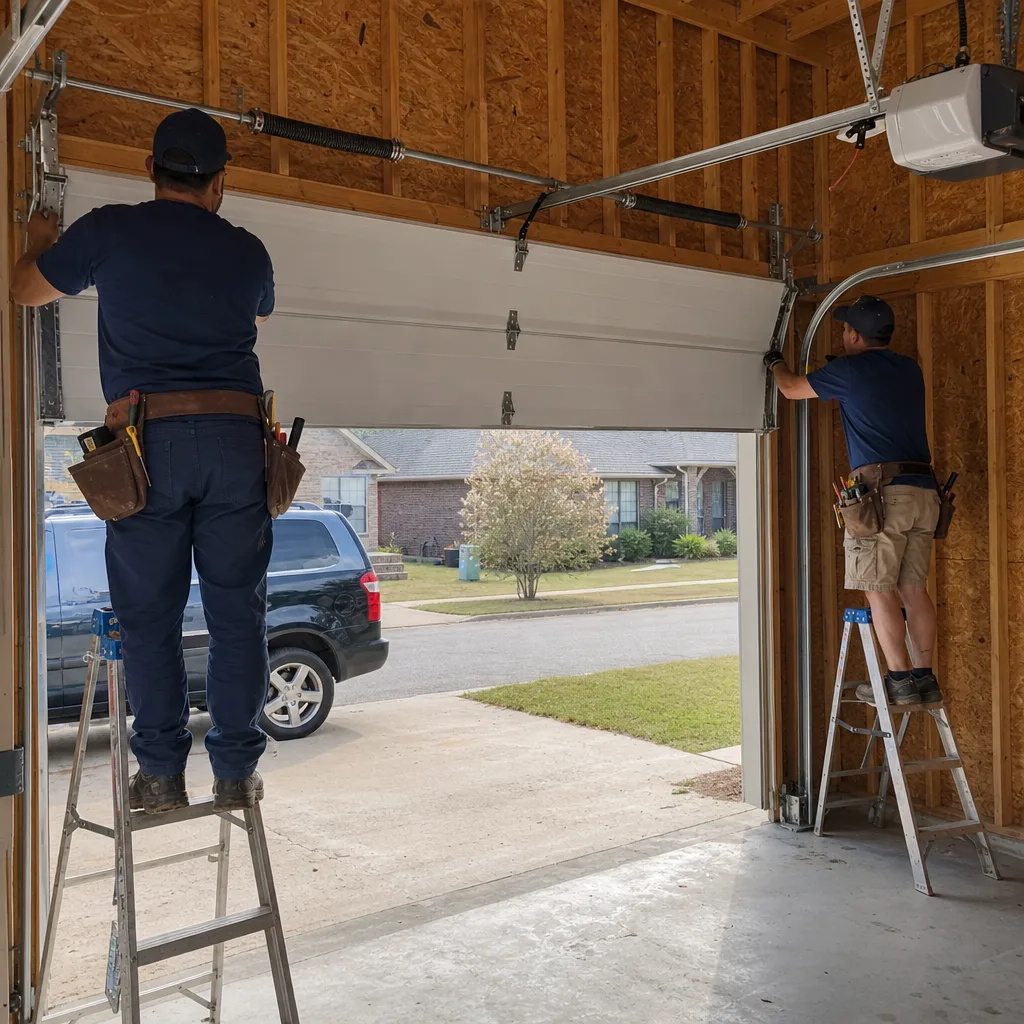
Last updated November 15, 2026
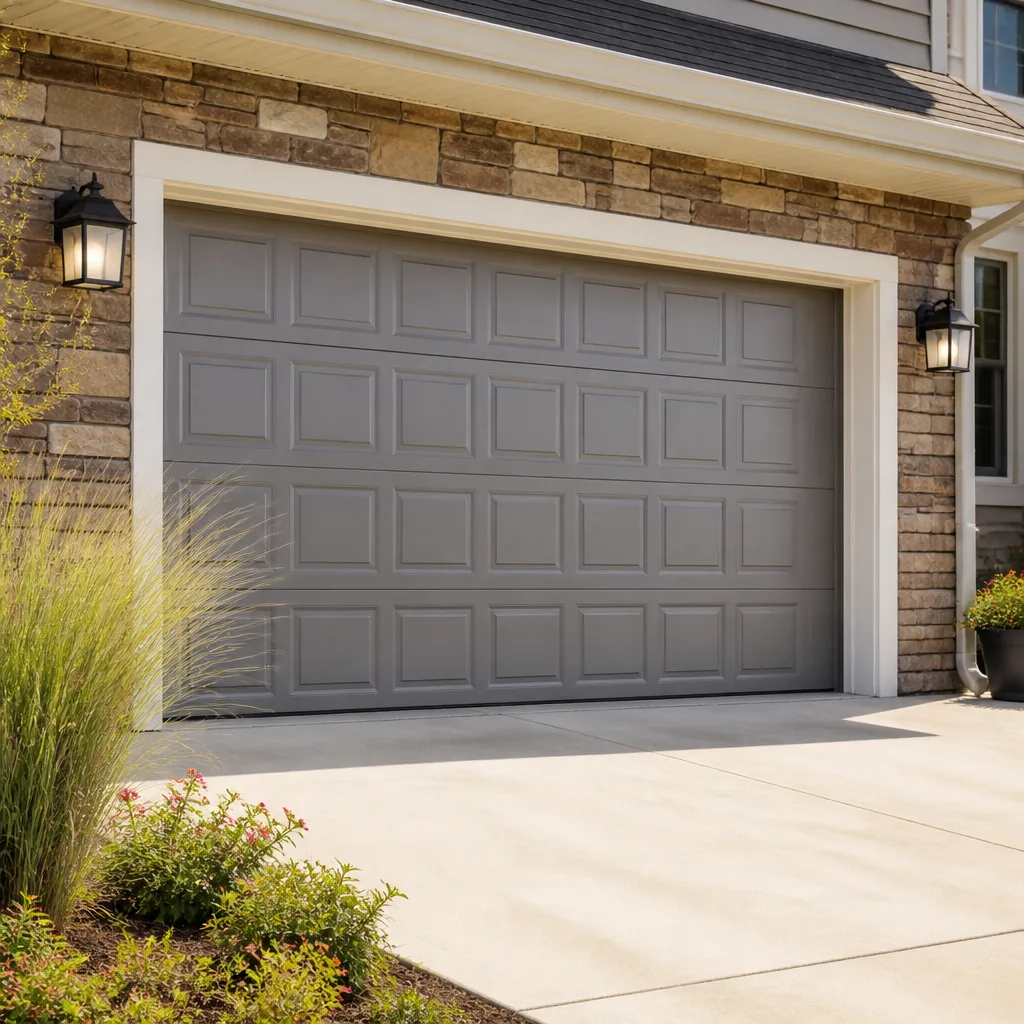 Raised-panel steel
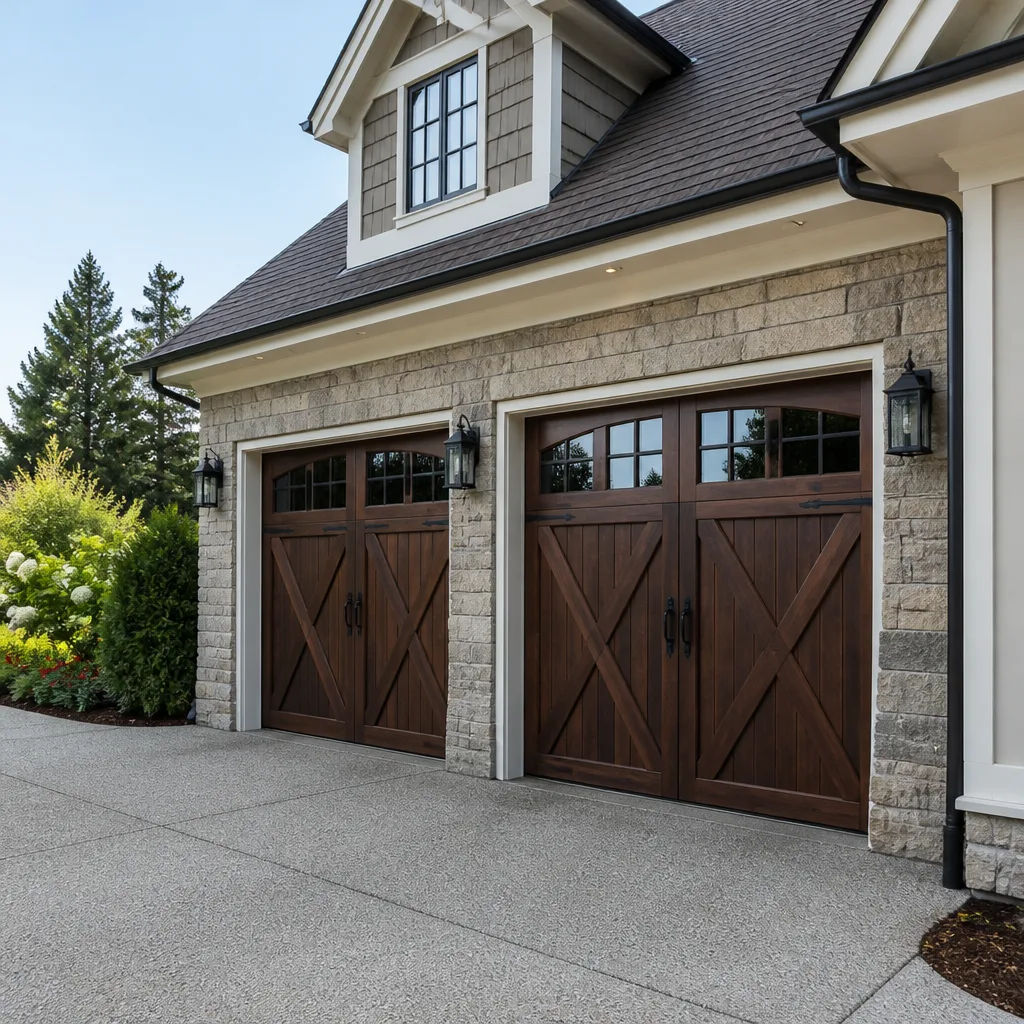 Carriage house
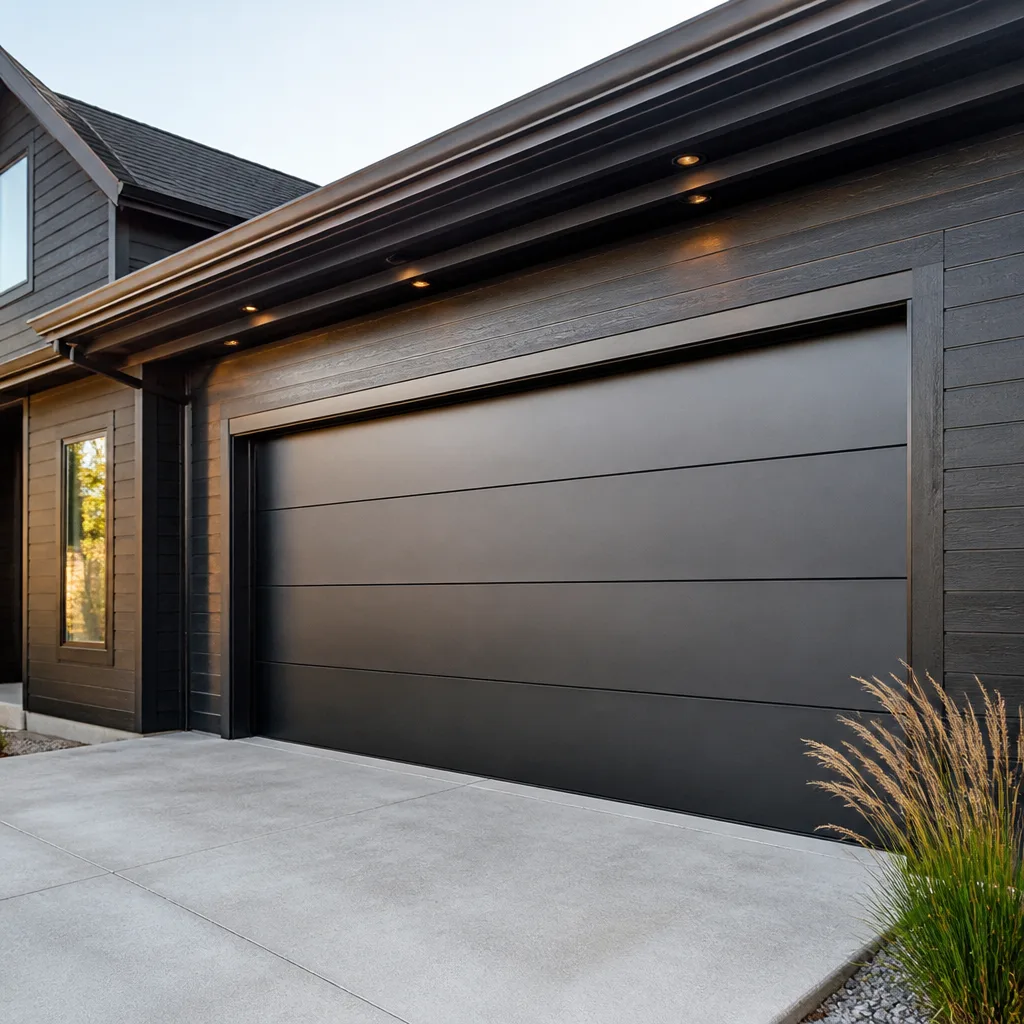 Modern flush
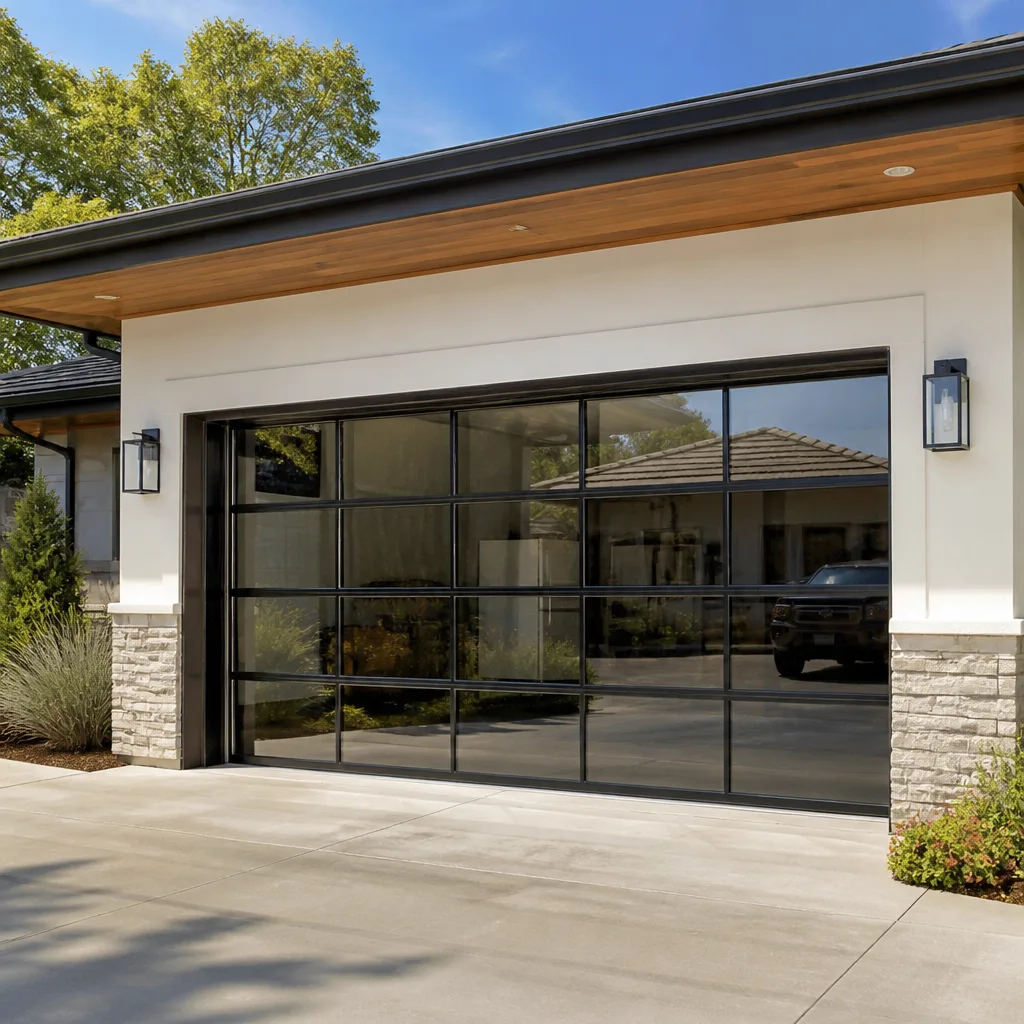 Full-view glass
 LiftMaster openers
 Chamberlain openers
Full 25-point door and opener safety check with every visit - springs, cables, rollers, tracks, and your LiftMaster or Chamberlain opener included
You get a price before we start. It does not change when the pro arrives.
Get your free estimateSeasonal Garage Door Care for Montgomery: Year-Round Homeowner’s Guide
Here’s a fact that surprises most homeowners: in Montgomery, spring is harder on your garage door than summer is. People assume the worst damage happens in July, when the heat is relentless, but the rapid temperature swings between March and May put more daily stress on metal springs than any other stretch of the year. Metal expands and contracts with each warm afternoon and cool night, and a torsion spring that holds steady through August may be the one that lets go in April. What follows is a practical, month-by-month guide to the maintenance that actually matters here, built around the real pattern of a Montgomery year: a long, humid summer, a short but genuinely cold winter, and two high-stress transition periods in between. You’ll learn what to inspect, when to adjust it, and how to build a 15-minute seasonal habit that catches most problems before they turn into failures.
Quick Answer
The most important garage door maintenance in Montgomery happens in spring and fall. Inspect and adjust your door in March and April before summer heat sets the year’s operational baseline, then check tension and lubrication again in October before temperatures drop. Summer calls for attention to opener performance and rubber seals; winter calls for battery backup checks and awareness of how cold snaps change spring tension. A 15-minute walk-around each season catches most problems before they become breakdowns.
Styles & brands we work with
- Raised-panel steel
- Carriage house
- Modern flush
- Full-view glass
- LiftMaster openers
- Chamberlain openers
Table of Contents
- Why Montgomery’s Climate Doesn’t Play by a Four-Season Rule
- Spring (March-May): The Highest-Stress Window for Your Door
- Summer: Heat, Humidity, and What They Do to Your System
- Fall: The Prep Most Homeowners Skip
- Winter: Cold Snaps, Spring Tension, and Battery Backup
- The 15-Minute Seasonal Walk-Around
- What to Lubricate, What to Leave Alone
- What Seasonal Care and Repairs Cost in Montgomery
Why Montgomery’s Climate Doesn’t Play by a Four-Season Rule
Most garage door maintenance advice you’ll find online is written for a northern climate, where the big enemy is prolonged freezing and the whole year divides neatly into four equal quarters. Montgomery doesn’t work that way. Summer here is long and humid, running from May into September, and it doesn’t just make you uncomfortable in the driveway. Humidity works on wood door components, warp and swelling, and heat cycles the opener motor through thousands of on-and-off runs. Winter is short but it does get genuinely cold, cold enough that metal springs behave differently than they do in October. And the two transitions in between, spring and fall, are where the real hardware stress lives.
The reason transitions matter so much is thermal cycling. Every time the temperature swings ten or fifteen degrees between afternoon and overnight, the springs, cables, rollers, and hinges on your door expand and contract a little. Each cycle is tiny. But a garage door opens and closes several times a day, every day, and the metal at the spring is under enormous tension the entire time. Over a season of daily swings, that adds up to the kind of wear that eventually produces a snap. Understanding this pattern is the difference between reacting to a broken door and preventing one.
Whatever brand sits on your home, whether it’s a Clopay panel or an Amarr door with a Chamberlain opener, the physics of expansion and contraction are the same. In our experience working on doors across Montgomery, the homes that get a simple seasonal check almost always need fewer emergency repairs than the ones that don’t.
Spring (March-May): The Highest-Stress Window for Your Door
Spring is when most garage door springs snap in Montgomery, and it’s not because the weather is warming up. It’s because the rapid back-and-forth between warm afternoons and cool nights puts more daily stress on the metal than any other time of year. A torsion spring that held steady all winter is suddenly expanding and contracting twice a day, and any fatigue that built up over the previous year picks this moment to give way. This is why an inspection in March or April is the single most valuable thing you can do for your door all year.
What to look at specifically in early spring:
- The spring itself. Look for gaps, a visible break, or a stretched section. If the door feels unusually heavy when you lift it by hand (with the opener disconnected), that’s a signal to stop and call a professional. Never try to adjust or replace a torsion spring yourself; these are under extreme tension and are genuinely dangerous to work on without training and the right tools.
- The balance test. Disconnect the opener, lift the door to about halfway, and let go. A balanced door stays put. A door that drifts down or shoots up is out of balance and needs adjustment.
- The rollers and hinges. Wiggle each roller in its bracket. Worn rollers wobble and make the door noisy; a quick inspection catches them before they score the track.
- The weather seal along the bottom. A cracked or flattened seal lets in water and pests through the summer, so replacing it now is easier than dealing with the consequences later.
- The opener’s force and travel settings. These are the limits that tell the opener how hard to push and how far to go. If they’ve drifted over the winter, the door may reverse unnecessarily or fail to close fully.
Spring is also when summer’s operating baseline gets set. If your door runs slightly out of balance going into May, it will run that way through the whole hot season, working harder every single day. Fixing it in April saves wear through August. For anything involving the springs, cables, or a door that won’t balance, it’s worth calling in a professional rather than pushing through; safety should come first. If you’d rather have a full inspection done, our garage door repair service covers the whole assembly.
Summer: Heat, Humidity, and What They Do to Your System
Summer in Montgomery doesn’t usually break the door outright. It wears on it slowly, and the effects show up in three places: the opener, the rubber seals, and any wood components. Knowing where to look means you catch the slow damage before it turns into a repair.
The opener. An opener motor working in a garage that hits triple digits on the inside runs hotter and more often than it should. Two things help: keep the opener’s vents clear of dust and cobwebs, and check that the door’s balance is right so the motor isn’t fighting a heavy door every cycle. If you notice the opener straining, making unfamiliar grinding sounds, or the door reversing on its own, that’s usually a sign the opener is compensating for a mechanical problem in the door itself. Our garage door opener repair team handles both the opener and the door, so we can trace the cause instead of swapping parts. Whether it’s a Genie or a LiftMaster unit, the diagnostic approach is the same.
The rubber seals. The bottom weather seal and the perimeter seals take the brunt of summer humidity. Rubber dries, cracks, and loses its flexibility under sustained heat, and once it loses its seal the garage becomes a humid space that rusts hardware and warps wood from the inside out. Run a hand along the bottom seal in July; if it’s brittle or has visible cracks, it needs replacing before it stops doing its job.
Wood components. If your door has wood frames or panels, the humidity will cause swelling, and swelling leads to sticking, binding, and paint failure. Keeping the wood sealed and painted is the real defense here. Any wood that’s already showing soft spots or peeling paint needs attention before the wet season arrives.
Fall: The Prep Most Homeowners Skip
Fall is the transition almost everyone overlooks. The summer heat has just finished working on your door, and winter cold is on its way, which means the hardware is about to shift behavior. Cold metal behaves differently than warm metal: springs get less pliable, grease thickens, and a door that felt perfectly balanced in August can feel heavy and sluggish by December. Checking tension and lubrication in October, before the first real cold snap, is what most homeowners never get around to doing.
What fall prep involves:
- Re-check the balance using the same disconnect-and-lift test from spring. If the door drifted out of balance over the summer, now is when to correct it, before the cold makes it worse.
- Inspect the springs and cables again. Look for any signs of wear from the summer season: worn coils, frayed cables, or any loosening you can see. This is the time to catch a problem early, not after it fails on a cold morning.
- Lubricate the moving parts. A proper garage door lubricant on hinges, rollers, and the spring’s bearing plates keeps things moving smoothly when the temperature drops.
- Clear the tracks and the driveway approach. Debris that built up over summer, along with the usual yard material that finds its way into tracks, should be cleared before it causes a jam. Making sure the area under the door is clear of leaves and yard waste also prevents the door from reversing on something it shouldn’t.
- Test the safety reverse. Place a small object in the door’s path and confirm it reverses. This should be checked every season, but it’s especially worth confirming before winter when you’ll want it working reliably.
Fall prep is largely the same procedure as spring, which is the point: the same 15-minute check twice a year catches most problems. Check our Montgomery guide for more on how local conditions shape garage door care around the city.
Winter: Cold Snaps, Spring Tension, and Battery Backup
Montgomery doesn’t freeze the way northern climates do, so you don’t need to worry about a door frozen solid to the ground for weeks at a time. But winter here does bring genuine cold snaps, and they affect two parts of your system in ways that catch homeowners off guard: the springs and the opener’s battery backup.
Spring tension in cold snaps. Cold metal is less springy than warm metal, so a spring under the same load behaves differently in January than it does in October. A door that was perfectly balanced in fall may feel heavier in a cold snap, and the opener has to work harder to lift it. If your door suddenly sounds different or struggles on a cold morning, don’t force it; that’s a sign the spring needs a professional look. Never tighten or adjust a spring yourself, cold or not, because the tension in that spring is dangerous. If you’re unsure whether the door is just stiff or actually strained, it’s worth having a technician check.
Battery backup systems. Many modern openers, from brands like Chamberlain and Genie, include a battery backup that keeps the door working during a power outage. Winter is when backup batteries tend to fail, because cold reduces a battery’s capacity. Test the backup before winter if your opener has one, and replace the battery if it’s not performing. A battery backup that fails during a winter storm is worse than no backup at all, because you’ve relied on it. If your opener is older or doesn’t have a backup and you want one, that’s a conversation worth having.
The 15-Minute Seasonal Walk-Around
You don’t need to become a garage door expert to catch most problems early. You need a simple, repeatable habit. Do this walk-around four times a year, in roughly March, June, September, and December, and you’ll be covering the transition periods and both seasons. It takes about 15 minutes once you know the routine.
- Listen. Open and close the door with the opener and just listen. Grinding, rattling, squealing, or a sudden bang are your first signals. Note what sounds different from last time.
- Look at the springs. Check for visible gaps, breaks, or worn coils. If you see one, stop using the door and call a professional.
- Check the balance. Disconnect the opener, lift the door to halfway, and let go. It should stay put. If it drops or rises, it needs adjustment.
- Wiggle the rollers. Loose or worn rollers wobble in their brackets. A quick wiggle tells you their condition.
- Run a hand along the bottom seal. Feel for cracks, brittleness, or flattening. It should be pliable.
- Clear the tracks and the door path. Wipe down the tracks and make sure nothing is in the way of the door.
- Test the safety reverse. Put a small object in the door’s path and confirm it reverses.
- Look at the opener. If your opener has a battery backup, test it. Check that vents are clear. Listen for any strain.
This routine is where the 80% figure comes from: most garage door failures are mechanical problems that were visible or audible weeks before they happened. A homeowner who does this four times a year catches almost all of them at the squeak-and-wiggle stage instead of the broken-spring stage. If you’d rather not do the inspection yourself, or you want a second opinion on something you’ve found, Lakeside Garage Door Service can do a full check of the door and the opener together.
What to Lubricate, What to Leave Alone
Lubrication is one of those things where a little knowledge helps and a little more causes problems. The right approach is to lubricate the moving parts that need it and leave the rest alone. Here’s the practical guide:
- Lubricate: the hinges, the rollers (at the point where they meet the track), and the torsion spring’s bearing plates. Use a garage door lubricant, not thick grease or general-purpose oil.
- Lubricate: the opener’s chain or rail, following the manufacturer’s instructions. Too much is worse than too little here.
- Leave alone: the tracks. Tracks should be clean and dry; lubricant attracts dust and grit, which causes the rollers to stick. Clean them with a rag, not oil.
- Leave alone: the springs’ coils themselves. Oiling the coils doesn’t help and can attract dirt. The bearing plates are what need attention.
- Check first: the opener’s moving parts, since some components are sealed and shouldn’t be lubricated at all.
The clean-and-lubricate routine takes about ten minutes and is worth doing at the start of each season. In Montgomery, the summer humidity makes proper lubrication more important, not less, because the moving parts need to work smoothly when they’re hot and the air is wet.
What Seasonal Care and Repairs Cost in Montgomery
Seasonal care itself is almost free once you have the routine, so the real question for most homeowners is what it costs when the walk-around turns up a problem. These are typical ranges for the Montgomery market; the written estimate sets the final price, and it’s quoted and agreed before any work starts.
| Item | Typical Estimated Cost |
|---|---|
| Seasonal inspection and tune-up | Free to modest |
| Bottom weather seal replacement | Low hundreds (materials and labor) |
| Roller and hinge replacement | $150-$300 |
| Torsion spring replacement (single spring) | $180-$340 |
| Matched pair of springs (usually replaced together) | About twice the single-spring range |
| Opener battery backup replacement | $75-$180 |
| Opener repair (diagnosis and fix) | Varies by model and fault; written estimate before work |
A few things about how pricing works here. If your door has a matched pair of springs, they’re usually replaced together, so the pair costs about twice the single-spring range. That’s not an upsell; it’s how the door is designed, and replacing one spring of a pair tends to strain the other. The estimate is free, the written estimate is the price, and nothing begins until you’ve agreed to it. For any question about what a specific job will cost, call (888) 688-3641 for an exact quote. Estimates are free.
Common Mistakes to Avoid
- Ignoring the spring until it breaks. Spring fatigue is gradual and visible for weeks before a failure. In Montgomery’s high-stress spring window, that evidence is easy to miss, so look every time you do the walk-around.
- Oiling the tracks. It’s the most common lubrication mistake. Tracks should be clean and dry; oil attracts grit that makes rollers stick.
- Skipping fall prep. Autumn is the transition most people never think about, yet it’s when you should be checking tension before the cold arrives. A door that’s balanced in October runs much better in January.
- Testing a door that’s visibly broken. If a spring is snapped or a cable is frayed, don’t run the opener to “see if it gets better.” It won’t, and repeated operation of a compromised door can cause further damage.
- Forgetting the opener’s battery backup. Checking it before winter is one of the easiest things you can do, and it’s almost always skipped. A backup that doesn’t work defeats the whole point.
- Assuming summer is the hardest season. Heat is hard on the motor and seals, but the spring is under the most stress during spring’s temperature swings. Understanding the difference keeps you ahead of the real problem.
- Treating a noisy door as normal. Grinding, squealing, and rattling are signals that something needs attention. A quiet door is a healthy door.
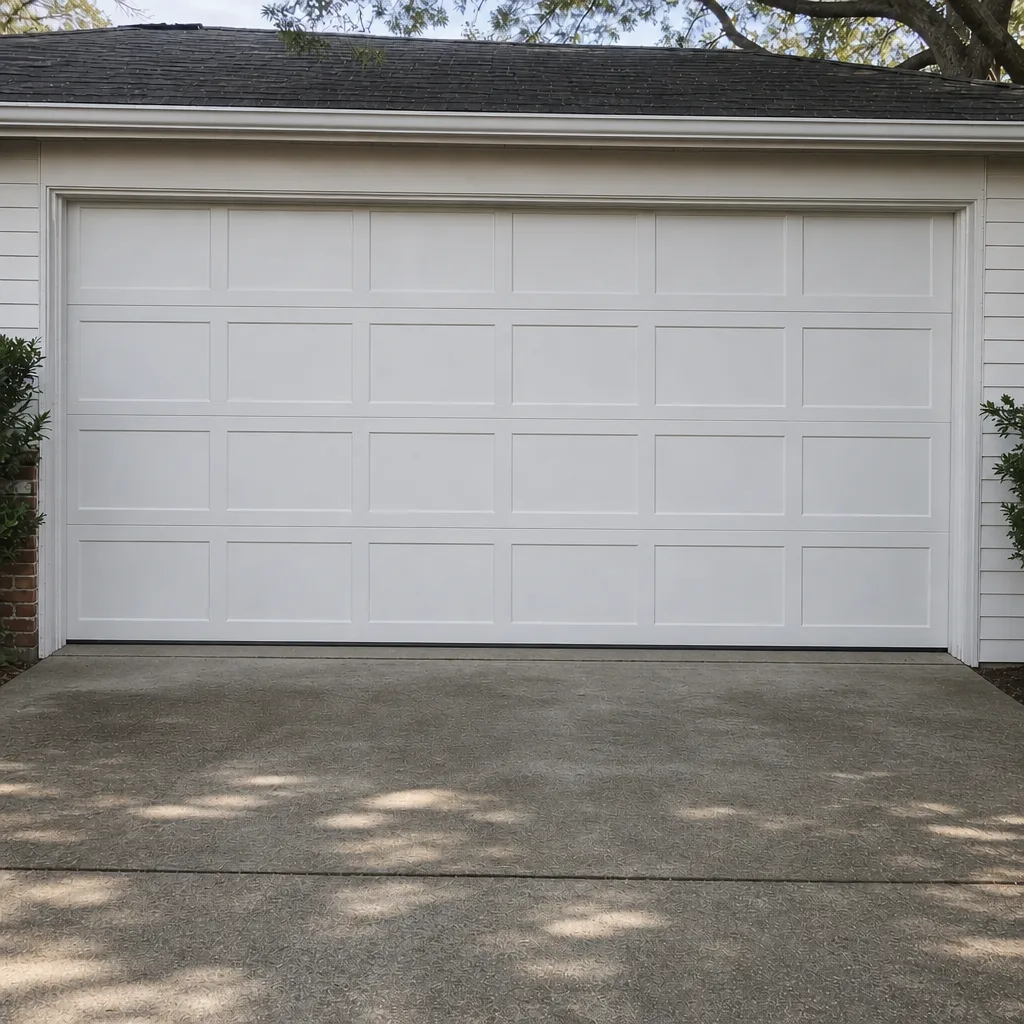
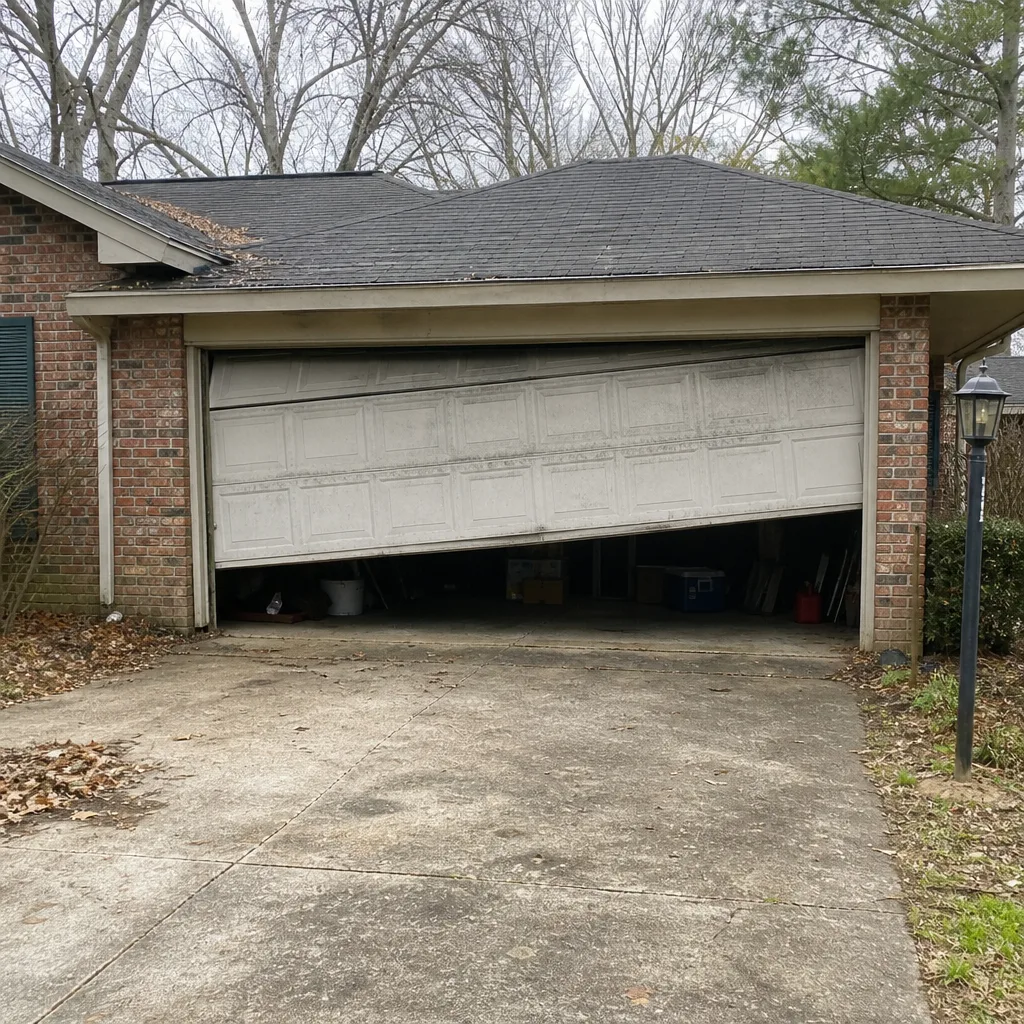
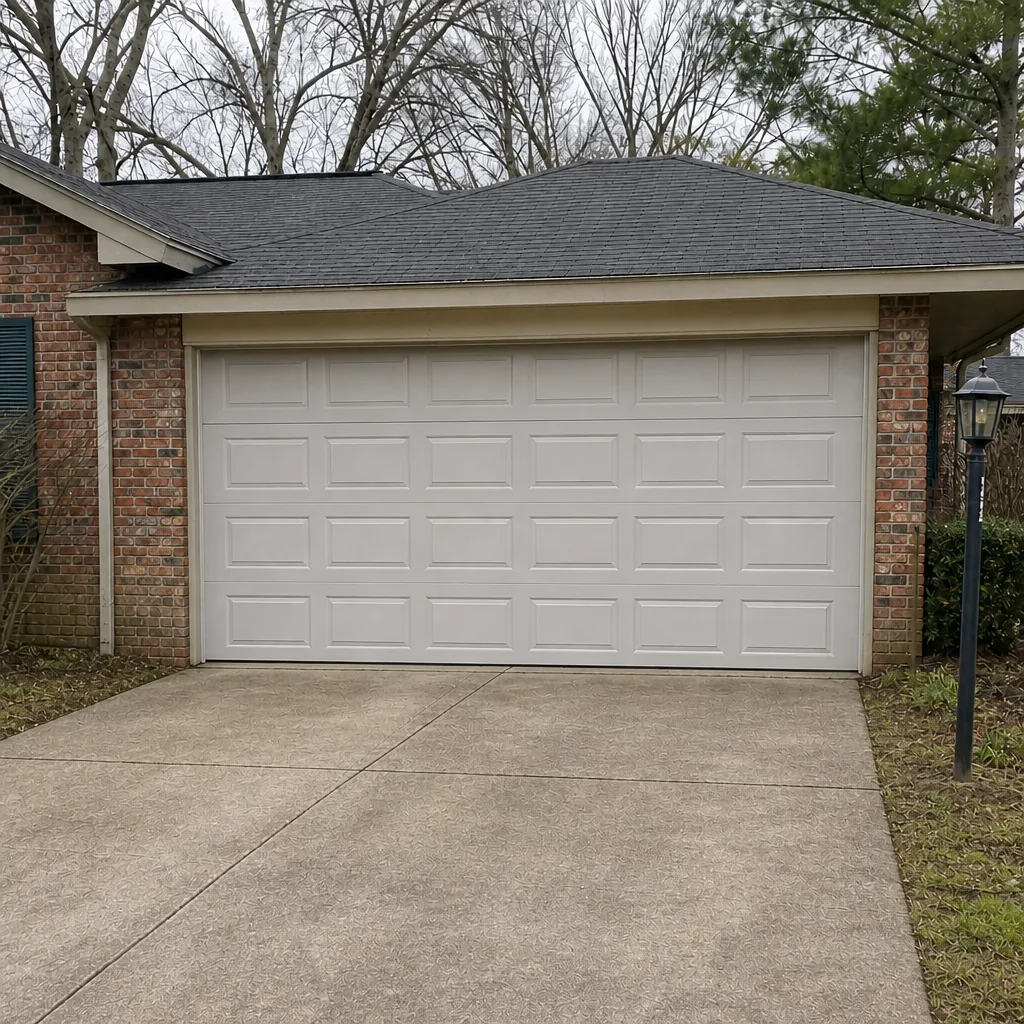
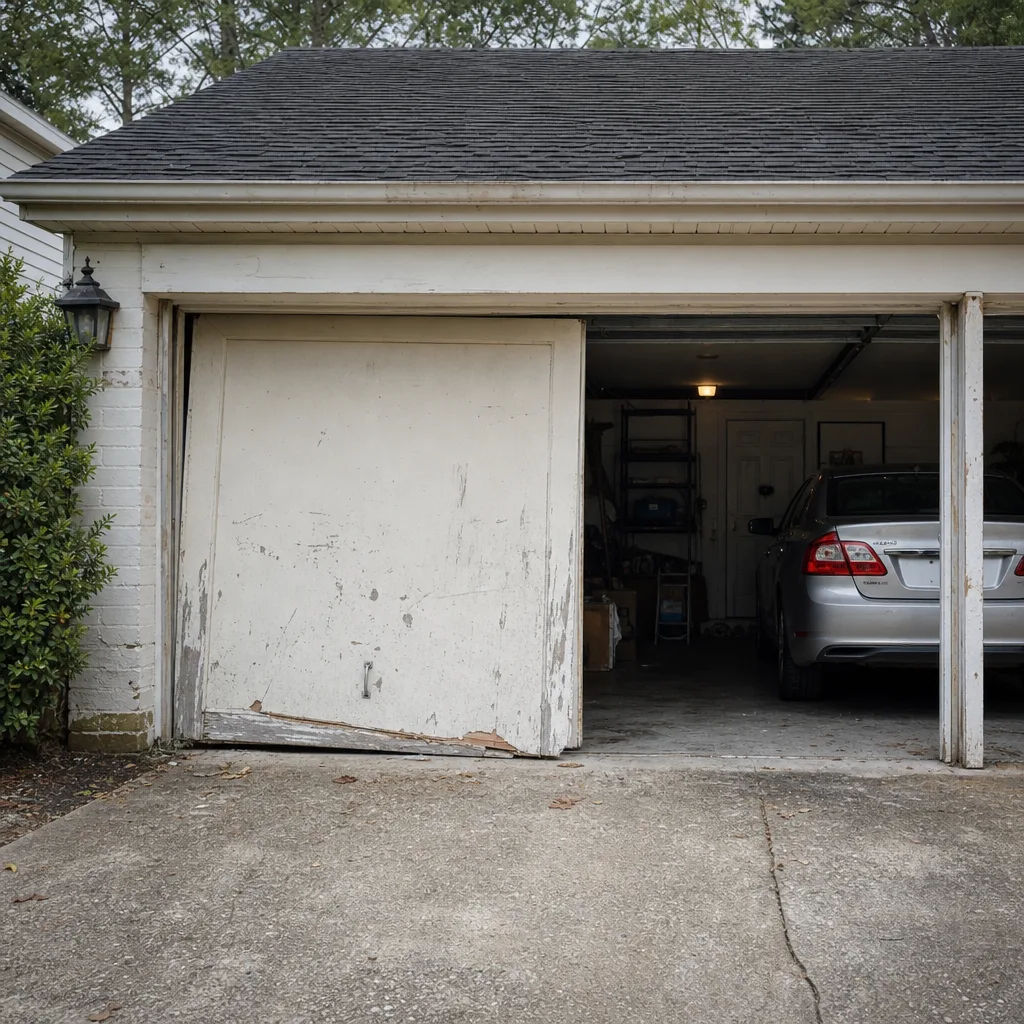
See the difference
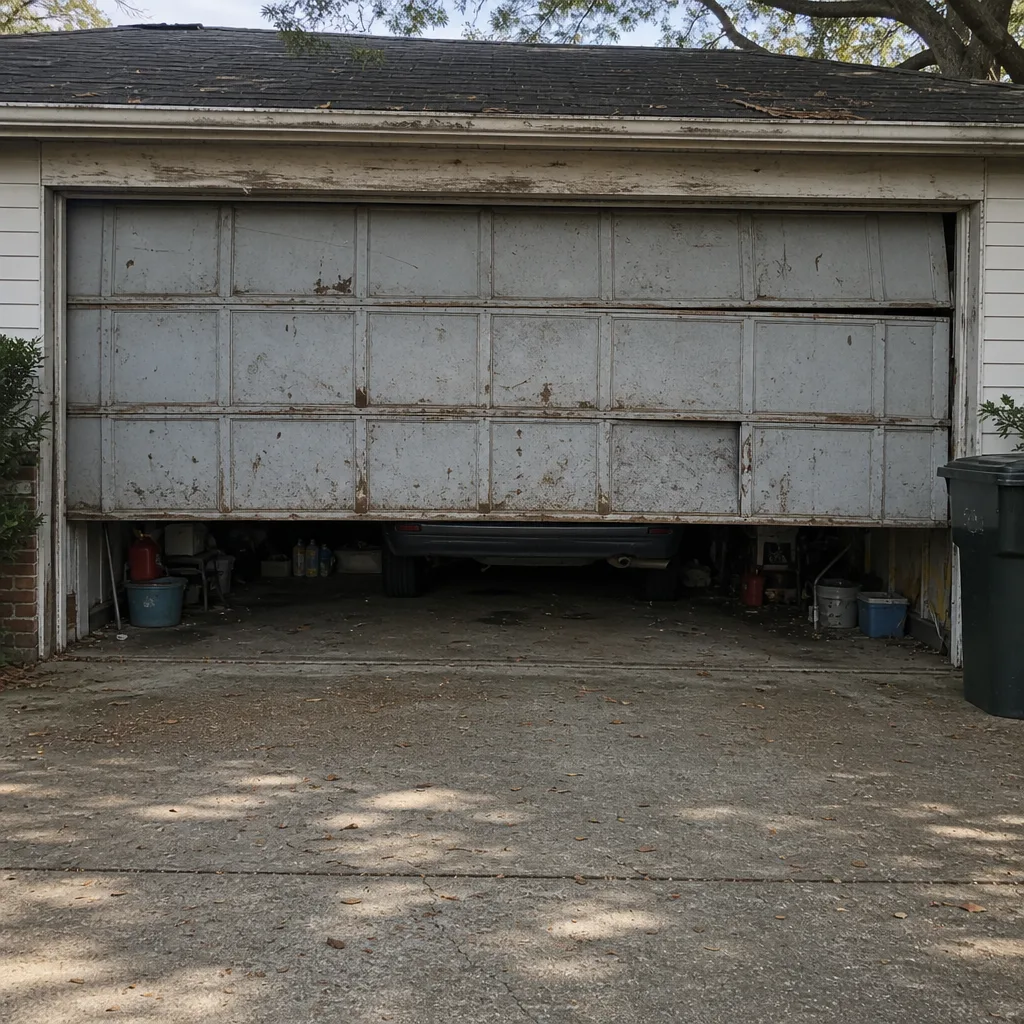 Before
 After
 Before
 After
 Before
 After
When to Call a Professional
Some maintenance is well within reach for a homeowner, and this guide is built around helping you do that part. But there are clear situations where the right move is to stop and call in someone with the tools and training. A broken or visibly damaged spring, a frayed cable, or a door that won’t balance after adjustment are all jobs that involve dangerous tension, and working on them yourself risks serious injury. A door that reverses or binds dangerously, an opener that strains or makes unfamiliar noises, and any door that won’t close fully all belong to the same category. If you’re not sure whether you’re looking at a real problem, a professional can tell you quickly without wasting your time.
Lakeside Garage Door Service offers free estimates in Montgomery. Our technicians have up to 8 years of experience, and we work on the brand already on your home, covering both the door and the opener. Call (888) 688-3641 for a free estimate. We answer 24/7, with fast dispatch from 7am to 7pm, Sunday through Friday.
Frequently Asked Questions
Twice a year is the practical answer: once in spring and once in fall. The spring service gets the year’s operating baseline right before the humid summer, and the fall service checks tension and lubrication before the cold arrives. If you do the 15-minute walk-around four times a year, you’re ahead of most homeowners, and a professional check every season or two is a good addition. Call (888) 688-3641 for an exact quote. Estimates are free.
Because the temperature swings between March and May put more daily stress on the metal than any other time of year. Each warm-afternoon, cool-night cycle expands and contracts the spring a little, and accumulated fatigue tends to give way during that stretch. The spring isn’t at its best in the middle of the year; it’s at its most stressed in the transition. If you notice spring trouble, call (888) 688-3641. Estimates are free.
Not the way it does in northern climates, because Montgomery doesn’t get prolonged hard freezes. But cold snaps do change how stiff the springs feel and reduce the capacity of the opener’s battery backup, so winter care is about checking tension and testing the backup rather than clearing ice from the door. If you’re not sure whether the door is stiff or strained, call (888) 688-3641. Estimates are free.
A simple inspection is free to modest in price, and serious repairs run higher. A single torsion spring replacement typically runs $180-$340, and a matched pair costs about twice that since the pair is replaced together. The written estimate sets the final price, and it’s quoted before any work starts. Call (888) 688-3641 for an exact quote. Estimates are free.
Yes. Our technicians cover both the door assembly and the opener, which means one visit rather than two separate calls. That matters most when the symptom, like an opener straining, actually starts with the door rather than the opener. If you’re not sure which part is at fault, call (888) 688-3641. Estimates are free.
No. The written estimate sets the price, and nothing changes unless you agree to it. That’s true whether the job turns out to be a simple roller replacement or a full opener repair. What we won’t do is start work before the number is clear. Call (888) 688-3641 for an exact quote. Estimates are free.
The Bottom Line
Garage door care in Montgomery isn’t about four equal seasons. It’s about a long, humid summer that works on your opener and seals, a short but real winter that changes how your springs behave, and two transition periods, spring and fall, that put the most stress on the hardware. Spring inspection and adjustment come first, because that’s where the year’s operating baseline is set and where most spring trouble happens. Fall comes second, catching the tension and lubrication before the cold. Summer is about heat and humidity; winter is about battery backup and cold-snap tension. A 15-minute walk-around four times a year catches most of this before it becomes a repair. And when something is beyond a homeowner’s level, that’s what we’re here for.
If your door is making noises it didn’t make last season, if the balance test doesn’t pass, or if you’d simply rather have a professional give it a look, call (888) 688-3641. We answer 24/7, with fast dispatch from 7am to 7pm, Sunday through Friday. Estimates are free and the price is quoted before any work starts. And for any brands in the eight we cover, from Chamberlain openers to Clopay and Amarr doors, we work on the brand already on your home.
Written by the team at Lakeside Garage Door Service.