
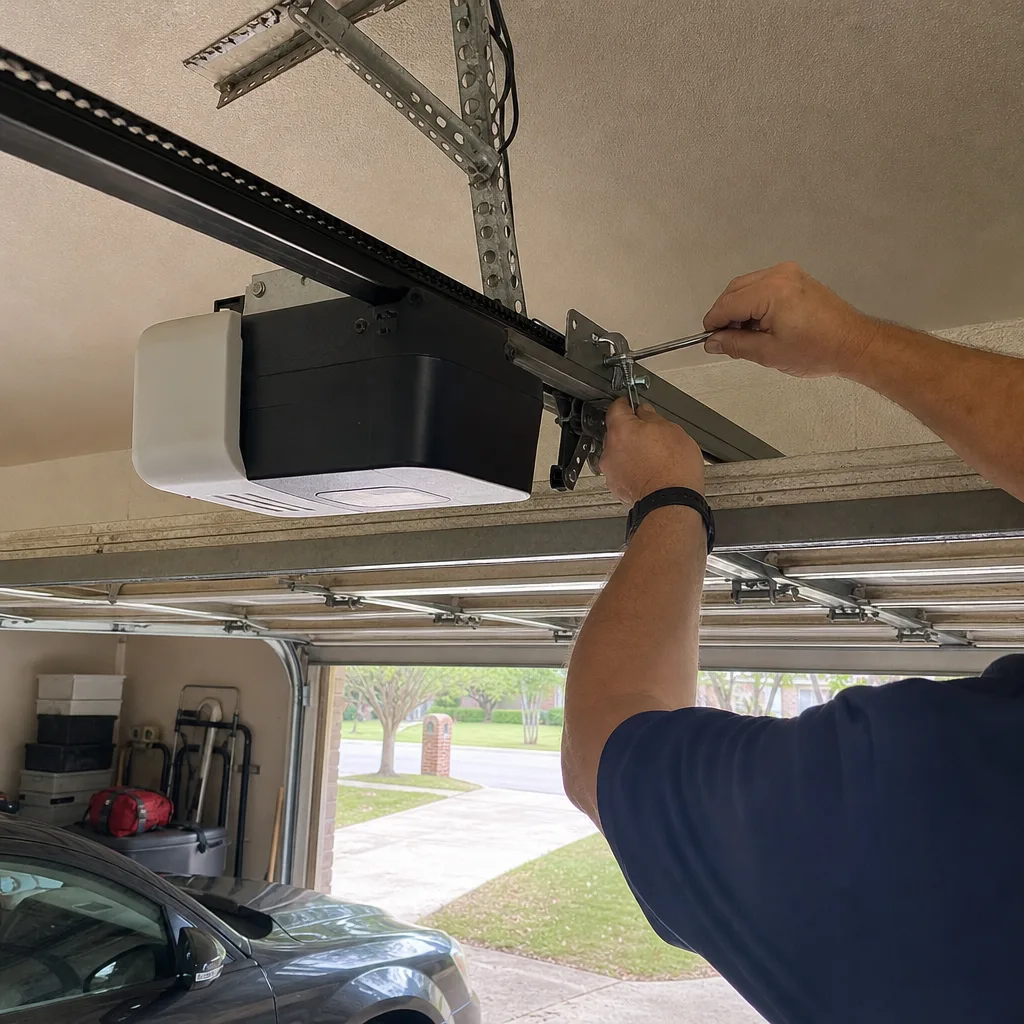
Last updated November 15, 2026
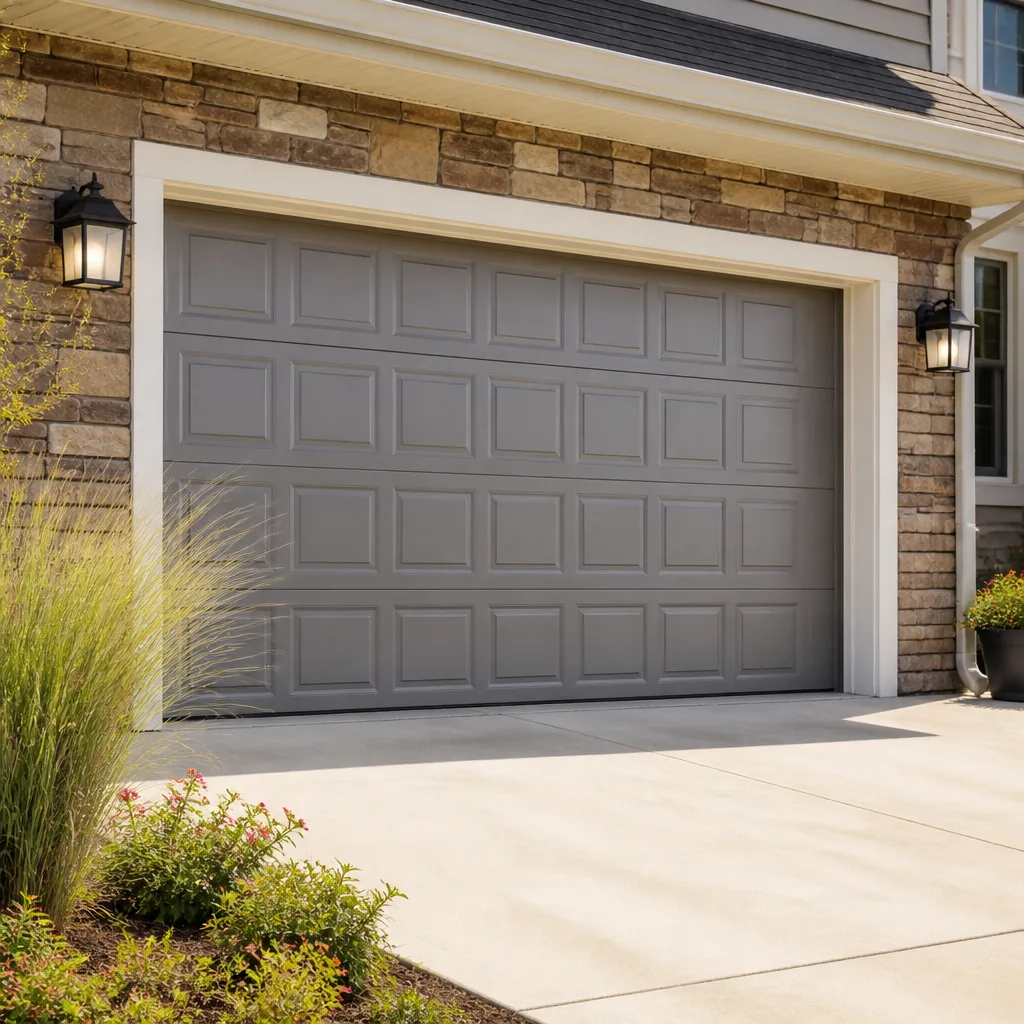 Raised-panel steel
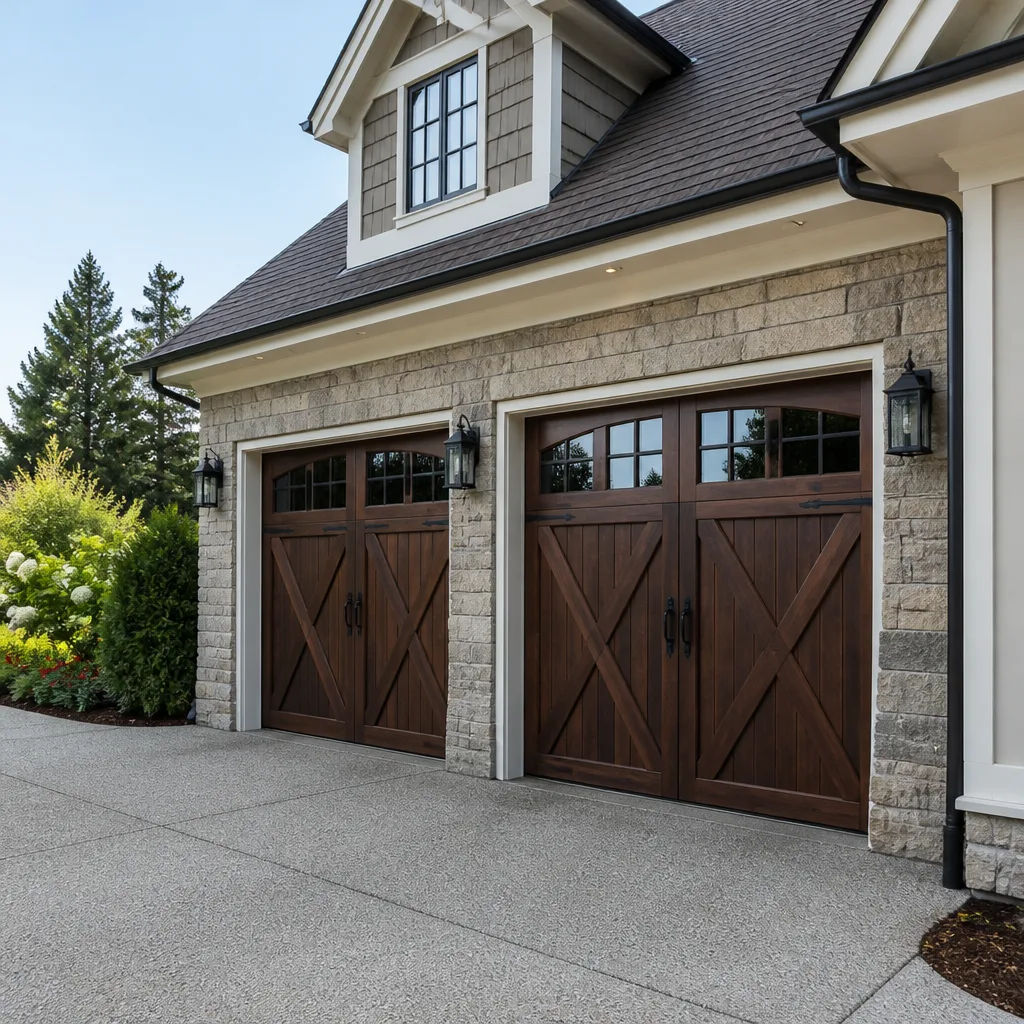 Carriage house
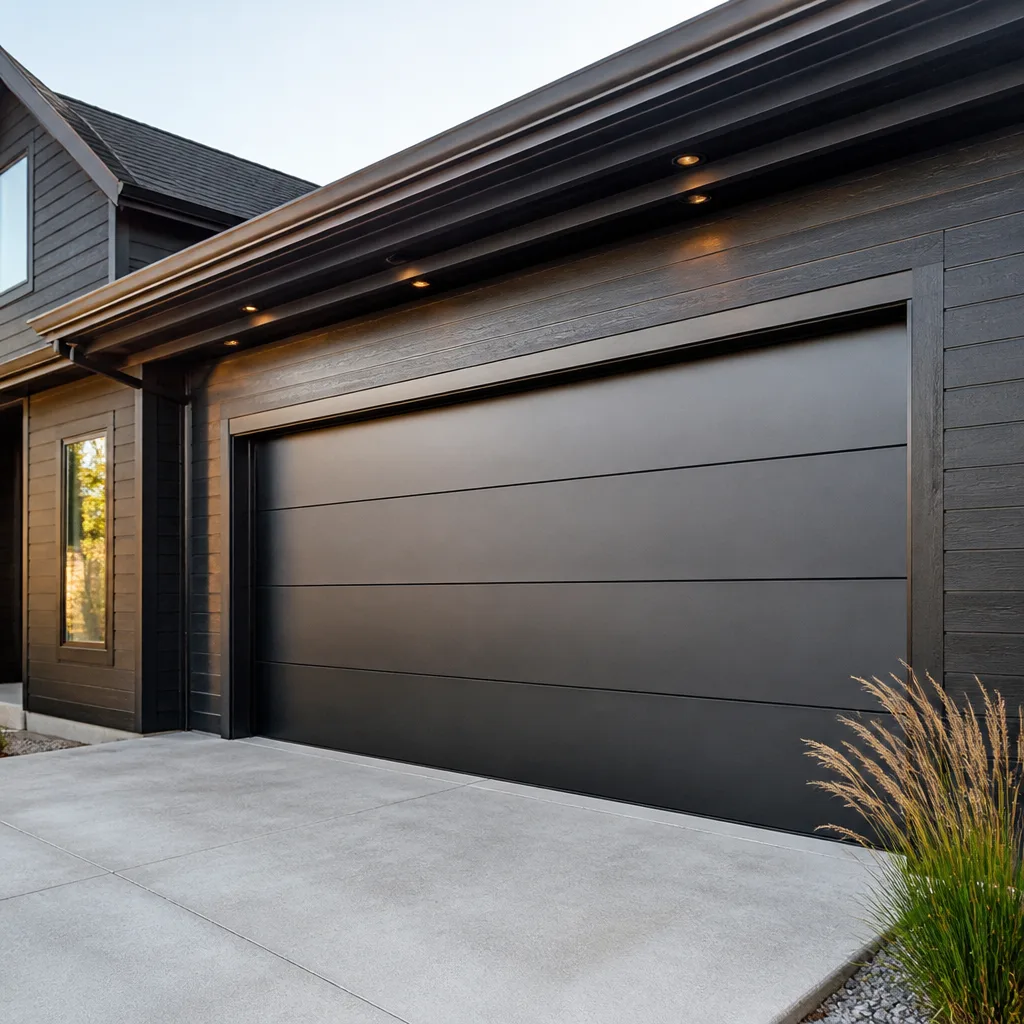 Modern flush
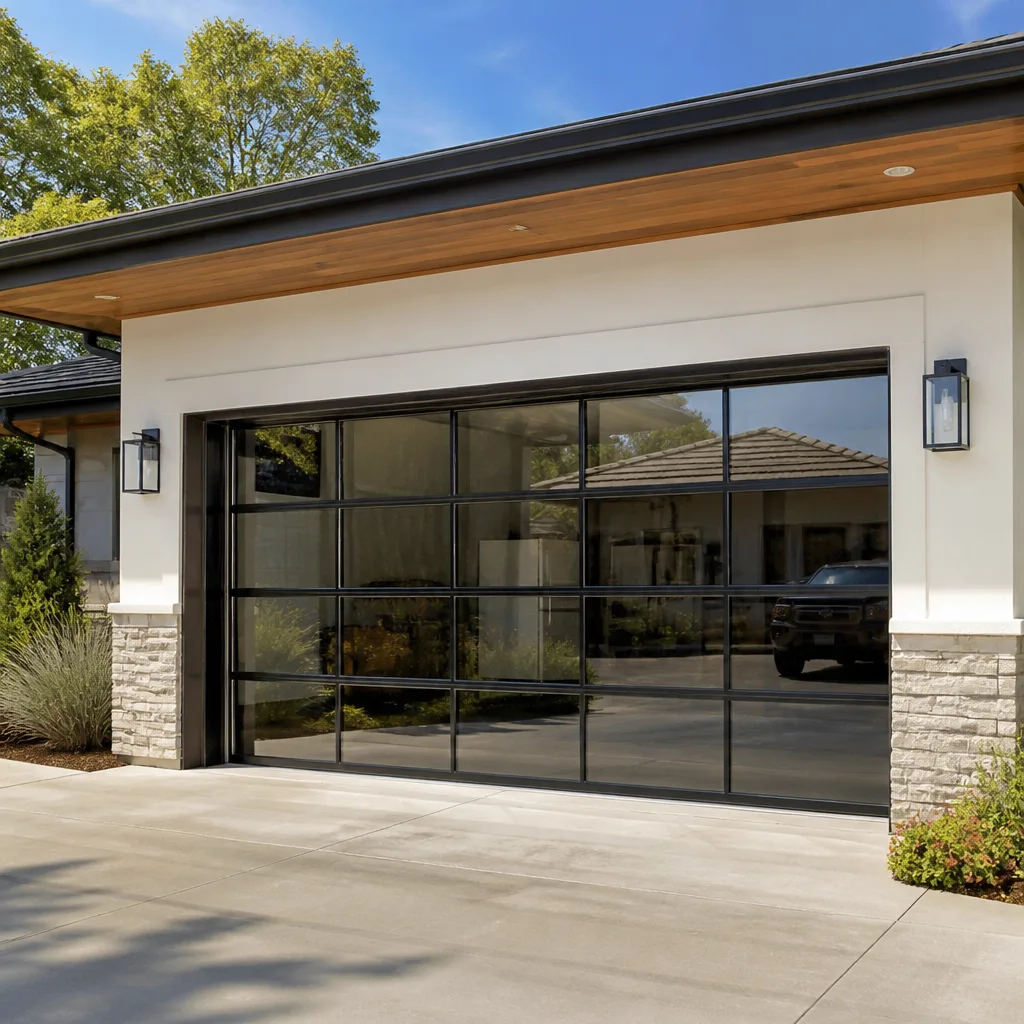 Full-view glass
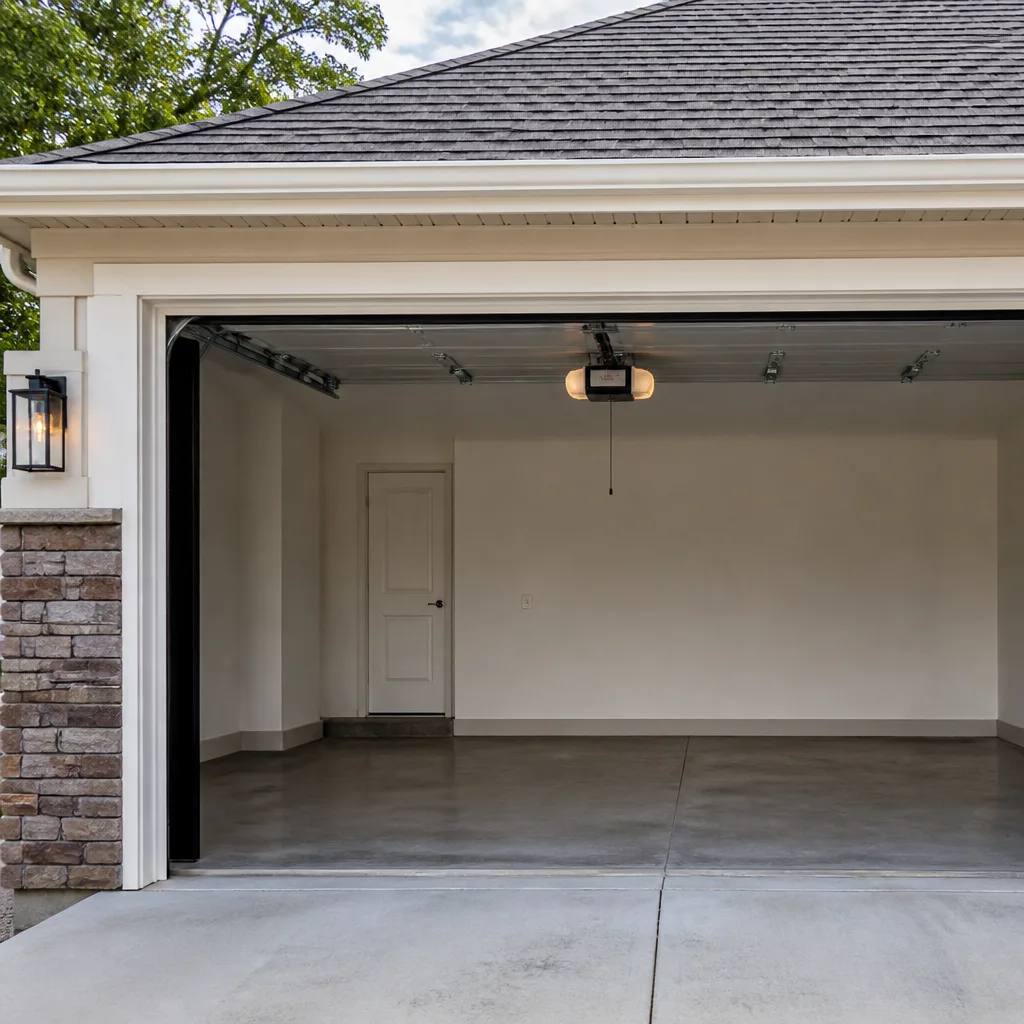 LiftMaster openers
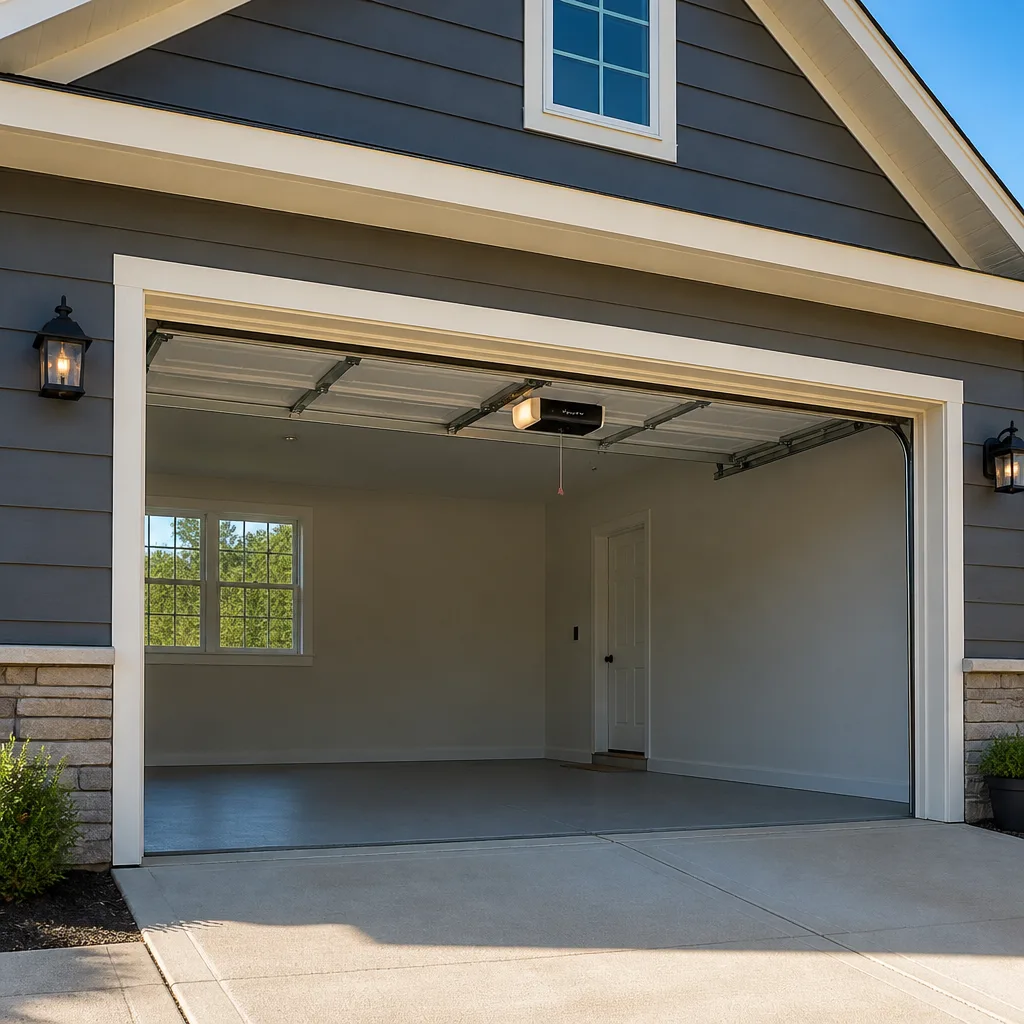 Chamberlain openers
Full 25-point door and opener safety check with every visit - springs, cables, rollers, tracks, and your LiftMaster or Chamberlain opener included
You get a price before we start. It does not change when the pro arrives.
Get your free estimateThe Complete Guide to Garage Doors in Montgomery
Most Montgomery homeowners replace a garage door on price alone, then spend the next decade fighting rust along the bottom panel, panels that have warped out of line, or an opener that strains every time the heat climbs back into the high nineties. None of that shows up on a quote sheet. It shows up two summers later. A ten-minute conversation about how this city’s heat and humidity actually treat each material would have prevented most of it. This guide covers what those conversations should include: how climate shapes material choice, how Montgomery’s housing eras change what fits, when to repair rather than replace, and when a repair on the door is really an opener problem. Montgomery homes sit in a hot, wet climate with a long cooling season, and the door decisions that work here are not the same as the ones that work in Phoenix or Minneapolis.
Quick Answer
Choosing a garage door in Montgomery comes down to three things: pick a material that tolerates heat and humidity without warping or rusting (insulated steel or aluminum are the usual answers, wood composite needs more care), confirm the opening and header clearances on your specific house before ordering, and find out from the city’s building department whether your project needs a permit before work starts. Most door problems in Montgomery trace back to heat, humidity and age rather than to the brand, and the fix is often a repair or an opener replacement rather than a whole new door.
Styles & brands we work with
- Raised-panel steel
- Carriage house
- Modern flush
- Full-view glass
- LiftMaster openers
- Chamberlain openers
Table of Contents
- How Montgomery’s Heat and Humidity Affect Door Materials
- Door Sizing Across Montgomery’s Housing Eras
- Repair or Replace? The Honest Math
- When the Door Problem Is Really an Opener Problem
- Permits and Code: What Montgomery Requires
- Brand Fluency and Why It Matters
- A Seasonal Check for Montgomery Homeowners
- What Garage Door Work Typically Costs in Montgomery
How Montgomery’s Heat and Humidity Affect Door Materials
Montgomery’s climate is the single biggest factor in which garage door material makes sense. Summers run hot and sticky, and the humidity does not let up for months. A garage in this city is not a dry, shaded box. It heats up through the day, holds moisture, and cools slowly at night. That cycle repeats for most of the year, and it works on door materials in specific, predictable ways.
Here’s how the main options hold up:
- Insulated steel: The most common choice in Montgomery, and for good reason. Steel resists warping and holds its shape through heat cycles. The weak point is moisture along the bottom edge and the panel seams. Galvanized or factory-painted steel with a proper bottom seal lasts well here; bare or poorly finished steel rusts at the base within a few seasons.
- Aluminum: Lighter than steel and will not rust, which makes it a good fit for humid air. It dents more easily and offers less insulation, so it suits milder openings or doors where weight matters.
- Wood composite: Looks the way people expect a wood door to look, and composites handle humidity better than solid wood. They still need periodic sealing and attention to the bottom edge, where standing moisture collects.
- Fiberglass: Resists moisture and rot and won’t dent like metal. It can fade in strong sun, and the finish quality varies a lot between manufacturers, so it pays to look closely at the surface layer.
In our experience, the material question in Montgomery comes down to maintenance appetite more than budget. Steel and aluminum ask the least of a homeowner in this climate. Wood composite and fiberglass are worth it when the look matters, as long as you’re ready to keep the finish up. Whichever you choose, a good bottom seal and a clear drainage path under the door prevent more damage here than any single material upgrade.
Door Sizing Across Montgomery’s Housing Eras
Montgomery’s housing stock spans nearly a century of building styles, and the door opening tells you which era you’re standing in front of. Door sizing, header clearance, and even which opener fits all change with the age of the house. This is one of the most overlooked parts of buying a new door, and it’s the reason a measurement taken over the phone is never enough.
- Post-war bungalows and mid-century homes: These often have single-car openings that are narrower or shorter than modern standard sizes, and shallow headroom above the opening. Headroom matters because it determines whether a standard opener fits or you need a low-clearance setup. Measure the opening exactly and check the space above the door’s highest point before choosing.
- 1970s and 1980s subdivisions: Double-car openings became standard here, and many of these homes were built with thinner walls and less structural bracing around the opening. That affects how a heavier insulated door hangs and how the springs need to be sized.
- Newer Eastchase-area builds and recent construction: These usually follow current standard opening dimensions, so off-the-shelf sizes often work. The catch is that builders sometimes finish the garage interior tightly around the opening, leaving little clearance for track and spring hardware. A door that fits the hole may still need hardware adjustments.
The practical takeaway is simple: measure the opening, the headroom, and the side clearance before you order anything, and do it on your own house. A door that arrives the wrong size is a costly mistake, and it’s avoidable with a proper on-site measure. If you’d like a hand confirming what your opening will take, our garage door repair team can measure and advise on sizing before you commit to a purchase.
Repair or Replace? The Honest Math
Most Montgomery homeowners facing a door problem assume replacement is the only real option. That’s rarely true. The honest math comes down to three questions: what’s actually broken, how old is the rest of the system, and what will the next few years cost if you repair now versus replace.
Repair usually wins when:
- A single spring, cable, roller, or hinge has failed and the panels are still straight and structurally sound.
- The opener is the problem and the door itself is in good shape. An opener replacement is far cheaper than a new door and often solves the whole issue.
- The door is out of alignment or noisy but the panels aren’t damaged.
- The door is dented in one section and the manufacturer still supplies matching panels.
Replacement usually wins when:
- Multiple panels are warped from heat or water damage, or the bottom section has rusted through and the damage has spread.
- The hardware is failing across the board and the door is past its useful life, so you’d be replacing parts piecemeal for years.
- You’re changing material, insulation, or size, which a new door handles in one step.
- The door is unsafe: broken spring with a compromised track, bent panels that bind, or a door that won’t stay balanced.
The math that matters is total cost over the next several years, not the price of the first repair call. A door with one failed spring on solid panels is a straightforward fix. A door with a warped bottom section, rusted seams, and a struggling opener is a system at the end of its life, and patching it piece by piece costs more than a new door over time. If you’re unsure which side of that line you’re on, a free estimate in Montgomery will tell you plainly. We’d rather repair a door that still has years in it than sell you one that doesn’t need replacing.
When the Door Problem Is Really an Opener Problem
Many garage door problems that look like door problems are actually opener problems, and vice versa. The door and the operator are one system, and treating them as separate is how homeowners end up paying twice. A door that reverses for no clear reason, an opener that strains and stops halfway, or a remote that only works up close can each come from either side of the system. Here’s how the two connect.
The opener pulls against the door’s springs, balance, and track. If the door is out of balance, the opener works harder than it should, and over months in Montgomery heat that extra strain wears out the motor, the gear, or the logic board. Replace the opener without fixing the balance and the new unit inherits the same problem. Ignore a failing opener and it can damage the door’s hardware on the way out.
When a system is diagnosed properly, the technician checks all of these together:
- Test the door by hand. A balanced door lifts with modest effort and stays where you leave it. If it drops or fights you, the springs or balance are the issue, not the opener.
- Check the opener’s behavior. Reversing, straining, or stopping mid-travel points to force settings, travel limits, the safety sensors, or a failing motor.
- Inspect the track and rollers. Binding or misaligned track makes any opener work harder and can trigger false safety reversals.
- Check the springs and cables. These carry the door’s weight. A weak or broken spring is a safety issue, not a DIY job.
- Match the fix to the brand. A Craftsman opener and a LiftMaster opener don’t share the same troubleshooting steps, and knowing the brand already on your home saves a lot of guesswork.
This is why a full-system specialty matters. If you call an opener specialist who doesn’t touch the door, or a door company that doesn’t service openers, you get half a diagnosis. Our garage door opener repair service covers the whole system so the root cause gets fixed, not just the symptom.
Permits and Code: What Montgomery Requires
Permit rules catch homeowners by surprise mid-project, so it’s worth knowing the general picture before you order a door. The short answer: some garage door work needs a permit and some doesn’t, and the only authority on your specific project is the City of Montgomery’s building department. Call them before work starts. It takes a few minutes and saves the risk of an inspection problem later.
In general terms, like-for-like replacements and repairs usually don’t require a permit, because you’re replacing a component with something equivalent. Work that changes the structure, the opening, or the electrical side is more likely to need one. That includes:
- Changing the size of the opening or altering the header, which is structural work.
- New construction or a garage addition where the door opening is part of the build.
- Electrical work for a new opener circuit, which may fall under electrical permitting rules separate from the door itself.
- Changes to the wall or framing around the opening to accommodate a different door.
We can’t tell you whether your specific address needs a permit, and anyone who claims to without asking the city is guessing. What we can do is tell you what the project involves structurally, so you know what to ask the building department when you call. Ask specifically whether a like-for-like replacement needs a permit and whether any electrical work on the opener needs separate sign-off. Get the answer in writing if you can. It’s the difference between a clean project and a costly surprise at resale or inspection.
Brand Fluency and Why It Matters
Garage doors and openers are not interchangeable. Each brand has its own parts, adjustments, and quirks, and a technician who works on all of them regularly diagnoses faster and makes fewer return trips. That’s the difference between a fix that holds and a fix that needs a second visit.
We’re factory-familiar with eight major brands: LiftMaster, Chamberlain, Genie, Clopay, Amarr, Wayne Dalton, Craftsman, and Raynor. In practice, that means whether it’s a LiftMaster opener that won’t respond or a Clopay panel that’s out of line, we’re working with the system that’s actually on your house, not a generic stand-in. A Chamberlain opener and a Genie opener have different sensor and travel-limit setups, and the adjustment steps aren’t the same. Knowing the brand and its service history cuts down on guesswork and on parts that don’t fit.
Brand-agnostic service also means the recommendation fits your setup and budget, not a product line we’d rather sell. We don’t have an incentive to steer you toward a particular brand, and that shapes the advice. Sometimes the right call is a part that matches what’s already there. Sometimes it’s upgrading the opener because the door’s weight has changed. Sometimes it’s a Clopay panel that matches the existing door rather than a whole new section.
When you call, having the brand and model handy helps, though it’s not essential. We can identify the system on-site. If you’re weighing a replacement door and want to know which brands fit your opening and budget, start with a look at our main Lakeside Garage Door Service page, then we’ll talk through the options in person.
A Seasonal Check for Montgomery Homeowners
Garage doors in Montgomery take a beating from heat and humidity, and a simple seasonal check catches most problems before they become expensive. The goal isn’t to repair anything yourself, especially not springs or cables. It’s to notice what’s changing and get it handled early.
- Test the balance by hand. With the door closed, disconnect the opener and lift the door halfway. It should stay put with little effort. If it drops or fights you, the springs or balance need attention. Don’t try to adjust springs yourself; they’re under high tension and dangerous to work on.
- Listen for new sounds. Grinding, squealing, or a rhythmic thump that wasn’t there last season usually means worn rollers, dry hinges, or a track issue. Catch it early and it’s a small fix.
- Check the bottom seal. In this humidity, the bottom edge takes the most moisture. A cracked or flattened seal lets water and pests in and speeds up rust at the base. Replacing the seal is inexpensive and protects the door.
- Look at the panels. Run your hand along the seams and the bottom section. Early rust, bubbling paint, or a panel starting to warp are the first signs the climate is winning. Address them before they spread.
- Test the safety reverse. Put a small object in the door’s path and close it. The door should reverse on contact. If it doesn’t, the opener’s safety system needs service.
- Clear the drainage path. Make sure water drains away from the door opening after heavy rain. Standing water at the threshold is the fastest route to a rusted bottom panel.
Run this check once before the hot season and once after. Most of what it catches is inexpensive when it’s caught early and costly when it isn’t.
What Garage Door Work Typically Costs in Montgomery
Cost is the first thing most homeowners ask about, and the honest answer is that it depends on the job. The numbers below are typical estimated ranges for common work in the Montgomery area, and the written estimate you receive is what sets the final price. Nothing gets billed beyond what’s quoted and agreed before work begins.
- Spring replacement, one spring: typically $180 to $340. A matched pair is usually replaced together, so a pair costs about twice that.
- Cable or roller replacement: typically $120 to $280, depending on how much hardware is involved.
- Opener repair: typically $150 to $350 for common fixes like sensors, travel limits, or a gear replacement.
- New opener installation: typically $350 to $750, depending on the unit and whether the existing wiring and rail need updating.
- New door installation: typically $900 to $2,600 for a standard single door, and $1,600 to $4,500 for a double, depending on material, insulation, and hardware. Custom sizing or heavy insulated doors run higher.
Two things push a job toward the top of a range: the size and weight of the door, and whether the existing track, springs, or opener need to change along with the door. A straightforward spring swap on a standard door sits at the low end. A replacement door with new hardware and an upgraded opener sits higher, but you’re replacing the whole system in one job instead of three.
The estimate is free, and it’s given in writing before any work starts. If you want to understand the cost before you commit, our Montgomery service page lays out how we work, or call and we’ll walk through the range for your specific door. Estimates are free and the price is agreed before work begins.
Common Mistakes to Avoid
- Choosing material on price alone. The cheapest door at purchase can be the most expensive to own in Montgomery’s heat and humidity. Check how the material handles moisture and heat cycles before you commit, not after the first warped panel.
- Skipping the on-site measure. Phone measurements and guesswork lead to doors that don’t fit the opening, the headroom, or the side clearance. Measure the actual opening and the space above it on your own house.
- Replacing the opener without checking the door. If the door is out of balance, the new opener inherits the same problem and wears out faster. Diagnose the whole system, not just the part that failed.
- Ignoring a permit question. Ask the City of Montgomery’s building department before work starts, especially if you’re changing the opening or adding electrical work. A few minutes on the phone prevents a problem at inspection or resale.
- Overlooking the bottom seal and drainage. In this climate, moisture at the base is the number one cause of rust and panel damage. A cheap seal and a clear drainage path protect the whole door.
- DIY spring and cable work. Springs and cables are under high tension and can cause serious injury. Leave them to a trained professional, even when the job looks simple.
- Choosing a door solely because it’s on someone else’s house. What works on a neighbor’s newer Eastchase build may not fit or suit a post-war bungalow. Match the door to your actual opening and your actual climate exposure.
See the difference
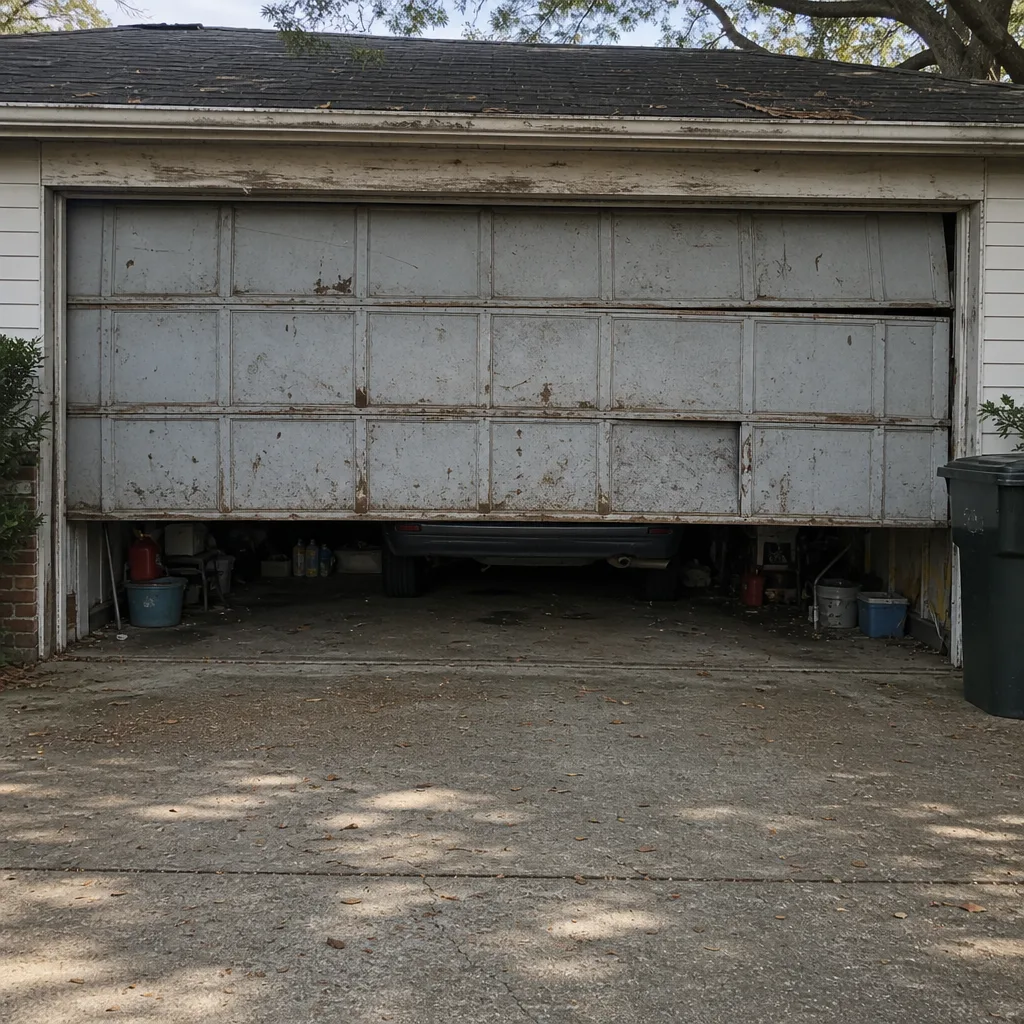 Before
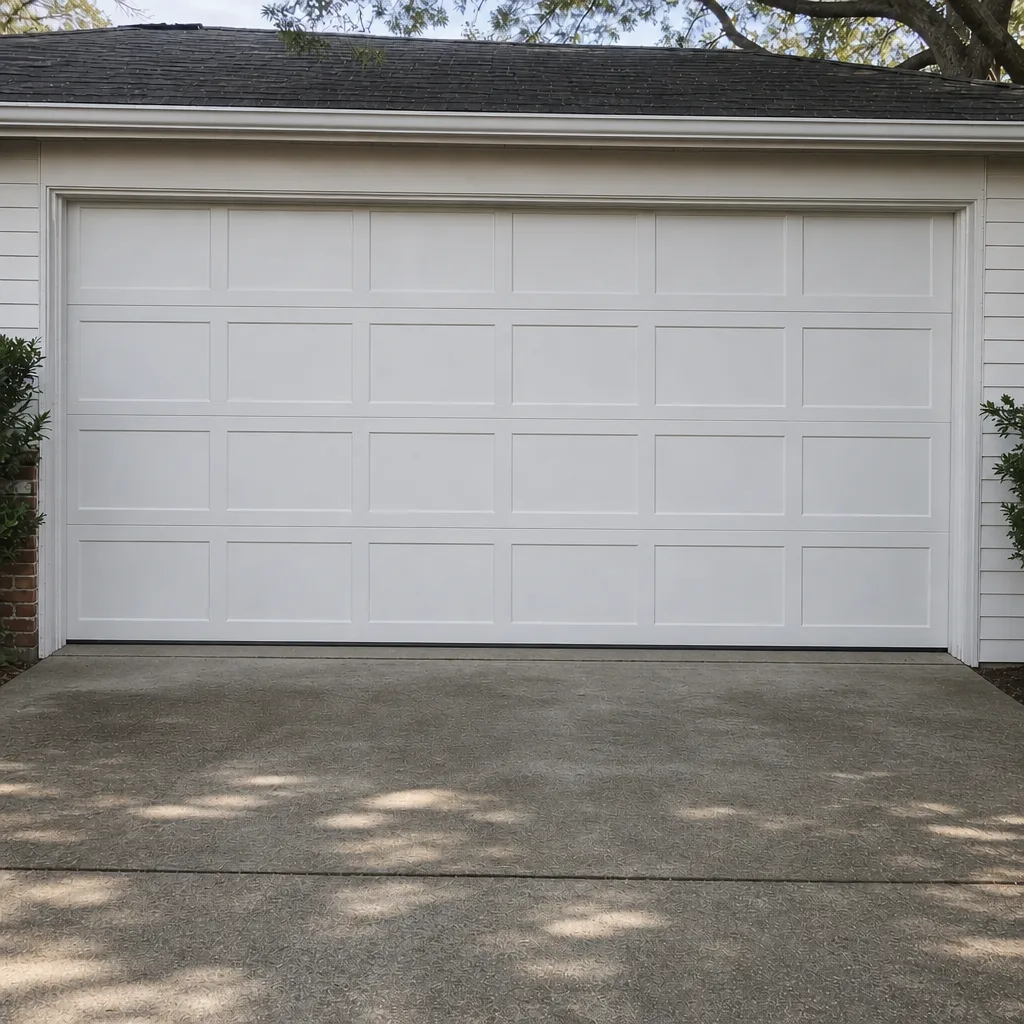 After
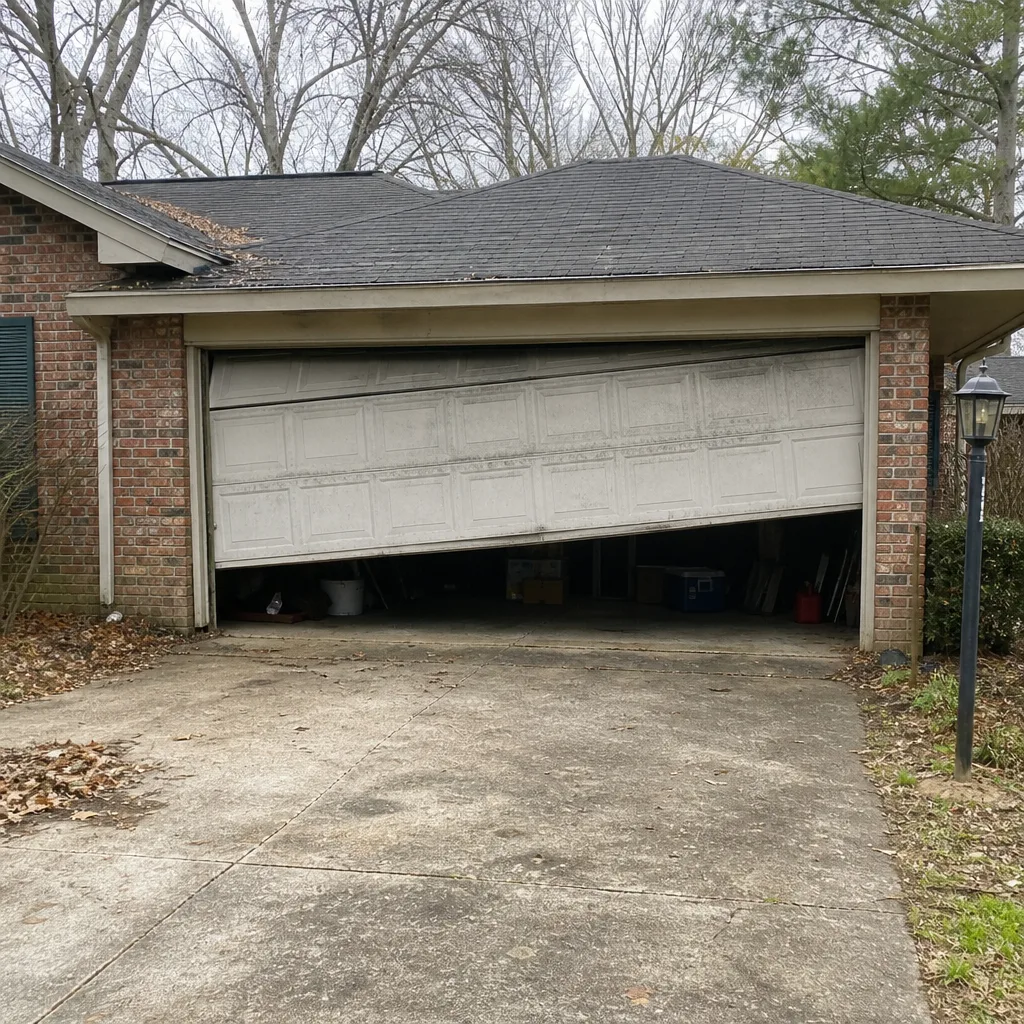 Before
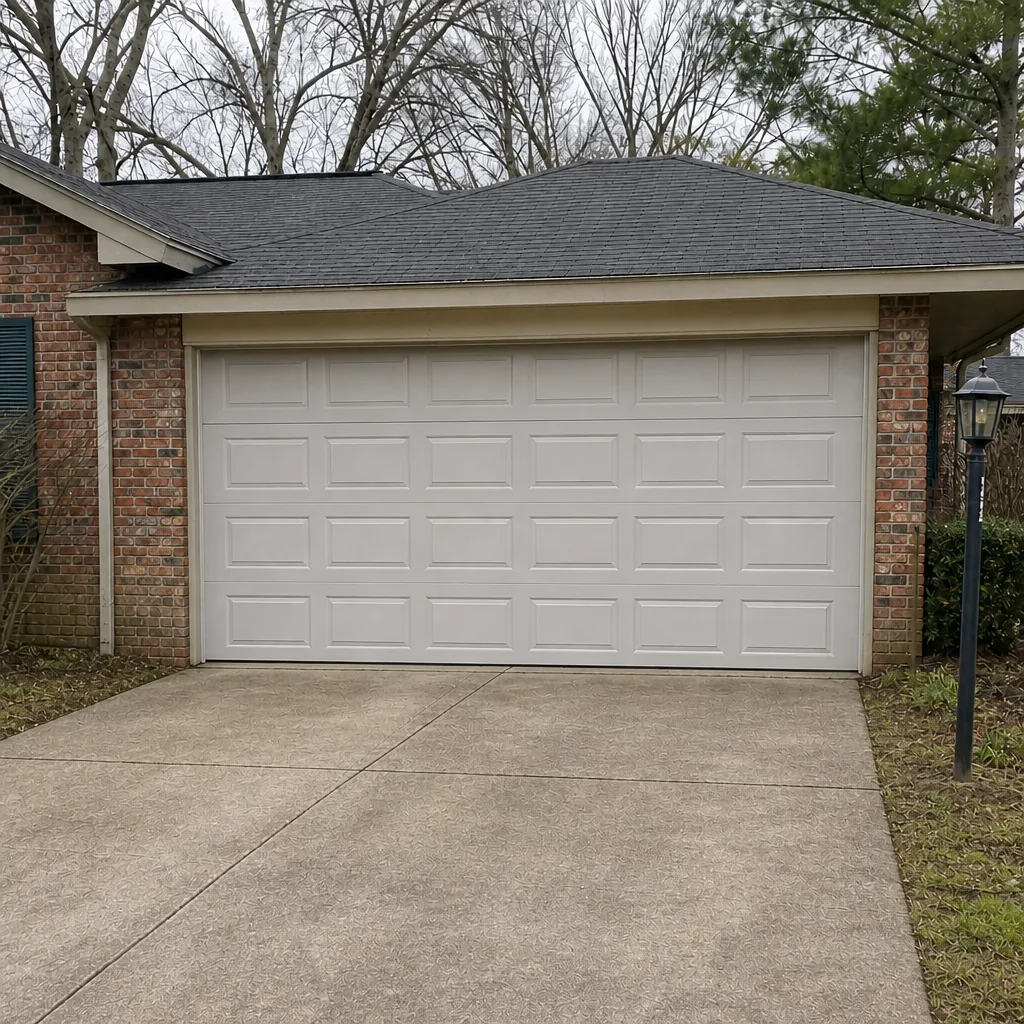 After
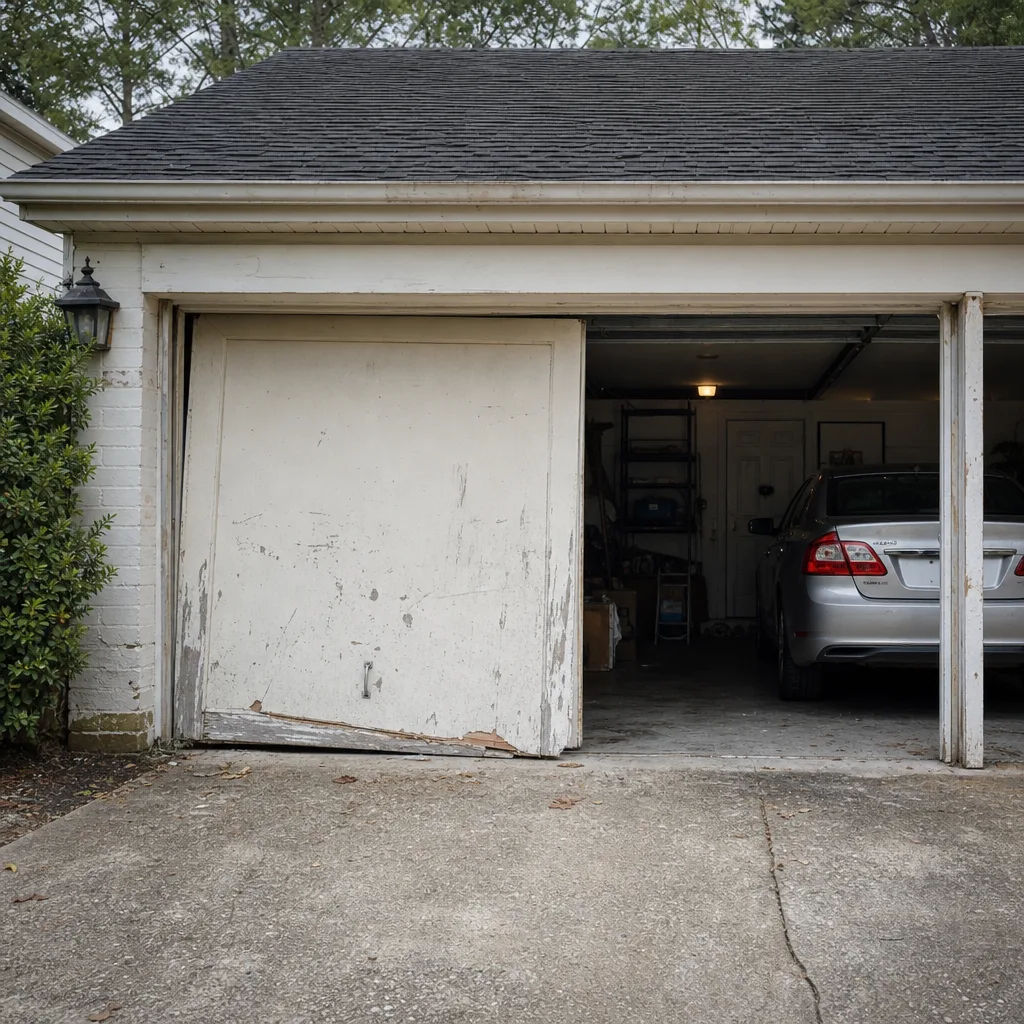 Before
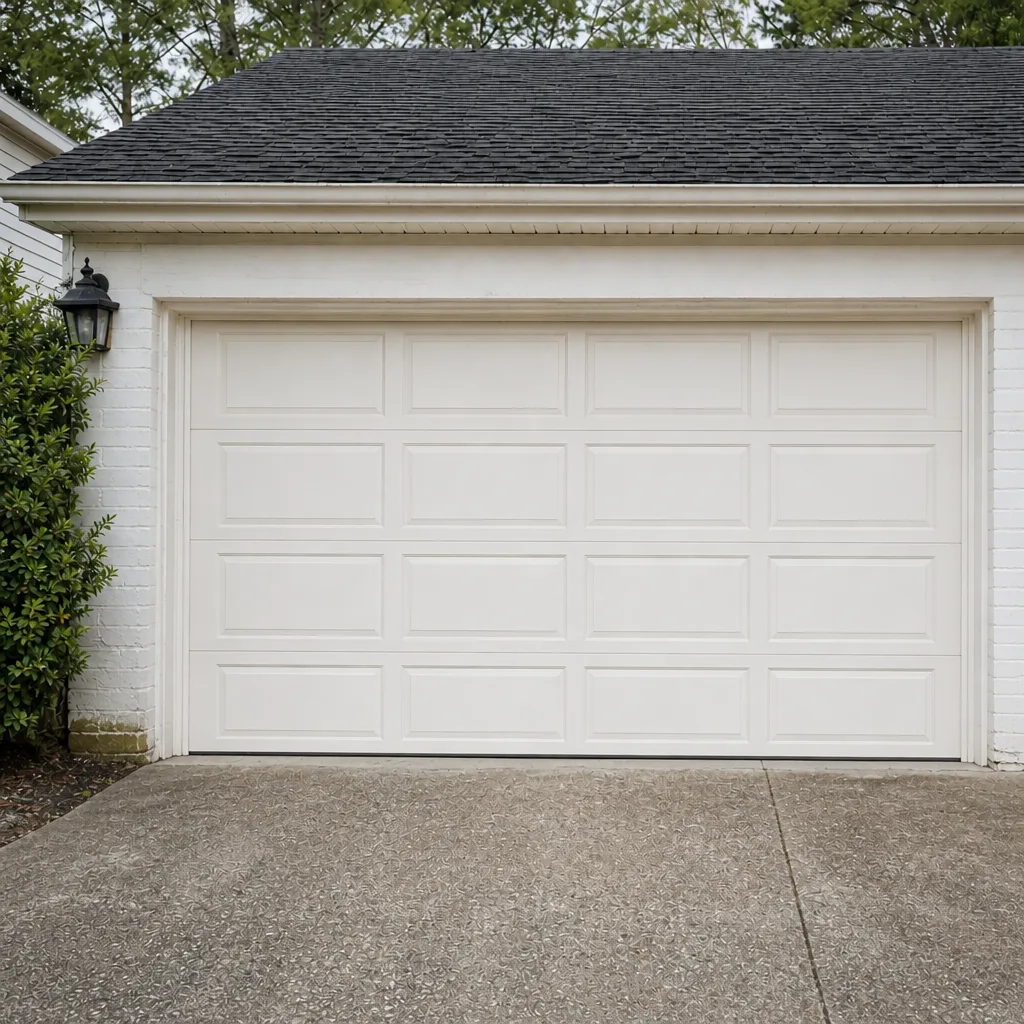 After
When to Call a Professional
Some garage door problems are obvious: the door won’t close, a spring snapped, the opener stopped responding. Others are quiet. A door that reverses for no reason, a grinding sound that wasn’t there before, or a bottom panel that’s starting to rust are all signs to get a professional eyes on it early. Springs and cables are the classic case where a trained professional is the only safe answer, because they’re under high tension and one wrong move can cause serious injury. Have a professional check the opener’s safety reverse, the balance of the door, and the track alignment rather than adjusting them yourself. A short, free assessment catches the problems that get expensive when they’re left alone.
Lakeside Garage Door Service offers free estimates in Montgomery. Call (888) 688-3641. We answer 24/7. Fast dispatch from 7am to 7pm, Sunday through Friday.
Frequently Asked Questions
Insulated steel or aluminum handles Montgomery’s heat and humidity best, because they resist warping and moisture damage with the least maintenance. Wood composite and fiberglass are worth considering when the look matters, as long as you can keep the finish and the bottom edge maintained. The biggest factor is the bottom seal and drainage, not just the material.
Usually not for a like-for-like replacement, but work that changes the opening, the structure, or the electrical circuit often does. The only authority for your specific address is the City of Montgomery’s building department, so call them before work starts and get the answer in writing. Call (888) 688-3641 if you’d like help understanding what your project involves.
Repair when a single component failed and the panels are sound; replace when multiple panels are warped, the bottom section is rusted through, or the whole system is past its life. The honest math is total cost over the next several years, and a free estimate in Montgomery will tell you plainly which applies. Estimates are free and we tell you what the door actually needs.
Typical estimates run $900 to $2,600 for a standard single door and $1,600 to $4,500 for a double, depending on material, insulation, and hardware. Custom sizes or heavy insulated doors run higher. The written estimate sets the final price, and it’s agreed before any work starts. Call (888) 688-3641 for a free measure and written price.
Yes. Many door problems are opener problems, and we diagnose the whole system together so the root cause gets fixed rather than the symptom. We’re fluent in LiftMaster, Chamberlain, Genie, Clopay, Amarr, Wayne Dalton, Craftsman, and Raynor, so we work on the brand already on your home. Call (888) 688-3641 for an exact quote; estimates are free.
Same-day service is often available for repair calls, and our phone line is answered 24/7. A call outside dispatch hours is booked into the next opening, Sunday through Friday, 7am to 7pm. If you’re stuck with a door that won’t move, call (888) 688-3641 and we’ll get you back to working order.
The Bottom Line
Garage door decisions in Montgomery come down to climate, sizing, and system knowledge. Pick a material that handles heat and humidity without warping or rusting, measure your opening and headroom on your actual house before ordering, and confirm permit rules with the city before work starts. Most problems are repairs or opener fixes, not full replacements, and the honest math favors fixing a system with years left in it. Call (888) 688-3641 for a free estimate. We answer 24/7. Fast dispatch from 7am to 7pm, Sunday through Friday.
Written by the team at Lakeside Garage Door Service.