
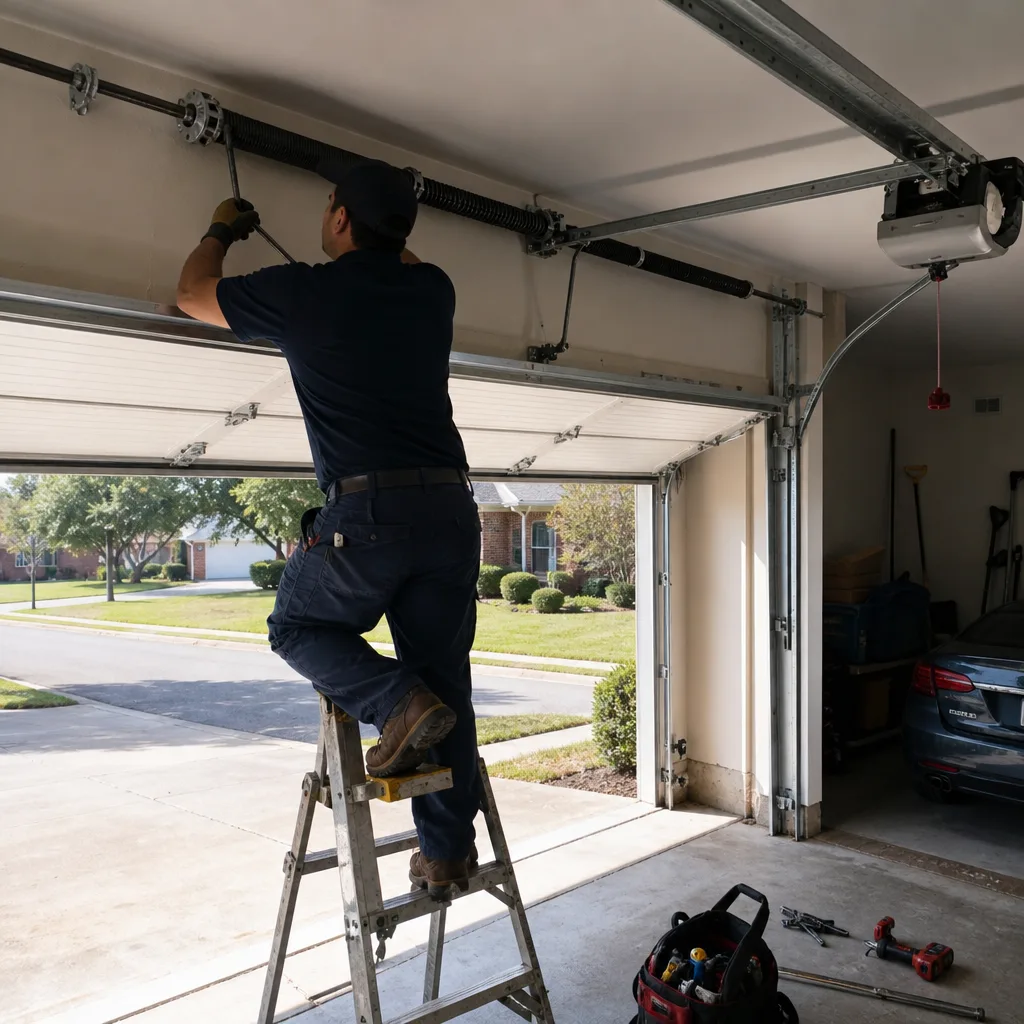
Last updated November 15, 2026
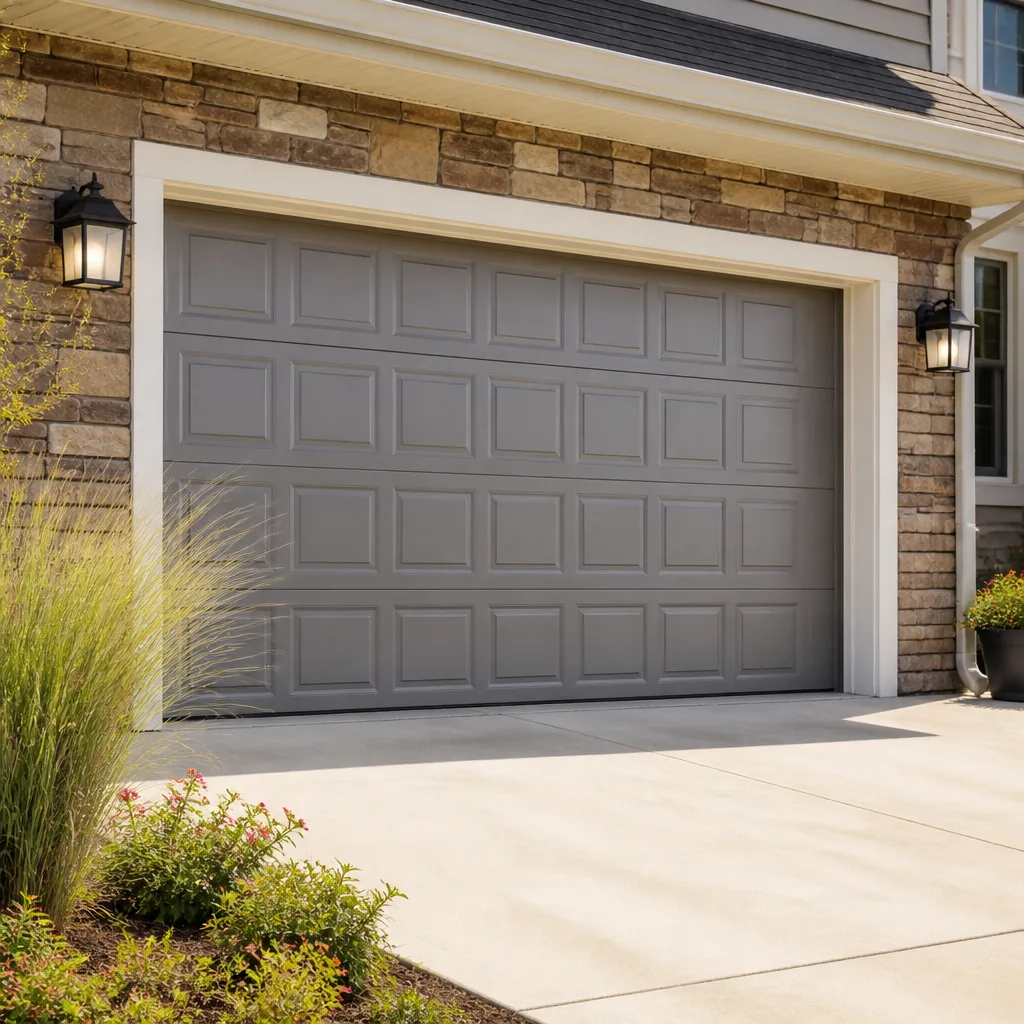 Raised-panel steel
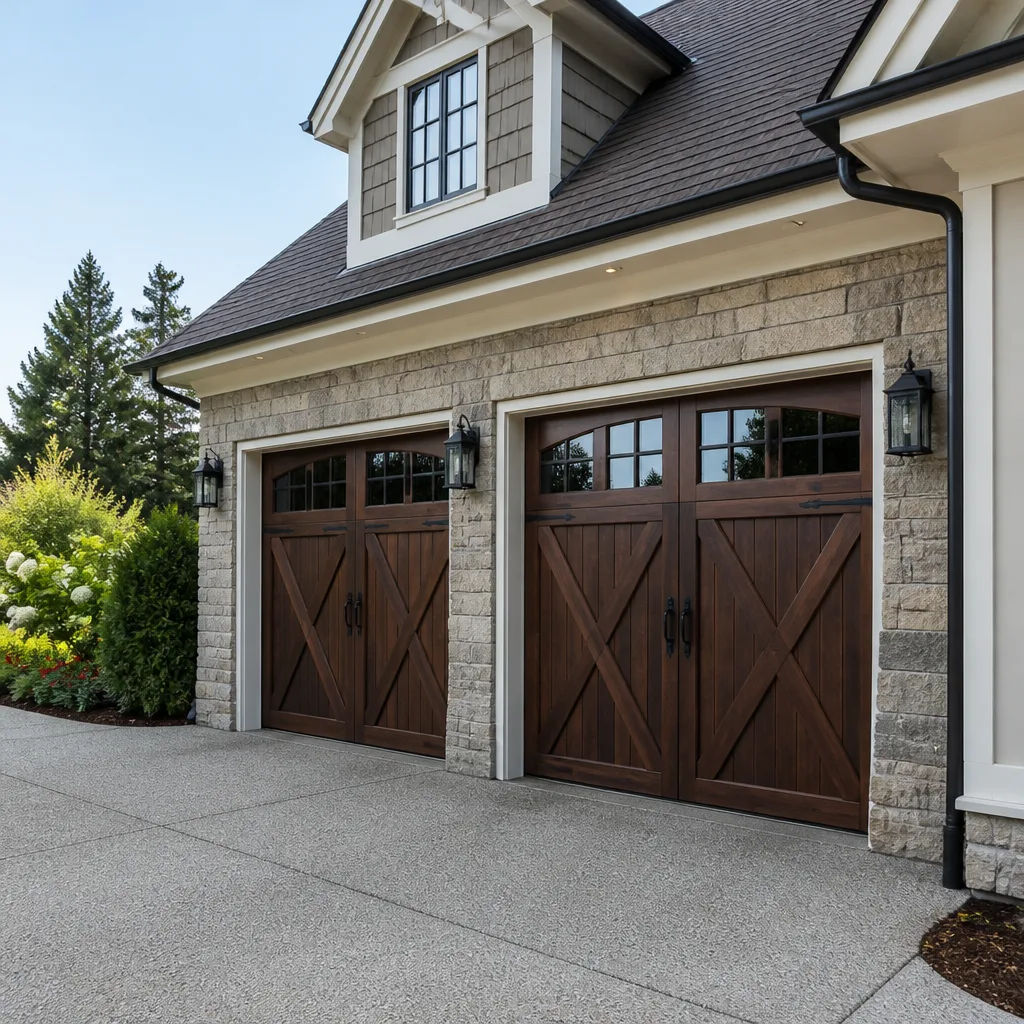 Carriage house
 Modern flush
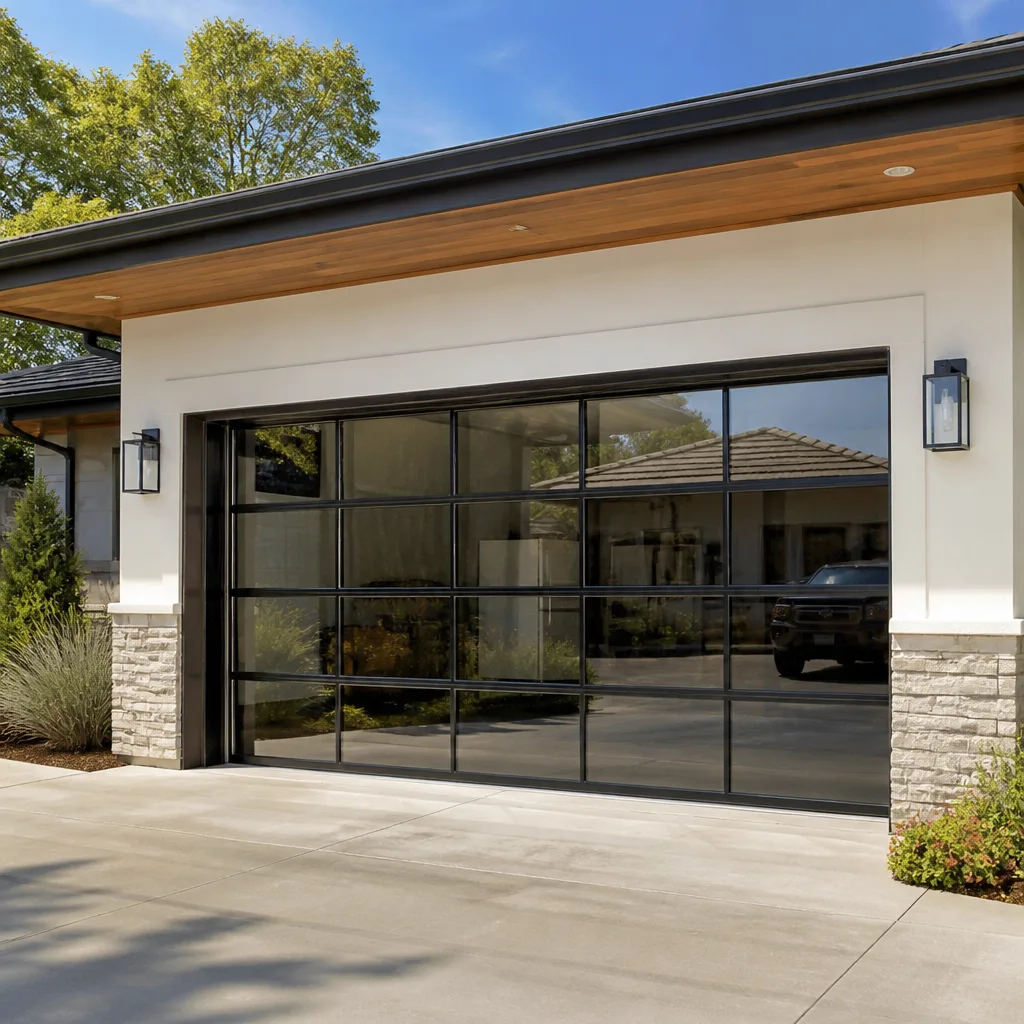 Full-view glass
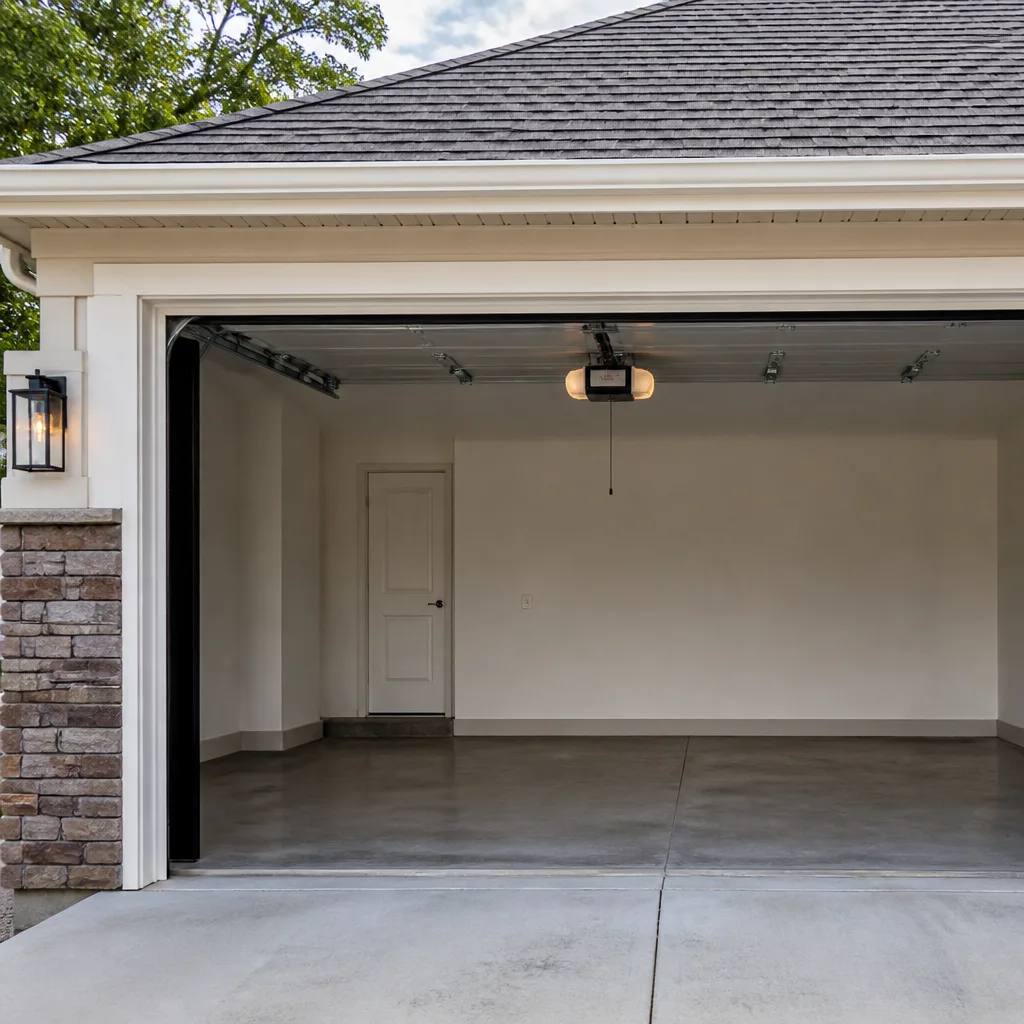 LiftMaster openers
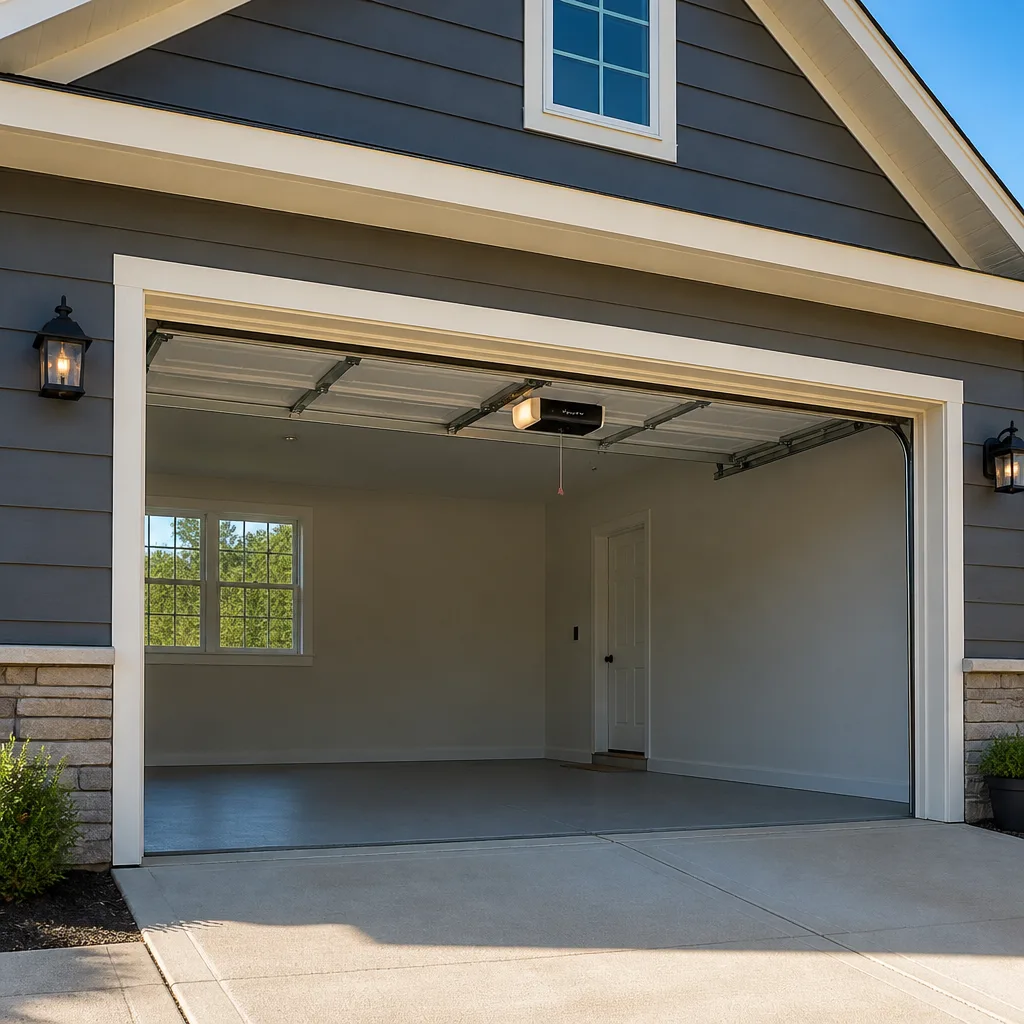 Chamberlain openers
Full 25-point door and opener safety check with every visit - springs, cables, rollers, tracks, and your LiftMaster or Chamberlain opener included
You get a price before we start. It does not change when the pro arrives.
Get your free estimateStyles & brands we work with
- Raised-panel steel
- Carriage house
- Modern flush
- Full-view glass
- LiftMaster openers
- Chamberlain openers
See the difference
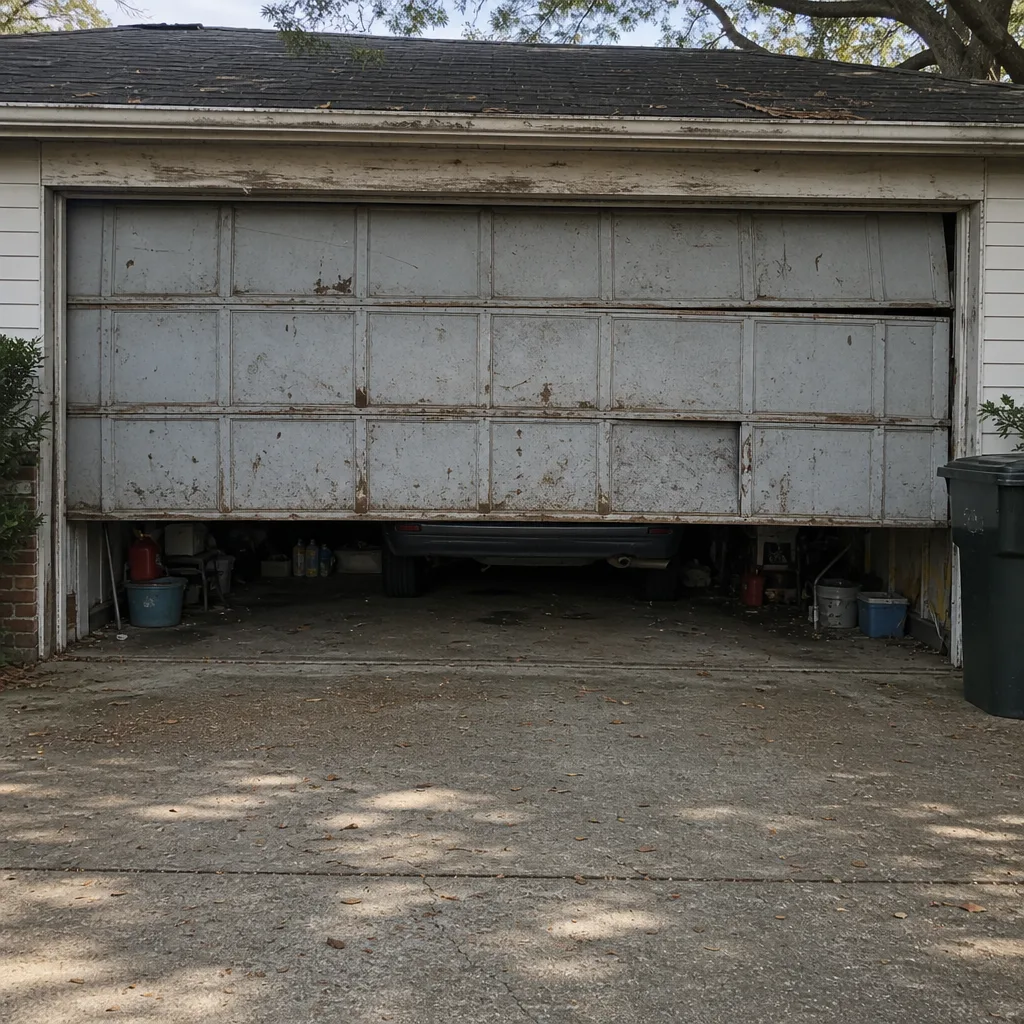 Before
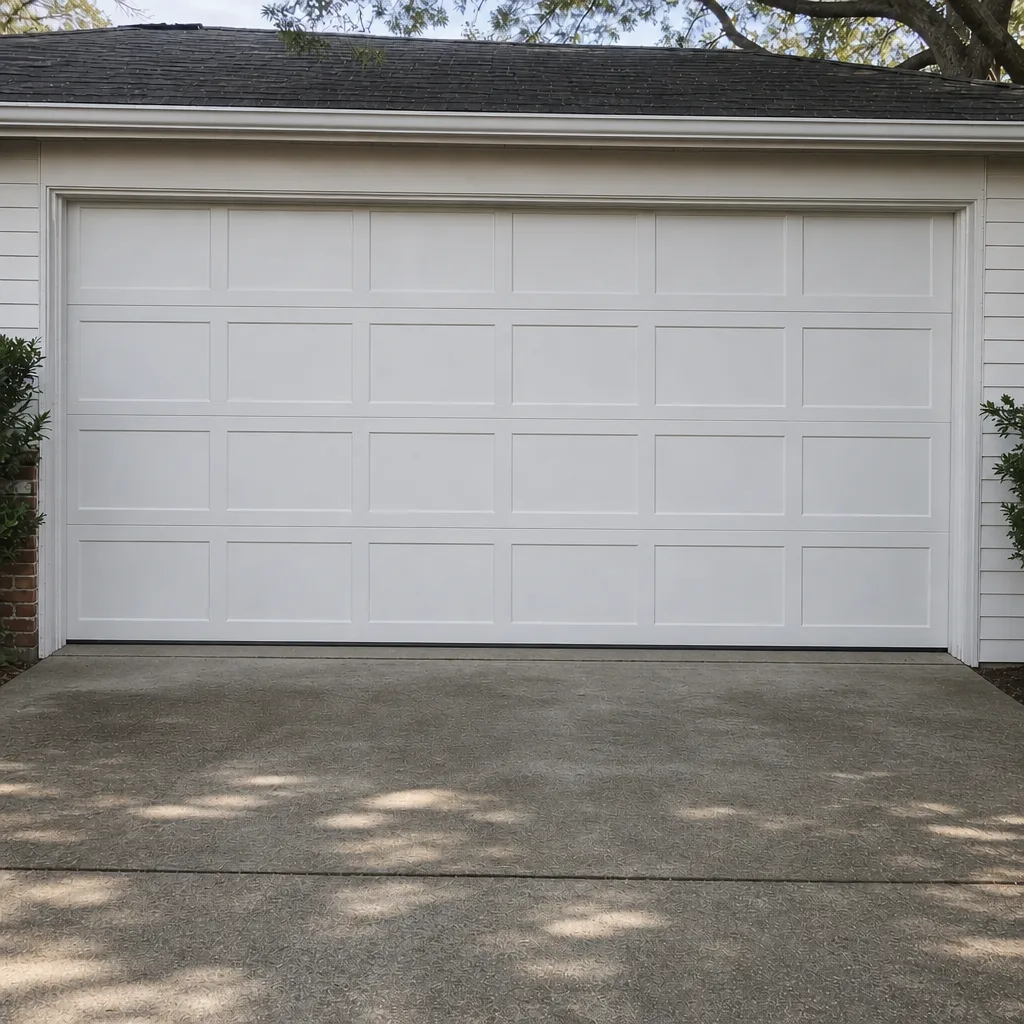 After
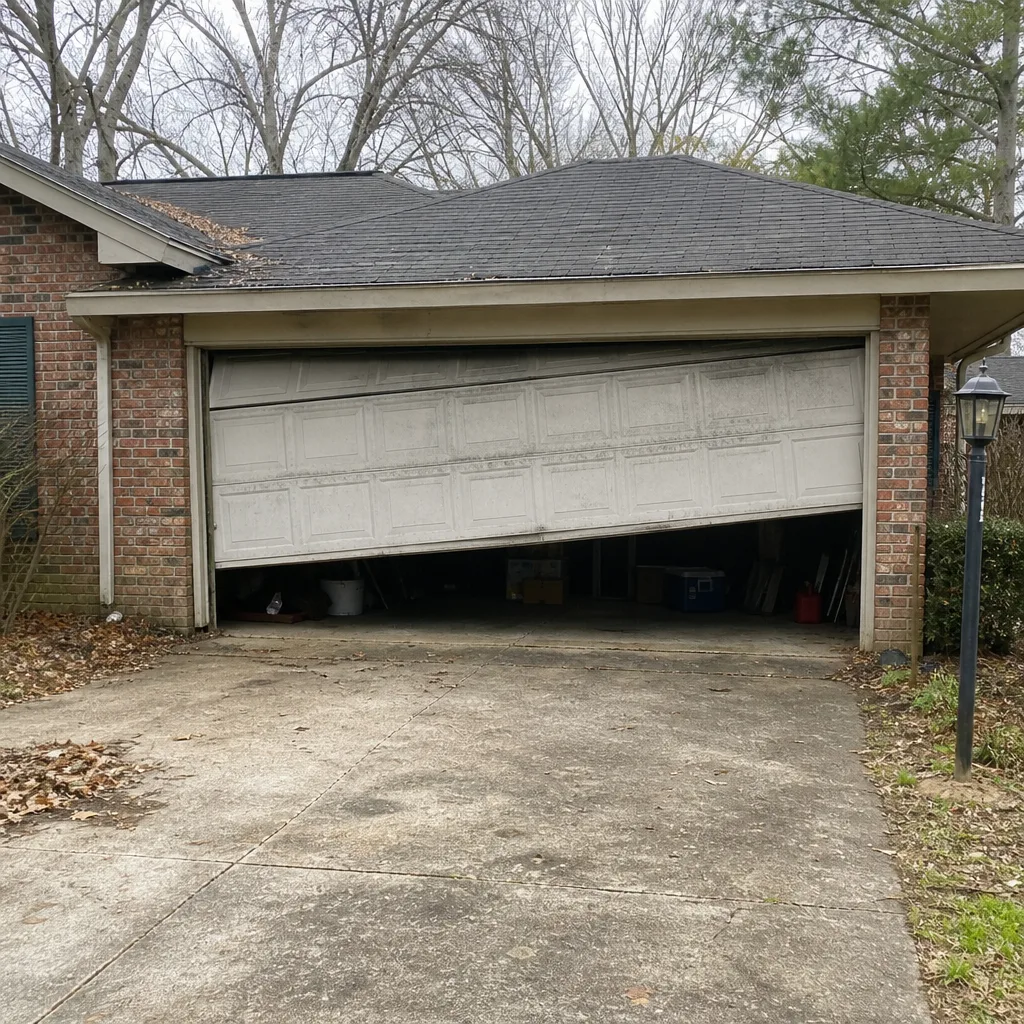 Before
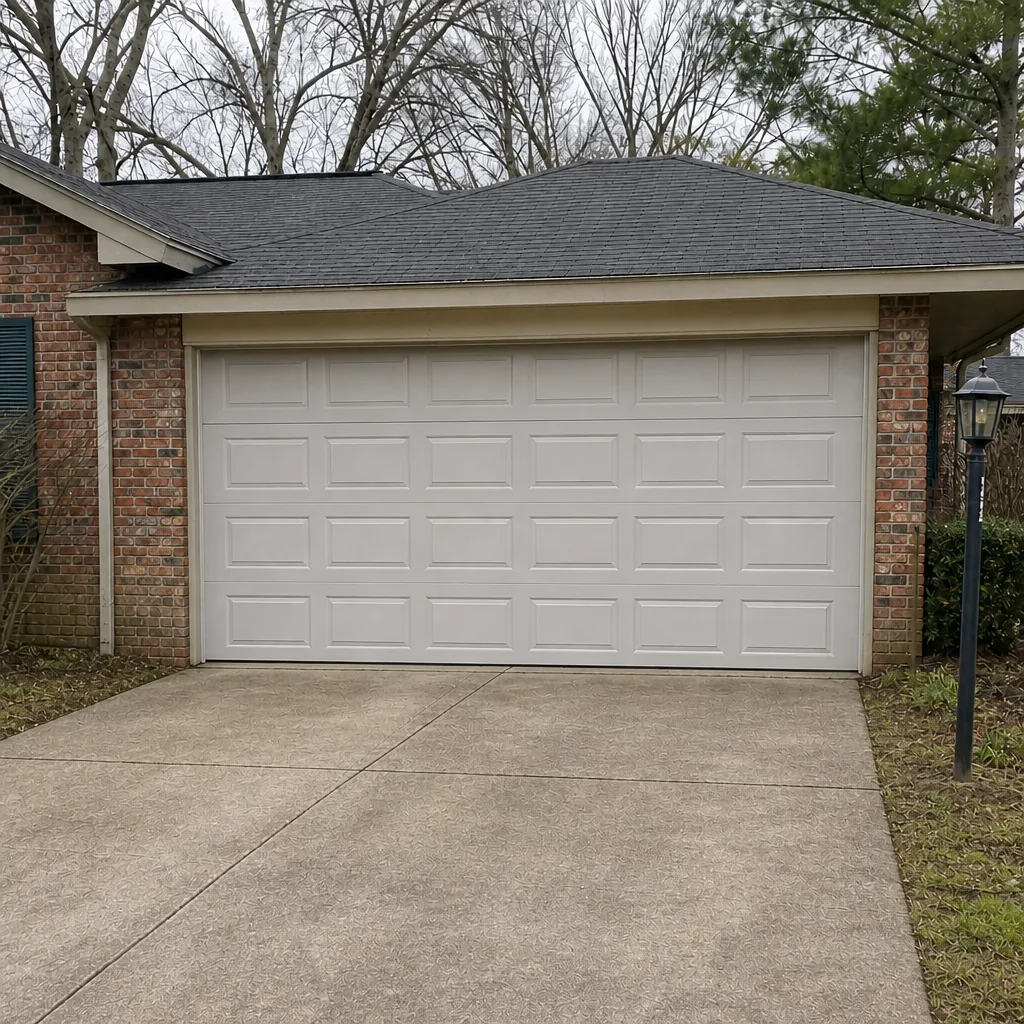 After
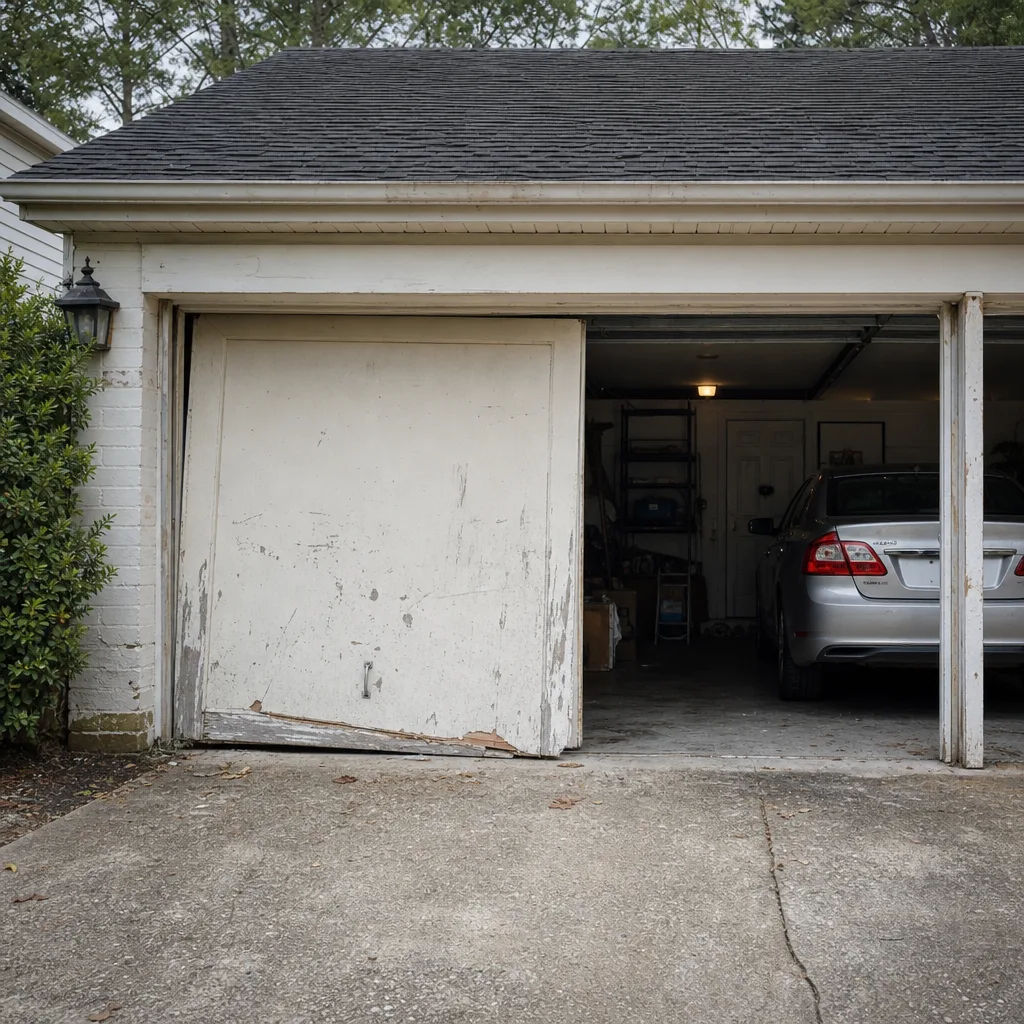 Before
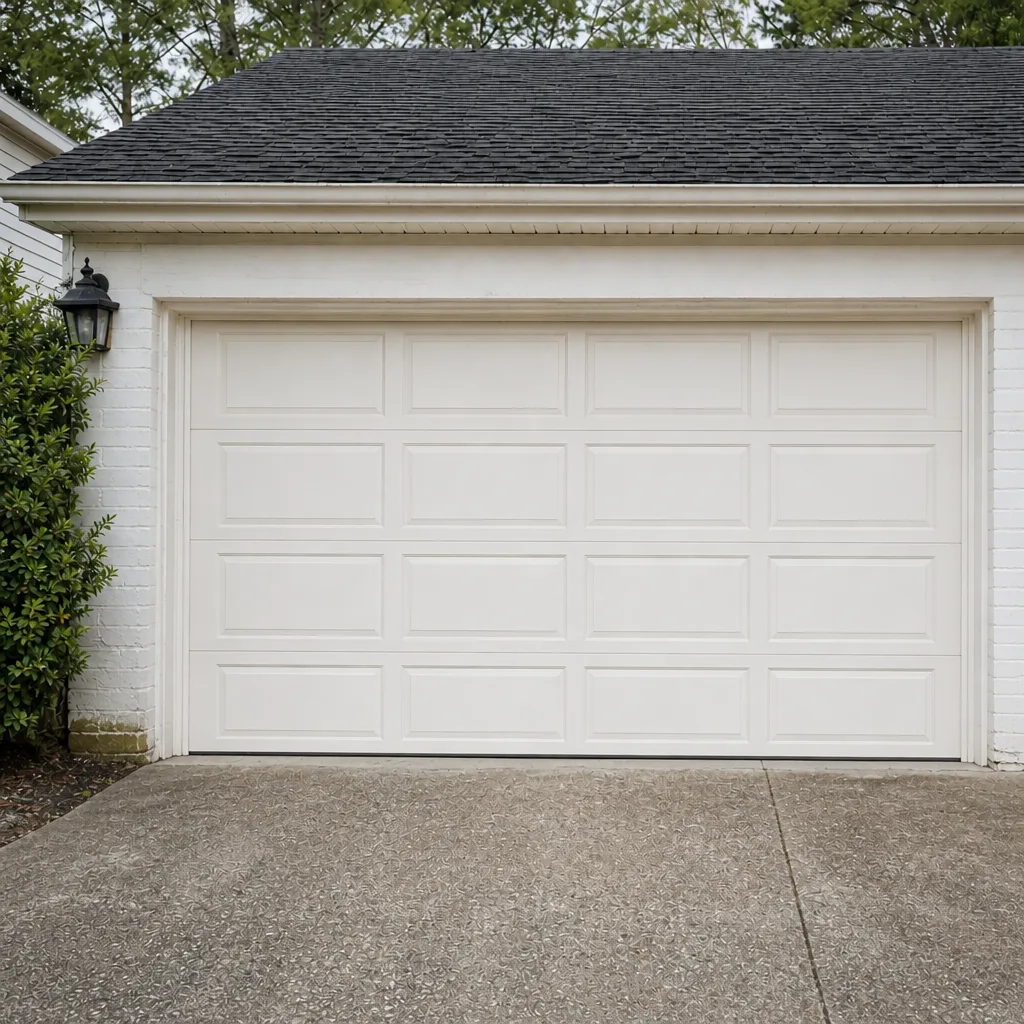 After
Garage Door Emergency Preparedness Guide for Montgomery Homes
During a Montgomery power outage, the most common reason people can’t get their car out of the garage isn’t a broken door. It’s that they’ve never pulled the emergency release cord, and they don’t know it behaves differently depending on whether the opener is holding the door under load or the door is already balanced. Pull it with the door up and the trolley loaded and you can send the door crashing down. Pull it correctly and the door lowers by hand in seconds. This guide covers preparation before the event, not reaction after it: how manual release actually works, how to get ready for the thunderstorms and outages that hit Montgomery, what battery backup openers solve and don’t, how to inspect a door after severe weather, and how to have a trusted number on hand before you’re standing in a hot garage. Use it once now, and the next outage won’t catch you off guard.
Quick Answer
Garage door emergency preparedness in Montgomery comes down to two failures that follow severe thunderstorms: the door won’t move because of wind or impact damage, or the door won’t move because the power is out. Preparing means knowing how to release the door by hand safely with the opener disengaged, testing your manual release before you need it, understanding when battery backup helps, and inspecting the door after a storm before you run it. None of that requires special tools. It requires doing it once while everything is working.
Table of Contents
- Why Montgomery Garage Doors Fail During Storms and Outages
- How to Operate a Garage Door by Hand During a Power Outage
- The Difference Between Releasing Under Load and a Balanced Door
- Storm Preparation for Montgomery Homes
- Wind Ratings and When They Matter Here
- Battery Backup Openers: What They Solve and What They Don’t
- Post-Storm Inspection: What to Check Before Operating the Door Again
- Preparing Your Emergency Contacts and Knowing When to Call
Why Montgomery Garage Doors Fail During Storms and Outages
In our experience working on garage doors across Montgomery, the emergencies we’re called out for cluster into two patterns. The first is the summer thunderstorm line rolling through, the kind that knocks limbs out of mature pines and oaks and takes down power with it. The second is the outage itself. A garage door is a heavy mechanical system with a spring doing most of the lifting, and when you lose power, the opener stops being your muscle. That’s the moment many homeowners discover their manual release has never been tested.
Montgomery’s storm season is a real factor in door hardware life. When a storm-driven wind load pushes against a closed door, the panels flex and the hinges and rollers carry the strain. Repeated events loosen fasteners and wear rollers faster than steady use would. Summer heat adds a second stress: the springs and opener motor run hotter in an unventilated garage through July and August than they do in cooler months. Neither condition breaks a door by itself. Together they make an older door with tired hardware more likely to fail when you need it most.
There’s a third pattern worth naming. Doors that get jammed, off-track, or stuck open because something blocked them at a moment they weren’t watched. A roller pops out of a bent track, or an obstruction trips the safety reverse, and suddenly the door is stranded half open on a hot afternoon. The common thread through all three is that the homeowner has no plan for either half of the problem: how to move the door by hand, and who to call when the door needs an actual repair.
How to Operate a Garage Door by Hand During a Power Outage
Every opener has an emergency release cord, usually a red rope hanging from the trolley near the top of the door. Pull it and the opener disengages, letting you lift or lower the door by hand. Most homeowners have never done it. That’s why so many people stand in a dark garage during an outage unsure of what to try next.
Here’s the sequence to run, calmly, when the power is already out. Read it once now and once during your next dry run:
- Make sure no one is under the door. Ask everyone to stand clear and keep children and pets back. A door that comes down unexpectedly is dangerous, and it only takes one person in its path.
- Check the door’s position first. If the door is fully down and resting on the floor, the opener is holding little or no load. If the door is fully up or partway up, the opener trolley may be under load, and pulling the cord changes what happens next. This is the part most guides skip – see the next section.
- Stand to the side of the door and pull the release cord straight down. A firm, decisive pull. You’ll feel the trolley click free.
- Lift the door using the handle or a firm grip on the bottom frame. A balanced door lifts easily. If it feels heavy or falls on its own, stop – that’s a spring or balance problem, not something to force.
- Move the door fully up or fully down. Never leave it resting partway. A partially open door can slip, and a balanced door has a spring system holding a target weight that’s easy to misjudge.
- Re-engage when the power returns. Usually you push the opener’s wall button or run the opener once so the trolley reconnects. If it doesn’t reconnect cleanly, don’t keep trying – call for service.
Practice this once when nothing is wrong. Pull the cord with the door fully closed, lift it, and set it back down, then re-engage. Knowing the feel of it before an outage is worth more than any written instruction.
The Difference Between Releasing Under Load and a Balanced Door
This is the piece that trips people up. When the opener is holding the door under load – door up or partly up, trolley engaged, spring doing most of the work – pulling the release cord hands the full weight of that door to you instantly. If your spring has lost tension, or the door is older or has an aftermarket reinforcement kit, that load can be significant, and it can drop without warning. A door that suddenly falls on a person or a pet is a serious injury waiting to happen.
When the door is fully closed on the floor, the picture is different. The opener is holding almost nothing, the door is resting on its own weight, and pulling the cord is a low-risk move. That’s the safe scenario. If the door is up and the opener is under load, the best practice is to lower the door first using the wall button or remote if you still have power, or to leave it exactly where it is and call for service if you don’t. Never stand under a loaded door to release it. Never have someone hold the door for you while you release it.
If a door must come down by hand from a loaded position – which happens when the power fails with a car parked inside and the door up – the technique changes. You stand to the side with the door on its guide, take the weight through a handle with one hand while keeping your body clear, and pull the cord with the other. Even so, the door’s spring is what keeps the door’s weight manageable, and an unbalanced door will not cooperate. We’ve seen this go wrong when homeowners tried to force it. When in doubt, leave the door where it is and call. A door stuck partway open is inconvenient. A door that comes down on someone is a trip to the emergency room.
Storm Preparation for Montgomery Homes
Storm prep for a garage door isn’t about taping panels or stacking sandbags. It’s about making sure the door is in shape to take a wind load and that you know what to do if it isn’t. Montgomery gets the summer storm line and the occasional severe cell that pushes wind hard against a closed door, and older doors with tired hardware are the ones most likely to come off their track or strain their springs. The following checklist is what we’d run through before storm season every year.
Take an hour on a dry, calm day and walk through this:
- Test the balance. Close the door, then pull the manual release. Lift the door to about waist height and let go. It should stay put or drift only slightly. If it falls, the springs are doing too little and the opener is doing too much.
- Test the safety reverse. Lay a small object – a roll of paper towels works – in the door’s path and run the door down. It should reverse on contact. Then test the photo-eye system by covering one eye and running the door. It should reverse or refuse to close.
- Look at the hardware. Check the rollers, hinges, and track for play or looseness you can spot by eye and feel by hand. Wobbling rollers and loose hinge screws are the most common source of a door coming off track under wind load.
- Clear the track. Loose debris in the track is a problem when the door runs. Clear it every season, more often if you have trees overhanging the drive.
- Check the door’s wind rating or impact rating. If the door is a Clopay, Amarr, or Wayne Dalton model, the installation or your paperwork may tell you what the door was rated for. If you don’t know, a local installer or the manufacturer can look it up by model number (see below).
- Keep the manual release accessible. It’s a red cord near the trolley. Make sure it isn’t tangled, hidden behind stored items, or tied off in a knot.
One Montgomery-specific note: local storm season isn’t just late spring. Severe cells can hit here well into autumn, and the heat on door hardware runs from May through September. The best time to run this checklist is anywhere from late winter through early spring, when you can see the year clearly, and again mid-summer if you’re seeing any signs of trouble.
Wind Ratings and When They Matter Here
Residential garage door wind ratings are a real thing, but whether they matter a great deal depends on the door, the home, and the storm. A standard residential door is built and rated to a wind pressure, and the framing and hardware it mounts to matter as much as the panel construction. Door manufacturers publish the ratings for their models, and most installers can look up a model’s rating in the manufacturer’s documentation.
For Montgomery homes, a few practical points:
- Wind-driven storm cells are the main risk here, not hurricanes rolling in from the coast. A standard, in-good-repair door on a properly installed track is usually fine in typical storm winds, but a door that’s already off track, missing fasteners, or off-balance is much more vulnerable.
- Wind ratings matter most for homes in exposed positions – hilltop lots, open driveways, homes that face the prevailing storm direction. If you’re in one of those, ask about the rating while a technician is out.
- A rated door is only as good as its install. A rated panel mounted on an under-secured track won’t perform to its rating. The frame and anchor points matter.
- Don’t assume a rating is happening just because the door is heavy. Older doors in Montgomery were often fitted with no recognizable wind rating. The only way to know is to check the label or model.
- If you ever replace the door, ask about wind-rated options. It’s a small upcharge conversation to have at installation time for homes in exposed positions.
Battery Backup Openers: What They Solve and What They Don’t
Battery backup openers use a rechargeable battery to run the door through a power outage. If the power drops, the opener lifts the door for a limited number of cycles. That’s a genuinely useful feature for many homes in Montgomery. But it solves a specific problem and doesn’t solve the other, and the battery’s lifespan in a Montgomery garage is worth understanding before you buy one.
What battery backup solves:
- A power outage during the day. The opener lifts the door a few cycles so you can get a car out and back in.
- The occasional storm-driven outage when the car is trapped inside.
- Keep the door operable for a limited window during an outage, provided the battery is in good shape.
What battery backup does not solve:
- The door won’t move because the spring is broken, the door is off track, or the opener motor is dead. Battery backup runs the opener; it doesn’t fix the door.
- Extended outages. A battery runs a limited number of cycles. Once it’s spent, the door is manual again.
- A safe release with no plan. Even with a battery backup, you still need to know how to manually release the door as a fallback.
- Full-charge performance in a hot garage. Montgomery’s summer heat takes a toll on rechargeable batteries. The battery capacity in a July or August garage can be lower than a cool-climate garage, and batteries degrade with age. If you own a LiftMaster or Chamberlain opener with battery backup, it’s worth checking the battery annually – month before storm season – and replacing it when the opener reports a low charge or the door stops lifting after a power cut.
Our straightforward take: battery backup is worth having if your situation fits a power outage risk (you rely on the car and you have no alternative route), and it’s a reasonable addition to an opener replacement. It’s not a substitute for a manual release dry run and it’s not a repair. If your opener is older and you’re considering an upgrade, we work on LiftMaster and Chamberlain units regularly and can talk through what makes sense with your door and your garage.
Post-Storm Inspection: What to Check Before Operating the Door Again
After a severe storm in Montgomery, resist the urge to punch the remote and see what happens. A door that took a wind hit can be off its track, missing a hinge screw, or straining against a broken spring, and running it can turn a repair into a much bigger repair. Take two minutes and check the following before you operate the door.
- Look at the track from both sides. A dented track or a track that’s visibly bent is a stop. Don’t run the door.
- Check the rollers. Rollers should sit in the track smoothly. If one is popped out, sitting on the edge of the track, or visibly loose, don’t run the door.
- Look at the panels. Any door panel that’s bent, creased, or separating from the frame matters. It’s not just cosmetic – a bent panel that catches on the track can force the door off.
- Inspect the hinges and mounting hardware. Look for loose screws, missing screws, or hinges that swing freely with the door closed.
- Check the cables and springs by eye only. Cables should be under tension without looking frayed. A spring that’s visibly broken (a clean gap in the coil) is a stop. A spring that’s lost tension is a stop. Do not touch either one. Call for service.
- Check for debris in the track. Small limbs, sand, and gravel blown into the track will jam the door. Clear it.
- Test the safety reverse. Once the door looks clear, close it and test the safety reverse (as in storm prep above). If it doesn’t reverse, don’t rely on it – call for repair.
If everything checks out, operating the door once at low speed and watching closely is fine. If anything is off – a track out of line, a spring looking wrong, a cable that’s loose – the door is unsafe to run. A door with a failing spring or cable can cause serious injury and shouldn’t be forced or operated until a trained technician looks at it.
Preparing Your Emergency Contacts and Knowing When to Call
Before you need us, have a number on hand. Save the number for Lakeside Garage Door Service in your phone under Garage Door. The number is (888) 688-3641. We answer 24/7, with fast dispatch from 7am to 7pm, Sunday through Friday. When a door fails at the worst possible time, the difference between a stressful hour and a stressful day is often whether you had the number ready.
Knowing when to call is a separate skill. Not every jammed door is a safety emergency. The quick test:
- True safety emergency: a door that’s come down on something or someone, a door that’s off track and could fall, a door with a visibly broken spring or a snapped cable, or a door that’s hanging partway and cannot be stabilized. Call now, and keep people clear of the door. If someone is injured, call 911 first.
- Inconvenient breakdown: a door that won’t open, that’s jammed, that’s stuck open on a hot afternoon, or that’s simply not running its opener. It’s inconvenient and worth scheduling, but it isn’t dangerous if the door is stable. Call, and we’ll walk you through checking it’s stable while you wait.
- Suspicious noise or behavior: a door that’s louder, slower, or grinds. Not unsafe at the moment, but a sign something’s about to fail. Worth scheduling.
- Opener problem, door is fine: door moves by hand and not by opener. That’s an opener problem – garage door opener repair territory, and usually schedulable rather than an emergency.
When you call, have the brand ready. It helps us come prepared. Whether it’s a LiftMaster opener or a Clopay panel, we work on the brand already on your home. We handle garage door repair, opener repair, and installation – which covers most door emergencies without needing a different company. If you’re in a neighboring community, our friends in Montgomery get the same service tiers.
Common Mistakes to Avoid
- Never pulling the manual release until the day the power goes out. The cord exists on every opener; most homeowners have never used it. Do a dry run this week. Knowing the feel of a manual release before you need it is the single biggest prep step in this guide.
- Pulling the release cord while the opener is holding the door up. That’s the dangerous scenario. A loaded door can drop the moment you pull the cord. Either lower the door with the wall button first (if power is still on), or leave it and call for service.
- Standing under a door while releasing it. Stand to the side, not under. Nobody should be holding the door while you release it.
- Forcing a door that’s come off its track. A door off track that’s forced back onto it bends the track, damages the panel, and can unbalance the spring system. Stop and call. A track realignment is cheaper than a door replacement.
- Running the door after a storm without inspecting it. A door that took wind can be off a roller or have a separate hinge screw. Running the opener forces the door past that and can turn a re-roller into a re-track.
- Buying a battery backup opener to solve a door problem. A battery backup runs an opener through a power outage. If the door won’t move because of a spring, a track, or a hinge, replacing the opener won’t help. Diagnose the door first. Our team works on both halves of the system.
- Not having a number saved. Arranging a call while you’re standing in the drive with a car trapped inside is worse than having the number already in your phone. Save (888) 688-3641 under Garage Door.
When to Call a Professional
Call for a professional anytime the problem touches a spring, a cable, or a track. These are the components of a garage door where the physics of the door itself can turn a routine adjustment into a serious injury, and a trained technician is the only safe operator for them. A door with a broken spring, a visibly loose cable, or a track that’s come out of alignment is not a DIY job. A door that’s off track, a door that came down on something, a door that’s stuck partway open, a door that won’t reverse when tested – those all call for a same-day visit, and we handle them all. A slow, noisy, or grinding door is worth scheduling before it fails.
Lakeside Garage Door Service offers free estimates in Montgomery – call (888) 688-3641. We answer 24/7, with fast dispatch from 7am to 7pm, Sunday through Friday. We work on the eight brands most Montgomery homes actually have – LiftMaster, Chamberlain, Genie, Clopay, Amarr, Wayne Dalton, Craftsman, and Raynor – so you won’t be handed to a generalist or handed off to another company. Our technicians have up to 8 years of experience, and the price you agree on in the written estimate is the price you pay.
Frequently Asked Questions
Yes, if your door is balanced and you release the trolley first. Every opener has an emergency release cord, usually a red rope from the trolley. Pull it down firmly with no one under the door, then lift the door by hand. If the door feels heavy or drops on its own, the spring or the balance is a problem – don’t force it. Call (888) 688-3641 for an exact quote on a repair.
Leave it where it is if the door is stable, keep people clear, and call for service. A door stuck open is inconvenient but not dangerous as long as it’s not hanging or visibly off track. If it’s come off track or won’t hold in place, don’t operate it or force it – call (888) 688-3641. We answer 24/7, and we dispatch from 7am to 7pm, Sunday through Friday.
A battery backup is worth it if power outages are frequent in your area and losing the garage door would strand a car. It runs the opener through a limited number of cycles during an outage. It doesn’t fix a door that won’t move because of a spring, track, or hinge – those need a garage door repair. If you have a LiftMaster or Chamberlain unit with battery backup, check the battery once a year before storm season; summer heat degrades rechargeable batteries.
Pricing depends on what’s actually broken – a spring, a track, a hinge, an opener motor – and we quote per job in a written estimate before any work starts. That’s the price you pay. Call (888) 688-3641 for a free estimate and a real answer.
A true emergency touches safety: a door hanging, a door that came down on something or someone, a visibly broken spring, a snapped cable, or a door that can’t be stabilized. An inconvenience is a door that won’t open, is stuck open, or won’t run without being unsafe. If it’s the second, call and schedule. If it’s the first, keep everyone clear and call (888) 688-3641 – we answer 24/7.
No. The written estimate sets the price before work starts. If a technician finds something beyond what’s quoted, you’ll hear about it before any additional work begins, and you can decide then. No surprise invoices. Call (888) 688-3641 for an exact quote – estimates are free.
The Bottom Line
Garage door emergencies in Montgomery come down to storms and outages, and most homeowners are unprepared for both until the day it happens. The fixes are simple and worth doing now: test the manual release once while everything works, understand the difference between releasing a balanced door and a door under load, check the door’s balance and safety reverse each season, know what to inspect after a storm before running the door, and have a battery backup only if your situation actually calls for one. Save the number. A preparation checklist takes an hour and lasts a lifetime. Call (888) 688-3641 for a free estimate.
Written by the team at Lakeside Garage Door Service.