
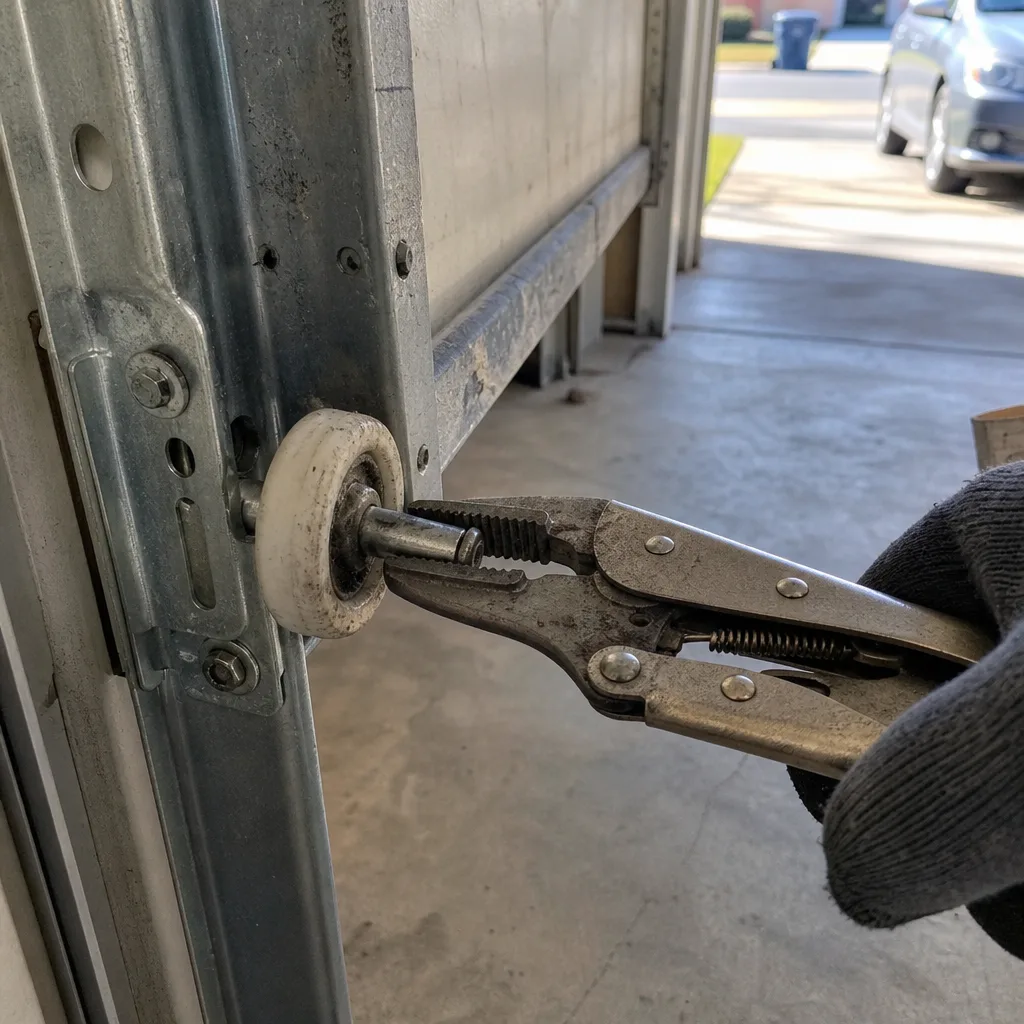
Last updated November 15, 2026
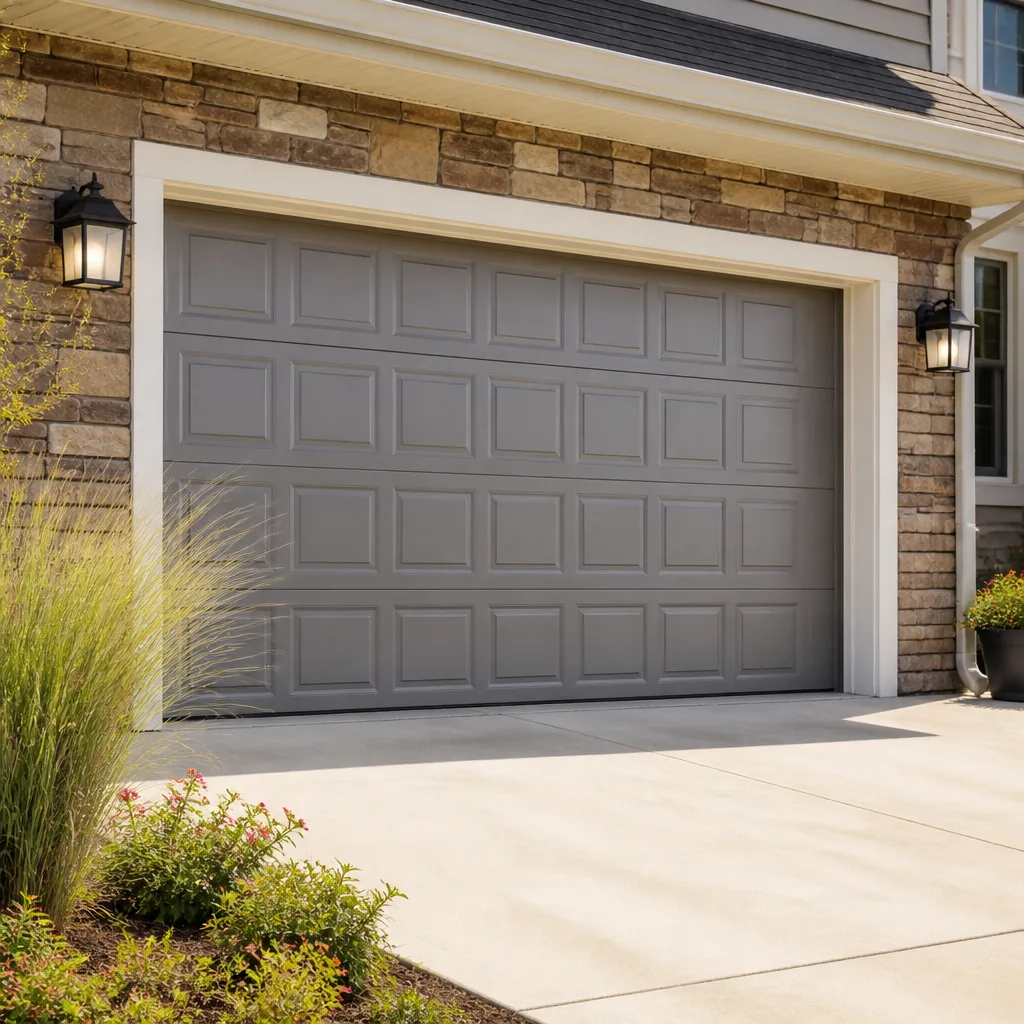 Raised-panel steel
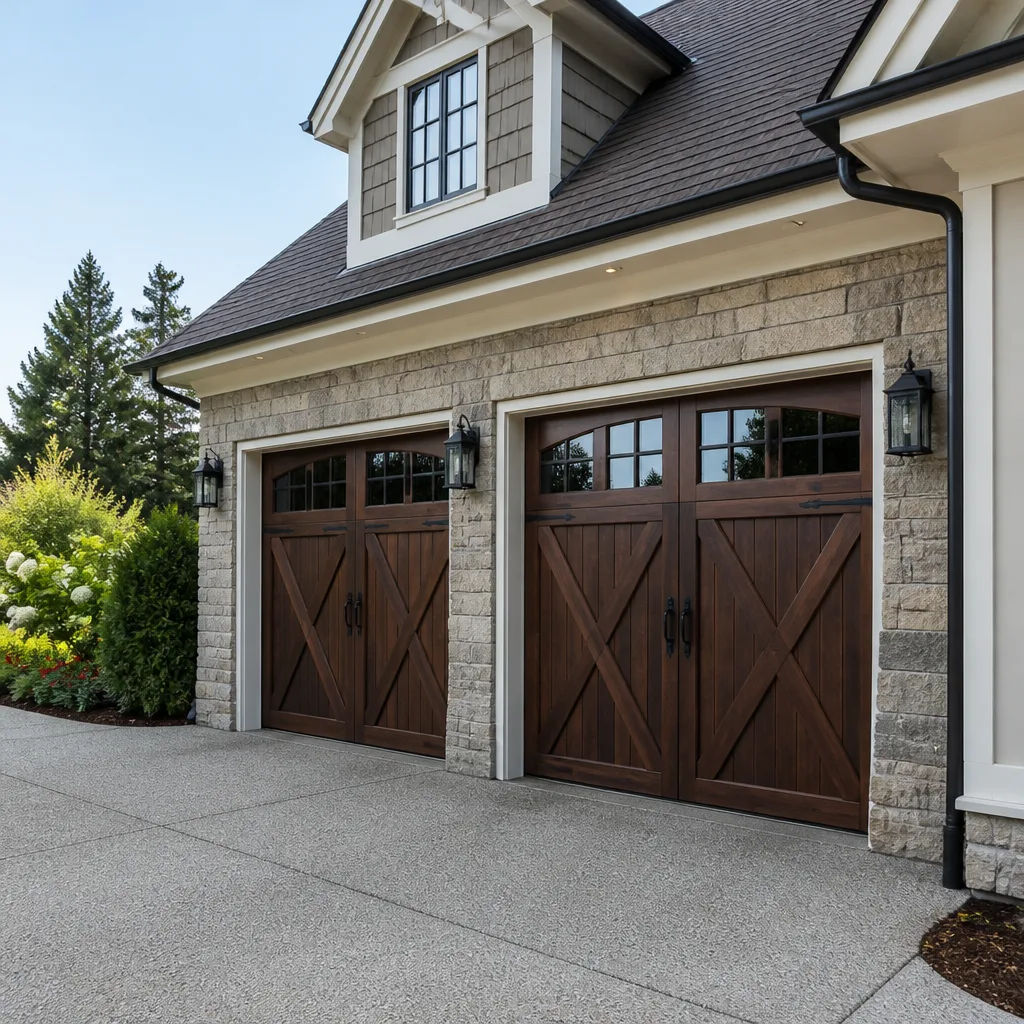 Carriage house
 Modern flush
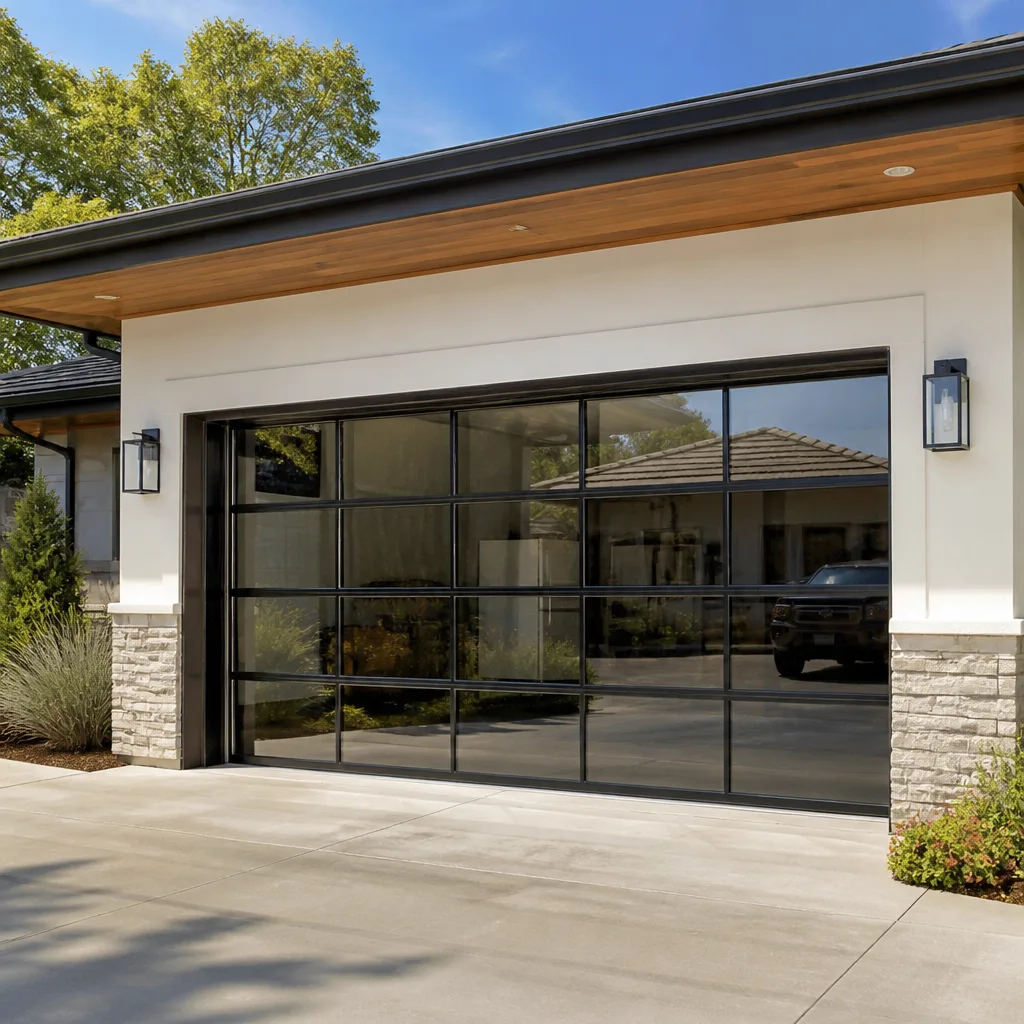 Full-view glass
 LiftMaster openers
 Chamberlain openers
Full 25-point door and opener safety check with every visit - springs, cables, rollers, tracks, and your LiftMaster or Chamberlain opener included
You get a price before we start. It does not change when the pro arrives.
Get your free estimateDIY vs Professional Garage Door: The Montgomery Homeowner’s Decision Guide
Garage door springs hold hundreds of pounds of stored tension, and they cause some of the most serious injuries of any home repair you can attempt. Yet spring replacement is exactly the job most DIY videos make look like a ten-minute swap. Here’s the part that surprises people: most garage door work isn’t dangerous. Lubrication, sensor alignment, weatherstripping, even a careful visual inspection are all within reach for a careful homeowner. The problem is that the one task with real mechanical danger attached is the one people feel bold enough to try. This guide separates the safe work from the work that can hurt you, and it’s written from Montgomery, where heat and humidity change how a few of these jobs go.
Quick Answer
You can safely handle garage door maintenance yourself: lubrication, photo-eye alignment, weatherstripping, and visual checks of the door and hardware. You should not attempt spring replacement, cable work, or track and panel straightening. Heavier repairs and full installation are more expensive to fix after a mistake than to do right the first time. The real dividing line isn’t skill. It’s stored mechanical energy.
Styles & brands we work with
- Raised-panel steel
- Carriage house
- Modern flush
- Full-view glass
- LiftMaster openers
- Chamberlain openers
Table of Contents
- Which Garage Door Tasks Are Safe to DIY?
- Why Spring Work Is Genuinely Dangerous
- What You Actually Save, and Where the Savings Disappear
- The Tools Worth Owning, and the Ones That Signal Stop
- The Gray Area: Montgomery Heat and Humidity
- Opener Repairs: Where DIY Starts Getting Complicated
- A Decision Framework You Can Use Today
- Common Mistakes to Avoid
- When to Call a Professional
- Frequently Asked Questions
Which Garage Door Tasks Are Safe to DIY?
Most garage door maintenance is genuinely safe for a homeowner. The catch is knowing which side of the line each task falls on, because the door doesn’t give warning before it fails. Here’s how the tasks sort out.
Safe DIY tasks
- Lubrication. A few drops of garage door lubricant on hinges, rollers, and the torsion bar bearings a couple of times a year keeps the door quieter and slows wear. This is the single highest-value thing you can do yourself.
- Photo-eye alignment. If the door reverses for no reason, check that the two safety sensors at the bottom of the tracks are facing each other and their lenses are clean. This resolves most phantom reversals.
- Weatherstripping replacement. Bottom seals and side trim are held in by screws or push-in channels and don’t carry any spring tension.
- Visual inspection and tightening. Walking the door and checking for loose bolts, worn rollers, and frayed lift cables is safe. So is tightening visible hinge bolts with a socket wrench.
- Remote and keypad programming. Reprogramming a LiftMaster or Chamberlain remote is a code sequence, nothing more.
- Track cleaning. Wiping down the vertical tracks with a dry cloth is fine. (Don’t lubricate the tracks themselves.)
Not safe for DIY
- Spring replacement. The only task on this list we tell every homeowner to leave alone.
- Lift cable replacement. Cables are under the same tension as the springs and can snap without warning.
- Track realignment where the door is jammed or bent. If a track has moved, the door’s weight is redistributed and correcting it requires controlled movement of the door.
- Panel replacement on a damaged door. Panel removal requires relieving spring tension first. That’s a two-person professional job.
- Opener replacement or motor swap. Safely possible in theory; in practice, wiring, spring balance, and safety reversal testing make this a professional call.
Our experience in Montgomery is that homeowners mostly get this right. What goes wrong is the overlap: someone who’s comfortable with a socket wrench decides the spring is the next step up. It isn’t a step up. It’s a different category entirely.
Why Spring Work Is Genuinely Dangerous
A garage door spring does the work of lifting a door that can weigh hundreds of pounds. The spring is not a passive part. It’s a held-back spring under continuous tension, and it is always trying to unwind.
Walk through the mechanics and the danger becomes obvious. A torsion spring is wound so that it counterbalances the door’s weight. When the door is down, the spring is at its most tightly wound. Even a door that looks completely at rest has the spring fully loaded. That stored energy is what makes the door feel light when you lift it by hand. It is also what makes the spring unforgiving if it releases unexpectedly.
Extension springs run along the horizontal tracks and stretch instead of twisting. They fail differently but with the same result. When a spring breaks, it does so in a fraction of a second, and the released energy travels through the cable, the door, and anything in its path. The door can also drop if the spring is the only thing holding it. This is why garage door work has a worse injury record than most home repairs, and it’s the reason we recommend against DIY spring work without exception.
Two things in that paragraph are easy to overlook. First, the danger isn’t the broken spring; it’s the spring that still holds tension while you work around it. Second, even a technician secures a door with winding bars and vise grips before touching the spring, which means your first step if you’re attempting it yourself is exactly the step that goes wrong. We’re not trying to scare you into a call. We’re telling you the door isn’t the dangerous part. The spring is.
What You Actually Save, and Where the Savings Disappear
DIY saves real money on the right task and costs money on the wrong one. A homeowner who lubricates and aligns their own sensors saves themselves a service call. A homeowner who replaces their own spring and cracks a panel or bends a track typically ends up paying more than the original repair would have cost.
Where DIY genuinely saves
- Lubrication: the cost of a can of lubricant, once or twice a year.
- Sensor alignment: zero, assuming the sensors aren’t faulty.
- Weatherstripping: the cost of the seal and a few minutes on a ladder.
- Remote and keypad programming: zero.
Where the savings evaporate
- A spring replaced without proper tensioning can leave the door unbalanced, which wears out the opener prematurely and leads to a repair that costs as much as the original job.
- A misaligned track that’s straightened by force and not by measurement can bend a panel. Panel replacement is a bigger job than track correction.
- A snapped cable that was replaced with the wrong gauge or length can let the door drop unevenly and damage the bottom seal.
- An opener wired incorrectly can trip a breaker or fail safety reversal testing, and safety reversal failure is the one thing on a garage door that can hurt someone.
The pattern is consistent. DIY pays when the task is maintenance. It costs when the task involves stored tension or structural alignment. If you’re weighing a repair and want a straight answer on cost, our garage door repair page covers what a typical job involves and how estimates work. Estimates are free, and pricing is quoted and agreed before any work starts.
The Tools Worth Owning, and the Ones That Signal Stop
Tool requirements are a useful signal. In our experience, the tools a genuine DIY garage door job needs are tools most homeowners already own. When the tool list starts including things you’d have to buy or rent, you’ve crossed into professional territory.
Worth having on hand
- A socket wrench set
- A screwdriver set (Phillips and flathead)
- A can of garage door lubricant
- A soft cloth and a small brush
- A flashlight for checking the tracks and rollers
- A tape measure for weatherstripping
Signals you’re in professional territory
- Torsion winding bars. These aren’t a casual purchase. They’re a specific diameter for a specific spring size, and the wrong size can shear under load.
- A spring scale or tension gauge. Balancing a door after spring work requires measuring spring tension, not guessing.
- Cable clamps rated for the door’s weight. The wrong clamp can slip under load.
- A second pair of hands. Any job that requires holding a door steady while working on a spring is a two-person job, and that’s a sign to call a professional.
There’s also the question of what’s already on your door. If you’re looking at a Clopay panel or a Raynor door with a specific hinge pattern, the factory parts aren’t something most homeowners are set up to source. We work on the brand already on your home and know what fits each one. If you’re not sure what brand you have, that’s usually the moment a call is worth it.
The Gray Area: Montgomery Heat and Humidity
Some tasks are technically DIY-able but harder to get right in Montgomery’s climate. This is the part of the decision most guides skip.
Montgomery summers push temperatures into the upper 90s, and the humidity doesn’t break overnight. For a garage door, that means two things. First, metal expands and contracts more than most homeowners expect, so a track that looks straight in the morning can show a visible bow by mid-afternoon. Second, wood and composite door panels absorb moisture and can swell or warp over time. A homeowner who tries to adjust a track on a cool morning may find the door binds again by afternoon. That’s not user error. That’s the material moving with the temperature.
There’s a practical side too. Garage work in July heat means metal surfaces that are too hot to touch and a garage that traps heat. A spring replacement attempted in that environment is slower and more error-prone than the same job on a mild day. We schedule spring and cable work deliberately for that reason.
Humidity shows up in the hardware as well. Hinges, rollers, and the bottom seal are the parts most exposed to damp air, and rust is a slow but steady problem here. If you notice rust on your rollers or a bottom seal that’s stiff and cracked, that’s normal wear for Montgomery and not a sign of a bad door. Regular lubrication is the best defense, and it’s a DIY task most homeowners can handle.
If you’re in a neighborhood like Old Cloverdale or Cloverdale-Idlewild and your door is older, the hardware may already show the effects of decades of humid summers. A professional inspection will tell you what’s wear and what’s failure. A spring with visible corrosion is a spring that’s closer to breaking, and it’s not the moment to be working around it without training.
Opener Repairs: Where DIY Starts Getting Complicated
Opener repairs sit in the middle of the DIY spectrum. Programming a remote or keypad is safe. Diagnosing a motor failure, replacing a capacitor, or installing a new opener is a different story, and it’s where many homeowners get in over their heads.
A garage door opener is a motor with a control board and a safety reversal system. The parts that fail most often are the gears, the travel limits, and the safety sensors. Gear replacement is technically possible but requires disassembly of a housing that’s under spring load. Safety reversal testing, which is the most important part of any opener work, requires a physical test with the door in motion. It’s not something you can confirm by looking at the unit.
If you’re replacing an opener, the wiring is the sticking point. Openers are hardwired to a dedicated circuit. The installation also requires that the door be balanced first, because an unbalanced door shortens opener life and can trigger safety reversals. That’s the reason a quality installation starts with the door, not the motor.
Montgomery homes often have openers from brands like LiftMaster or Genie that have been in service for years. Parts availability varies by model, and sourcing the right replacement gear or logic board matters. If you’re troubleshooting a specific brand, our garage door opener repair page breaks down what’s involved. We work on the brand already on your home, so you’re not switching to a generic stand-in.
A Decision Framework You Can Use Today
Here’s a simple process for deciding whether to DIY or call.
- Identify the task. Is it maintenance, alignment, or a repair involving a spring, cable, or track?
- Check for stored tension. If the task requires touching anything that holds the door’s weight, stop. That’s a professional job, full stop.
- Check the tool list. If the job requires anything beyond a socket wrench, screwdriver, and lubricant, it’s a good time to call.
- Check the door’s condition. Rust, visible spring corrosion, or a door that’s already binding means the job is bigger than it looks.
- Check the season. If it’s July and the garage is a furnace, schedule the job for a cooler day or leave it to a technician.
- Call for a free estimate if you’re unsure. There’s no downside to having someone look at it. Our technicians have up to 8 years of experience across brands like LiftMaster, Chamberlain, Genie, and Raynor.
One more consideration. A garage door is a system: the door, the hardware, and the opener. When something goes wrong, the symptom often points at the wrong part. A door that reverses halfway could be a sensor, a spring, a track, or a limit setting. A professional diagnoses the actual cause. That’s what our Montgomery page describes in the context of the local area, and it’s why we focus on the full system rather than a single part.
Common Mistakes to Avoid
- Assuming a new spring is a simple swap. A spring must match the door’s weight and the drum size. The wrong spring leaves the door unbalanced and can fail prematurely.
- Trying to lubricate the tracks. The horizontal tracks are meant to stay clean and dry. Lubricant there collects grit and turns into a grinding compound.
- Adjusting travel limits to compensate for a binding door. If you find yourself turning limit screws to make the door close, that’s a sign the door has a hardware or spring problem, not an opener setting.
- Ignoring a broken spring because the door still opens. A door running on one spring is overloading the opener and the other spring. It will fail, and it’s unpredictable when.
- Working on a door in the July heat. Heat makes the job slower and the metal harder to handle. If you’re doing a weatherstripping job, plan it for a cooler morning.
- Buying universal parts for a branded door. A Clopay or Amarr door uses specific hinge and roller designs. Generic parts may not seat properly.
- Skipping the safety reversal test after any opener work. The test is simple: put an object in the door’s path and confirm the door reverses. If it doesn’t, the door isn’t safe to use.
If you’ve already attempted a repair and something isn’t right, it’s worth having a professional look before the problem compounds. We’ve seen DIY spring jobs where the door was left on one spring for months. The repair cost at that point involves both springs and often the opener. We’d rather tell you what’s actually needed than sell you a fix you don’t.
When to Call a Professional
Call a professional when the task involves a spring, a cable, or a track that’s moved or bent. Call when the door won’t balance, opens unevenly, or makes a noise it didn’t make before. Call if you own a brand you don’t recognize and parts aren’t obvious, or if you’ve attempted a repair and the door still isn’t working properly. Also call if you’re planning a full door replacement; that’s a measured, scheduled job, and it’s worth getting a written quote before buying anything. Lakeside Garage Door Service offers free estimates in Montgomery. Call (888) 688-3641.
Frequently Asked Questions
It’s not recommended. Springs are under continuous tension, and the release happens in a fraction of a second. The winding step is where most injuries occur, and it’s also the step a video makes look easy. A professional winds the spring with the correct bars and secures the door first. If your door has a broken spring, call (888) 688-3641 for a free estimate.
Lubrication, photo-eye alignment, weatherstripping, visual inspection, tightening hinge bolts, and programming remotes are all safe. The common factor is that none of them involve stored tension in a spring or cable. If a task requires you to touch the spring system, it’s beyond the safe DIY range. Call (888) 688-3641 if you’re not sure.
Yes, in practical ways. Metal expands in the heat, so a track adjusted in the morning can be out of alignment by afternoon. Springs and hardware also corrode faster in humid air. Working on a hot door is more physically demanding and easier to get wrong. If you’re doing a maintenance job, do it in cooler weather and check for rust first.
Pricing is set per job by a free written estimate, and the estimate is quoted and agreed before any work begins. A spring price is per spring; if you have a matched pair, they’re usually replaced together. We’ll walk you through what the job involves before you commit. Call (888) 688-3641 for an exact quote. Estimates are free.
Often yes. Same-day service is available for repair calls. We answer 24/7, and fast dispatch runs from 7am to 7pm, Sunday through Friday. A call outside dispatch hours is booked into the next opening. Call (888) 688-3641.
We work on the brand already on your home, including LiftMaster, Chamberlain, Genie, Clopay, Amarr, Wayne Dalton, Craftsman, and Raynor. That matters because diagnosing a Clopay door or a Genie opener requires knowing the specific parts and common failure points. Call (888) 688-3641 to describe what your door is doing.
The Bottom Line
DIY garage door work is a good deal when it’s maintenance and a bad deal when it’s spring, cable, or track work. Lubrication, sensor alignment, and weatherstripping are worth doing yourself and save real money. Spring replacement, cable work, and structural repair carry injury risk that no cost saving justifies. Montgomery heat and humidity make a few of the gray-area jobs harder to get right, and they accelerate wear on hardware. The written estimate is the price, and it’s quoted before any work starts. If you’re unsure which side of the line your job falls on, free estimates are available. Lakeside Garage Door Service handles repair, opener work, and installation across the brands already on your home, so one call covers the whole system.
Call (888) 688-3641 for a free estimate. We answer 24/7. Fast dispatch from 7am to 7pm, Sunday through Friday.
For a full view of what Lakeside Garage Door Service handles, start there.
Written by the team at Lakeside Garage Door Service.
See the difference
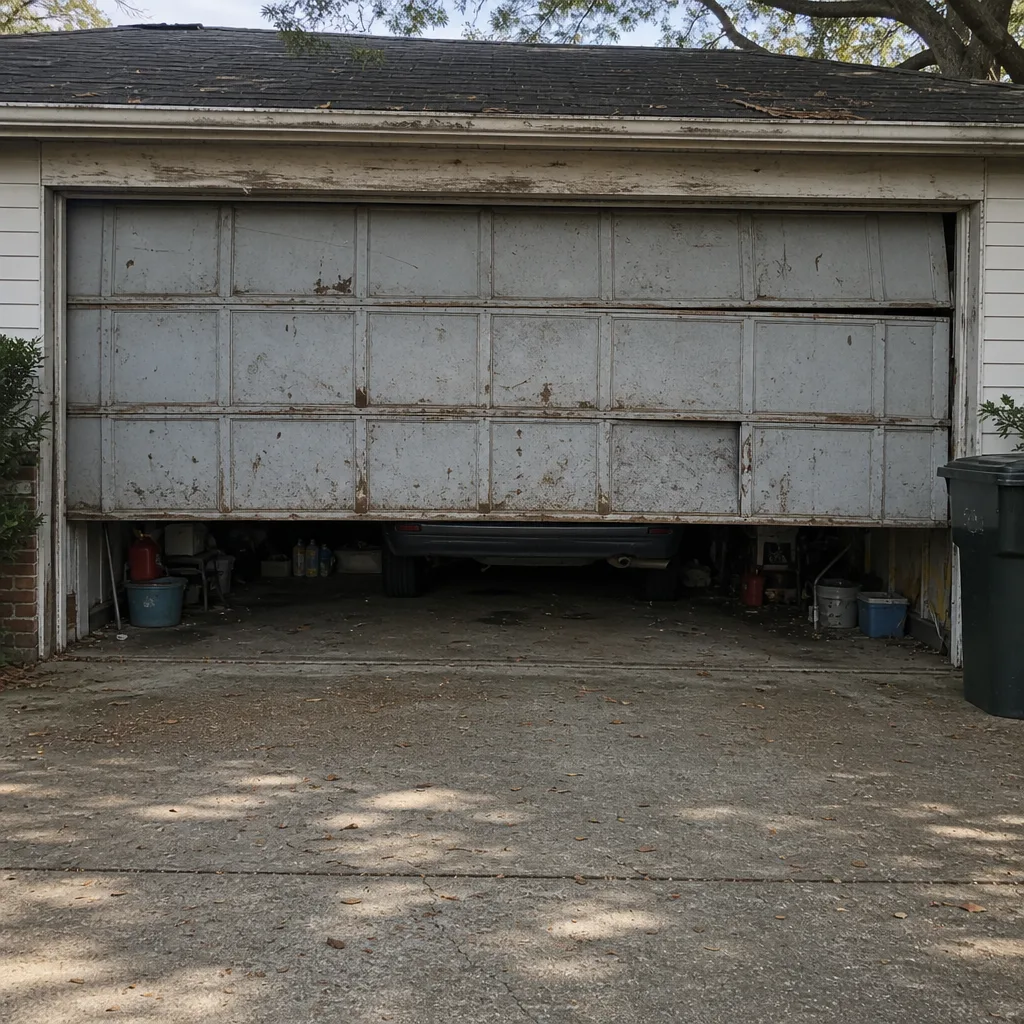 Before
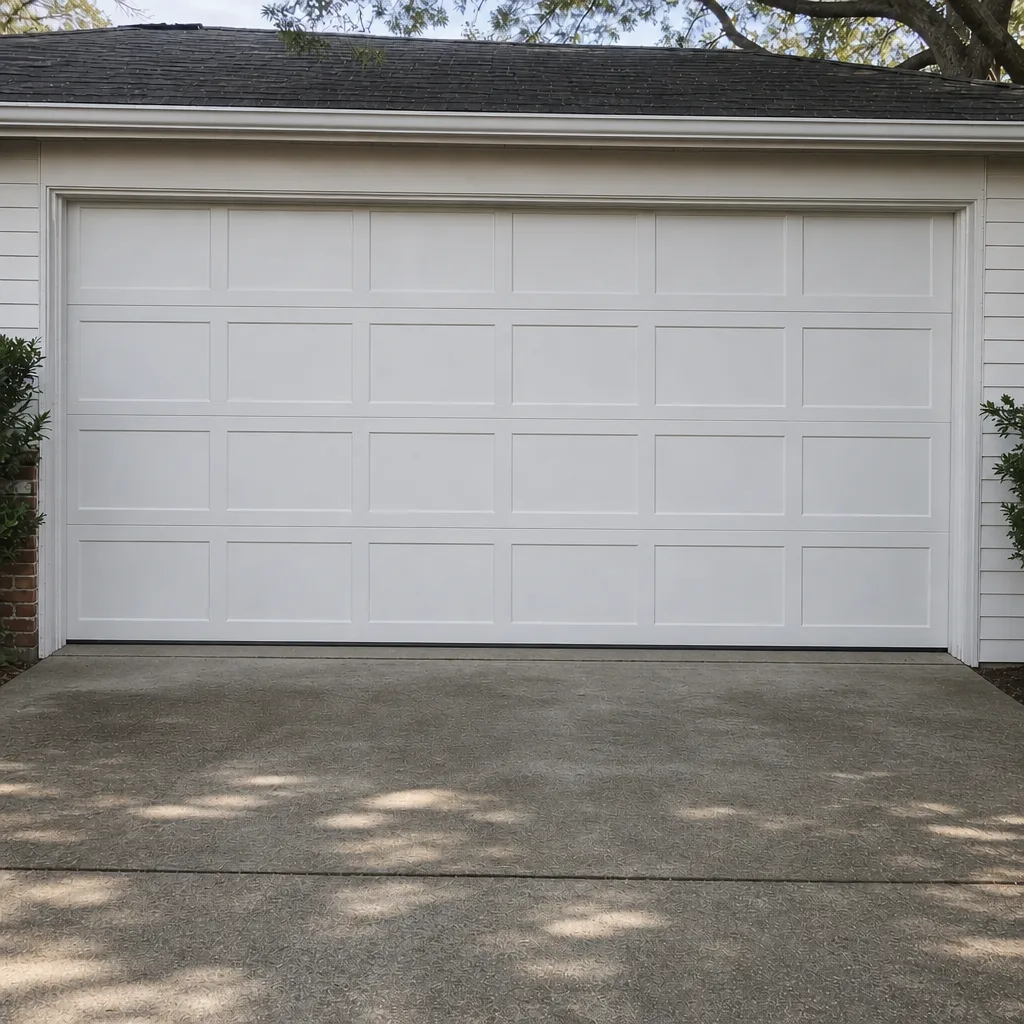 After
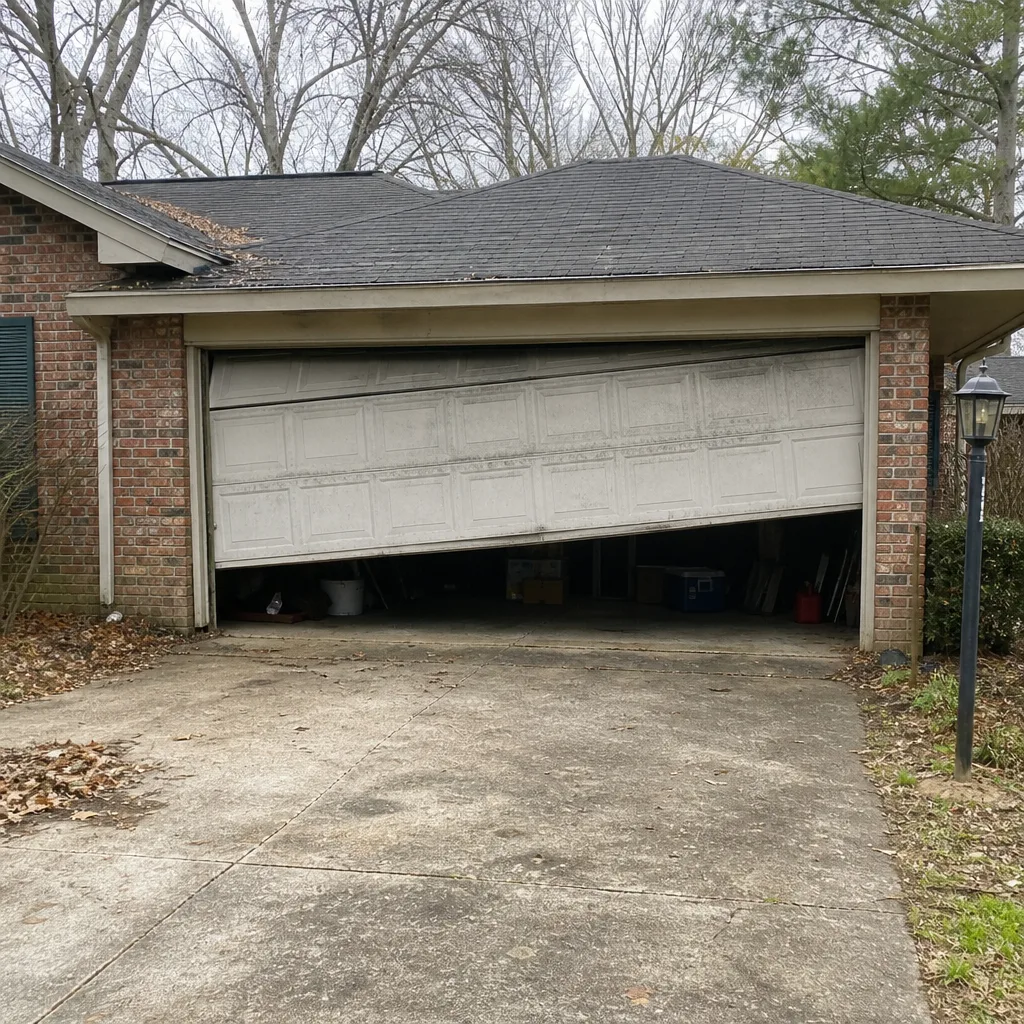 Before
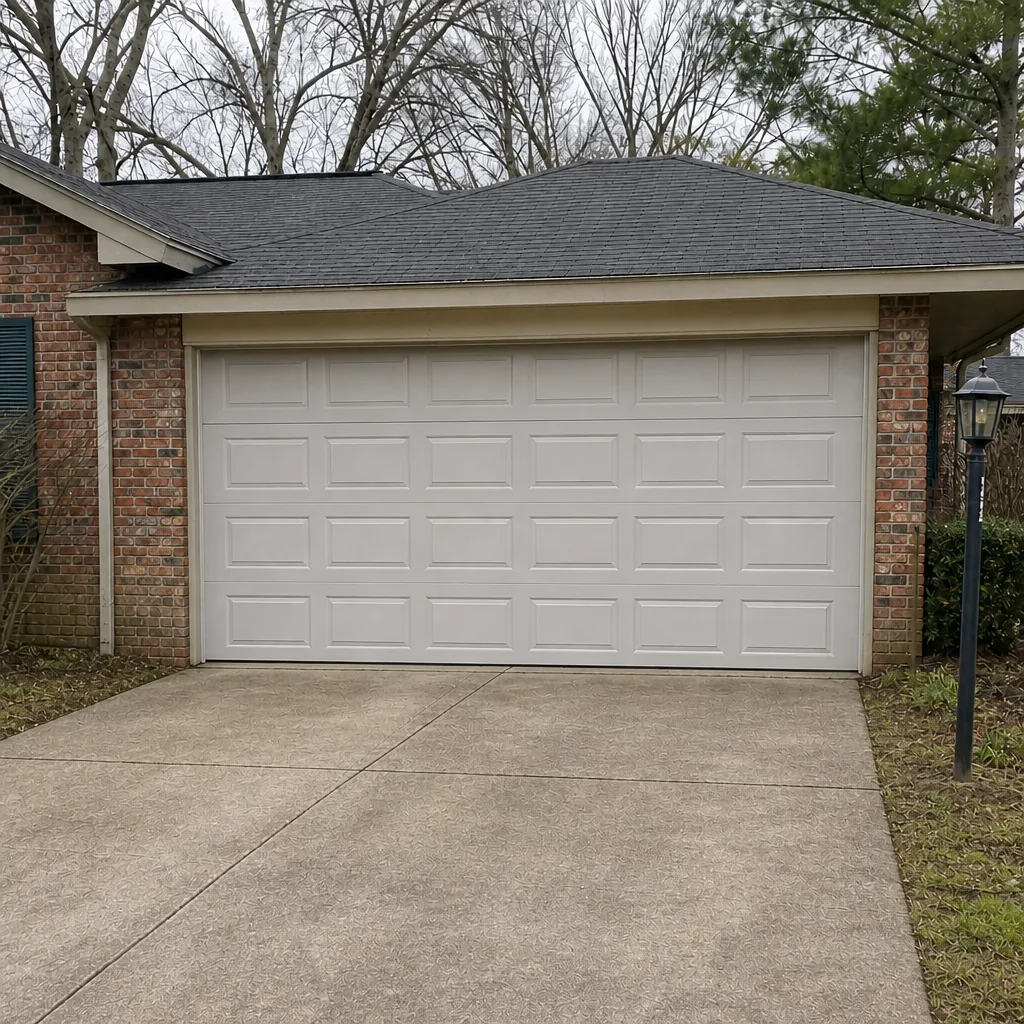 After
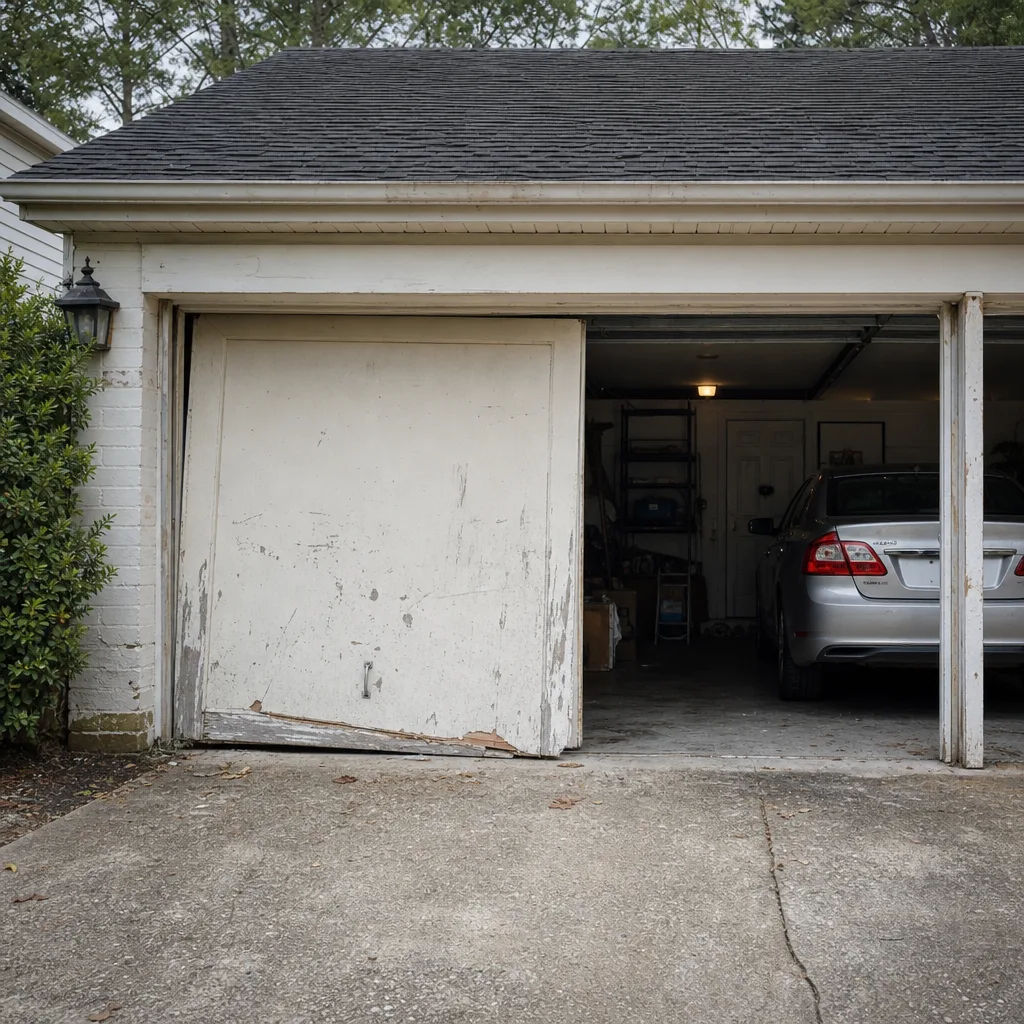 Before
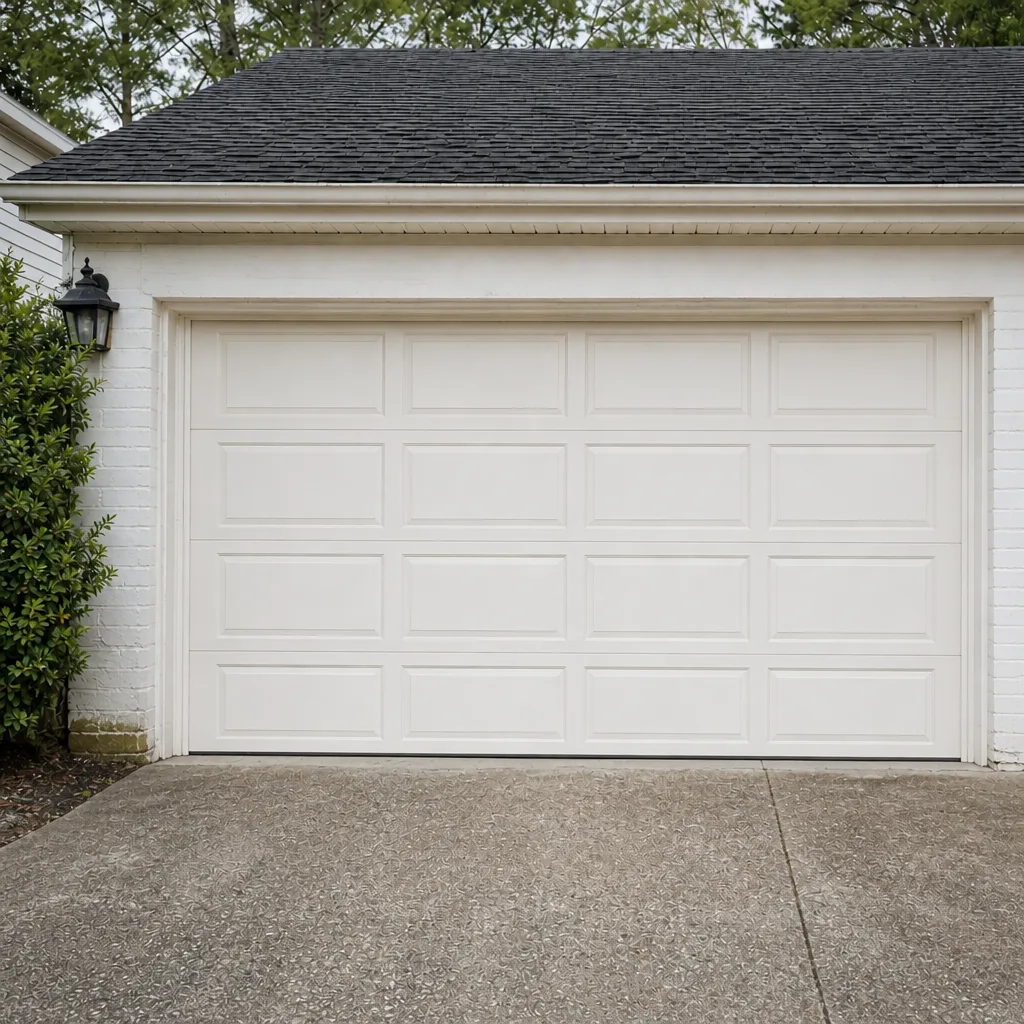 After