
Last updated November 15, 2026
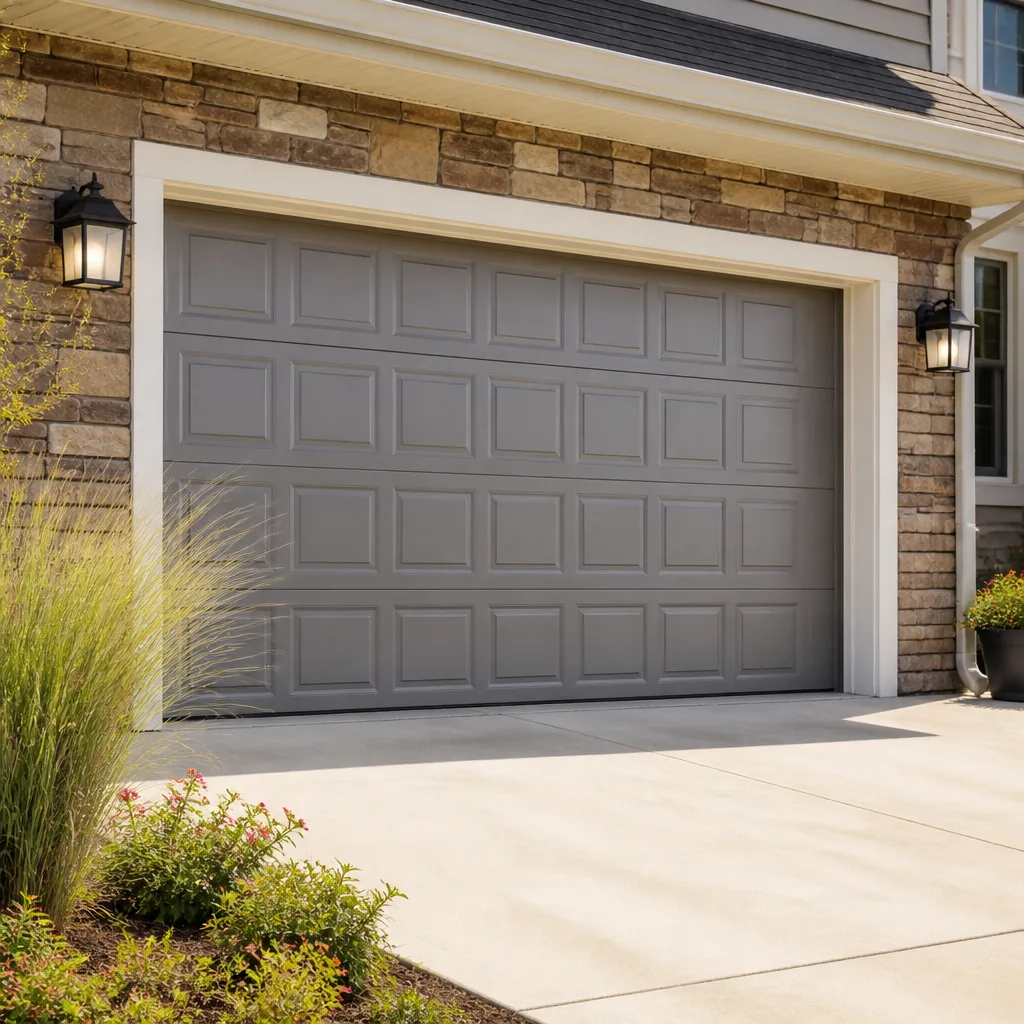 Raised-panel steel
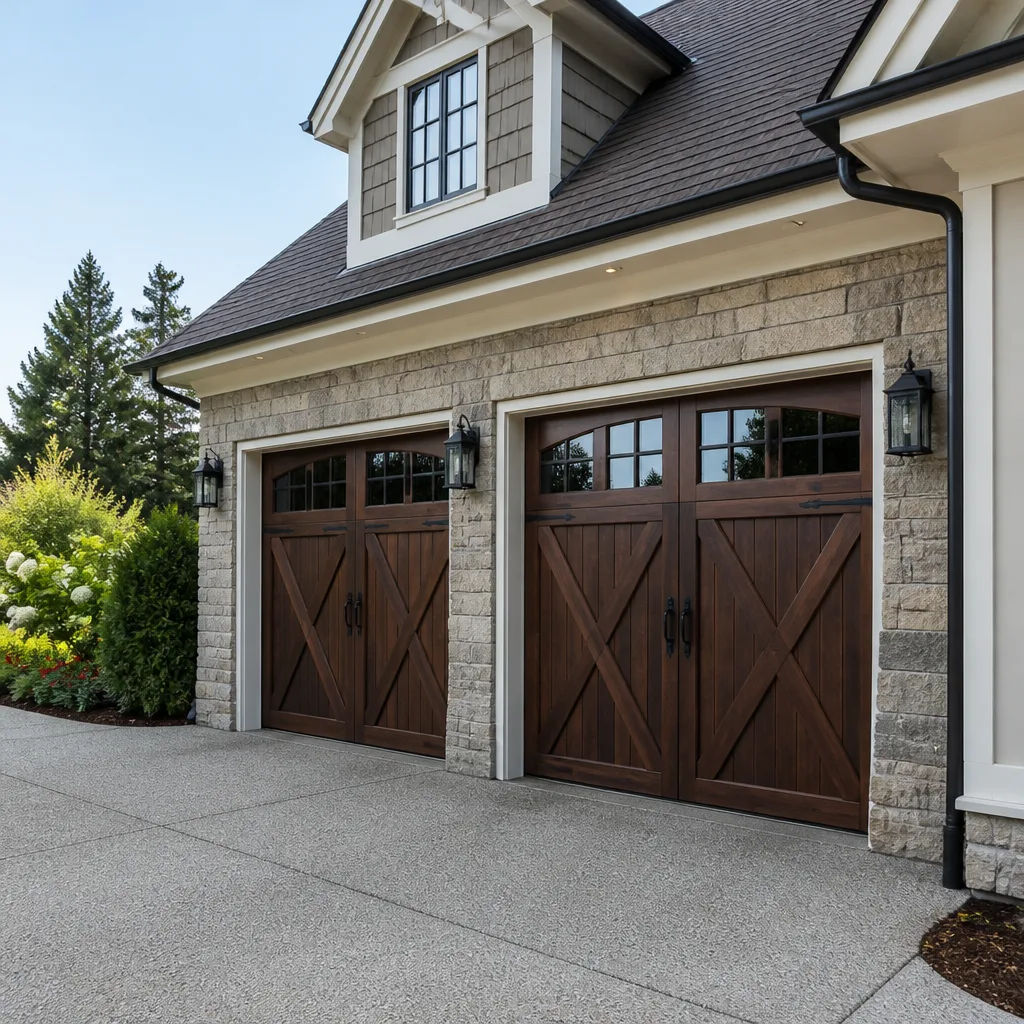 Carriage house
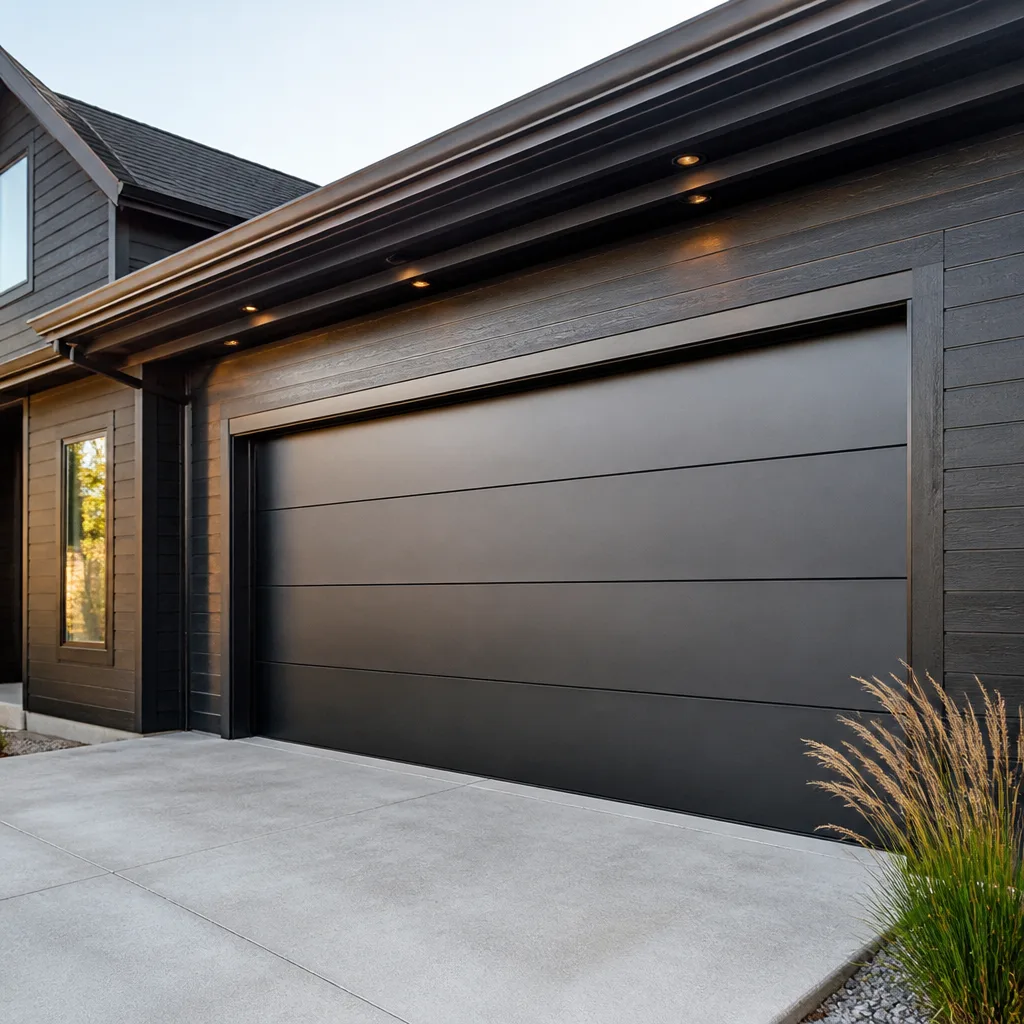 Modern flush
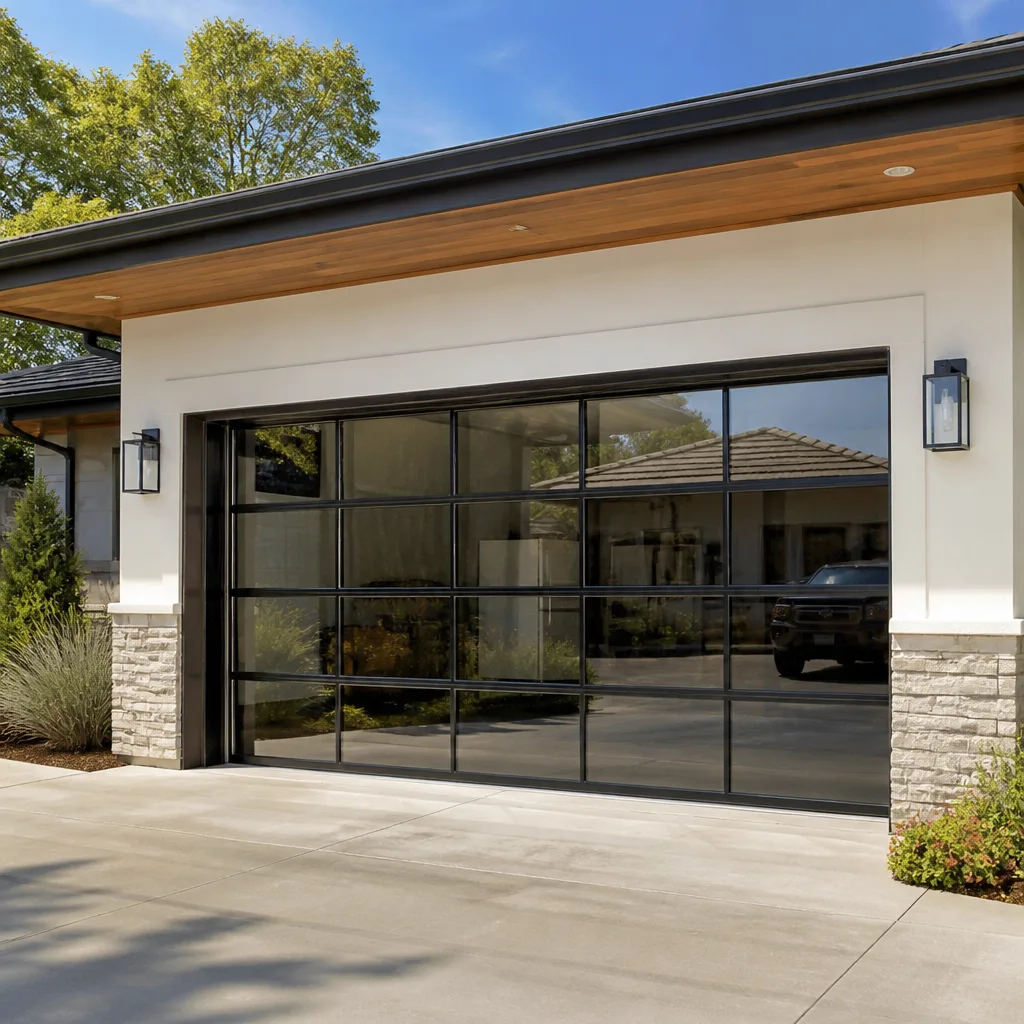 Full-view glass
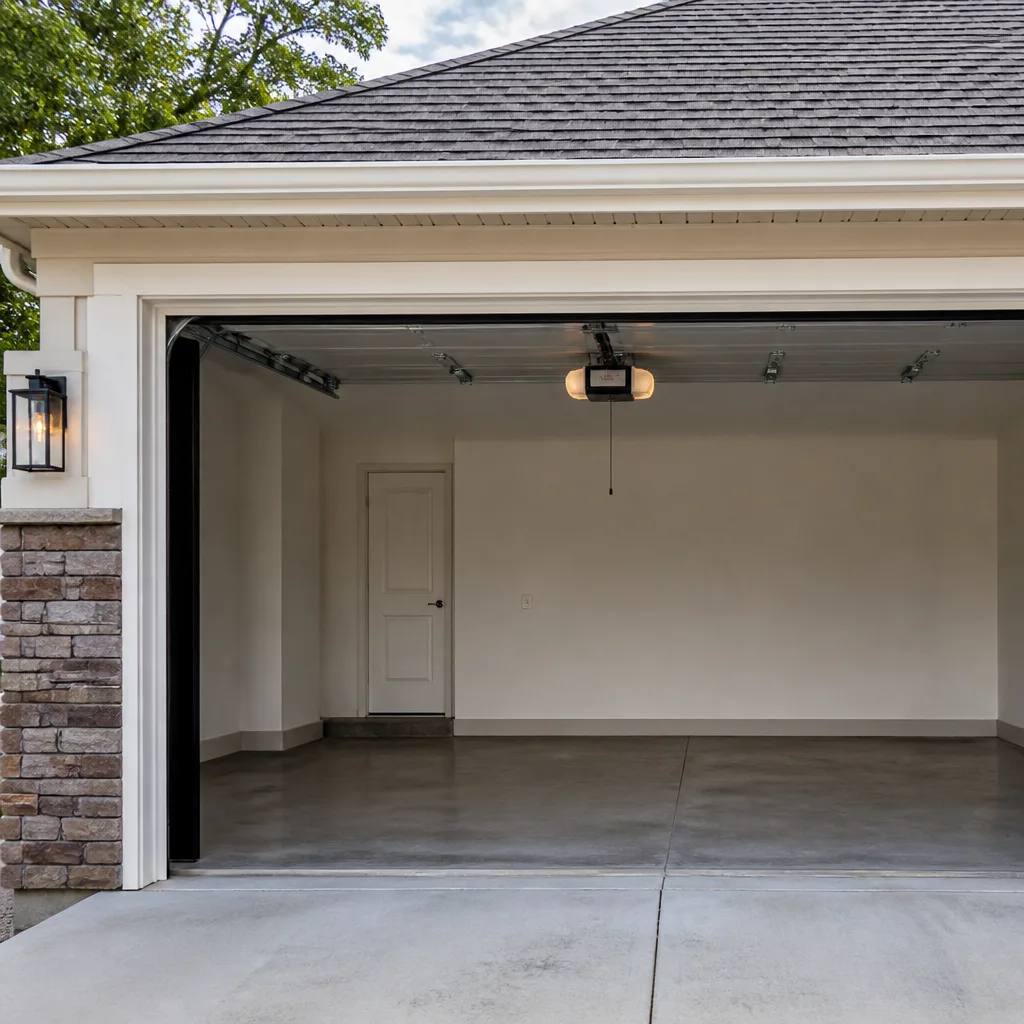 LiftMaster openers
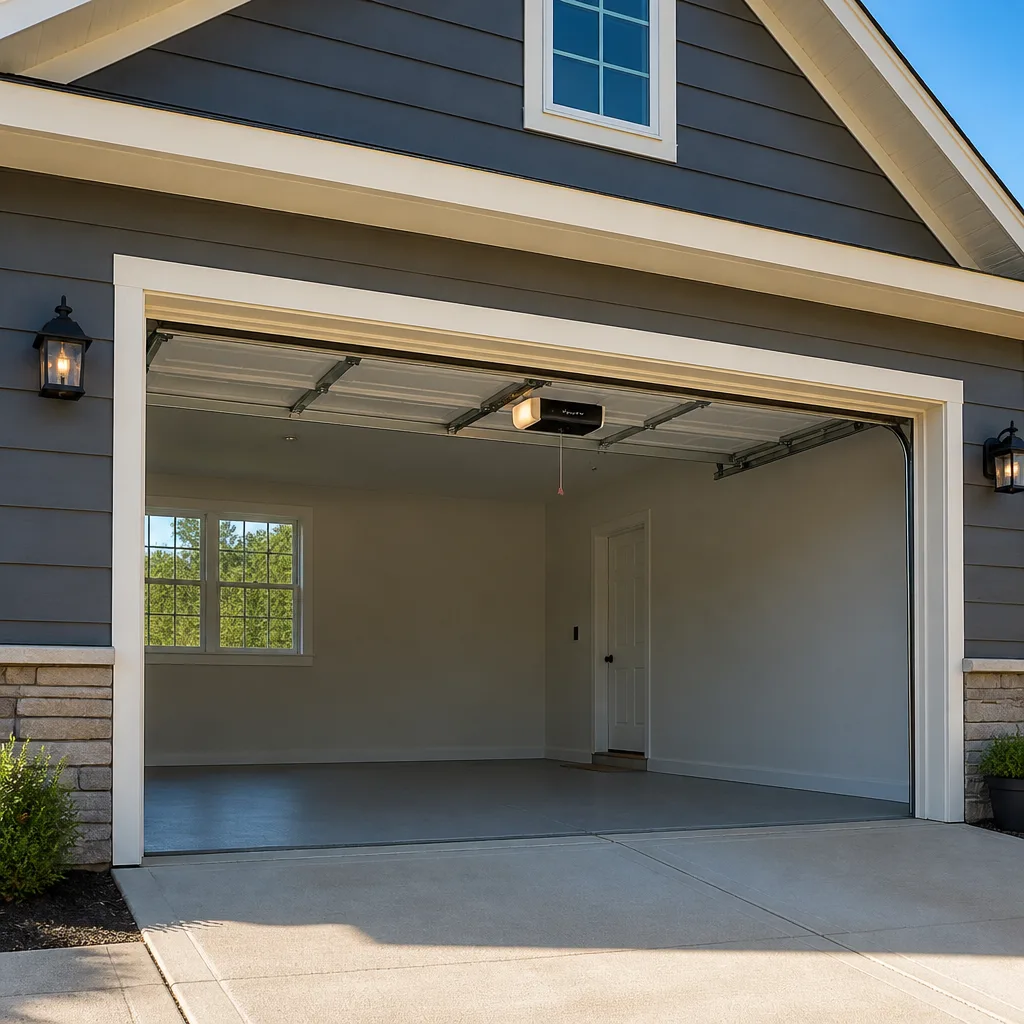 Chamberlain openers
Full 25-point door and opener safety check with every visit - springs, cables, rollers, tracks, and your LiftMaster or Chamberlain opener included
You get a price before we start. It does not change when the pro arrives.
Get your free estimateGarage Door Warning Signs: A Montgomery Homeowner’s Reference Guide
The grinding noise your door has been making for months isn’t “just how it sounds now.” It’s usually a dry or worn gear inside the opener, and it’s the kind of thing that starts small and ends with a door that won’t open at all. Most garage door failures announce themselves long before they happen, through changes in sound, speed, and the way the door sits. The problem is that these signals are easy to dismiss when the door still opens.
This guide names the specific warning signs we look for, explains the mechanism behind each one, and gives you an honest urgency scale so you know what to watch, what to schedule, and what to stop using right away. We’ll also cover which signs are seasonal in Montgomery’s heat and humidity rather than signs of a failing part.
Quick Answer
The main garage door warning signs are unusual sounds (grinding, squealing, popping, rattling), visual changes (warped panels, uneven floor gaps, uneven cable tension), and behavioral changes (the door reversing unexpectedly, moving slower, or needing several button presses). Grinding and popping usually point to the opener or the springs and mean schedule service soon or stop using the door. Squealing often means dry rollers or hinges. Rattling or a door that reverses mid-cycle can mean loose hardware or a misaligned safety sensor.
Styles & brands we work with
- Raised-panel steel
- Carriage house
- Modern flush
- Full-view glass
- LiftMaster openers
- Chamberlain openers
Table of Contents
- What Sound Warnings Tell You
- Visual Signs That Are Easy to Miss
- Behavioral Signs and What They Mean
- The Honest Urgency Scale
- Which Signs Are Seasonal in Montgomery
- Door Materials and How They Age Here
- Brand-Specific Observations
- What Regular Maintenance Should Actually Check
What Sound Warnings Tell You
Sound is the first thing most homeowners notice, and it’s also the most informative. Different noises come from different components, and knowing which is which tells you whether you’re looking at a cheap fix or a bigger problem. A garage door is a system of moving parts, and each part has its own voice when something starts to go wrong.
Grinding. A grinding or metal-on-metal sound usually comes from the opener, specifically a worn drive gear or stripped sprocket. It can also come from dry rollers pulling against a dry track. Grinding is one of the most common warning signs we hear about, and it almost always gets louder over time. Left alone, a worn gear can strip completely, and that’s when the opener stops lifting the door.
Squealing. A high-pitched squeal usually points to dry or worn rollers, hinges, or torsion hardware. It’s often the easiest sound to resolve with proper lubrication and a hardware check, which is why it pays not to ignore it. Squealing is usually a maintenance signal rather than an emergency.
Popping. A sharp pop, especially when the door is opening or closing, can mean a torsion spring is failing or has already broken. This is a serious sound. A snapped spring can drop the door hard, so if you hear popping from above the door, stop using it and call for help.
Rattling. Rattling usually means loose bolts, brackets, or hinges, or a track that has worked its way out of alignment. It’s often harmless at first, but loose hardware can eventually let the door come off its track. Rattling that gets worse, or that shows up with a shaking door, is worth a look.
If you hear the same sound for a week and just call it the door’s “new normal,” that’s the pattern we see most often. In our experience, sound is the earliest, cheapest signal you’ll get, and the one most often ignored.
Visual Signs That Are Easy to Miss
You look at your door every day, which is exactly why the small visual changes slip past you. Here are the ones worth a deliberate monthly check.
- Uneven gap at the floor. A door that leaves a gap on one side but seals flat on the other is usually off balance or sitting on a warped bottom section. An unbalanced door puts more strain on the opener and springs.
- Panel warping. Subtle bowing or warping in the panels, especially on the bottom section, is common in Montgomery’s humid summers. It can let water and pests in and can eventually throw the door out of alignment.
- Asymmetrical cable tension. The cables on each side should look equally taut. If one looks slack or frayed, the door is out of balance and could come down unevenly.
- Bent or worn rollers. Rollers that look flat, chipped, or crooked in the track are wearing out. A roller that has popped out of its bracket can leave the door riding rough.
- Rust spots. Light surface rust on hardware is a slow problem, but rust at the joints of hinges or rollers means moving parts are seizing.
A good habit is to stand inside the garage and look at the door frame straight on with the door closed. Any tilt, gap, or bow that wasn’t there before is your signal. For repair questions that come out of a visual check, our garage door repair page covers what each fix involves.
Behavioral Signs and What They Mean
A door that still opens but acts differently is telling you something is drifting out of spec. Here’s how to read the behavior.
- The door reverses unexpectedly. If the door goes down, then jumps back up before it reaches the floor, your safety sensors are usually blocked or out of alignment, or the “down” force limit is set too low. This is a safety feature doing its job, but it usually means a sensor adjustment is due.
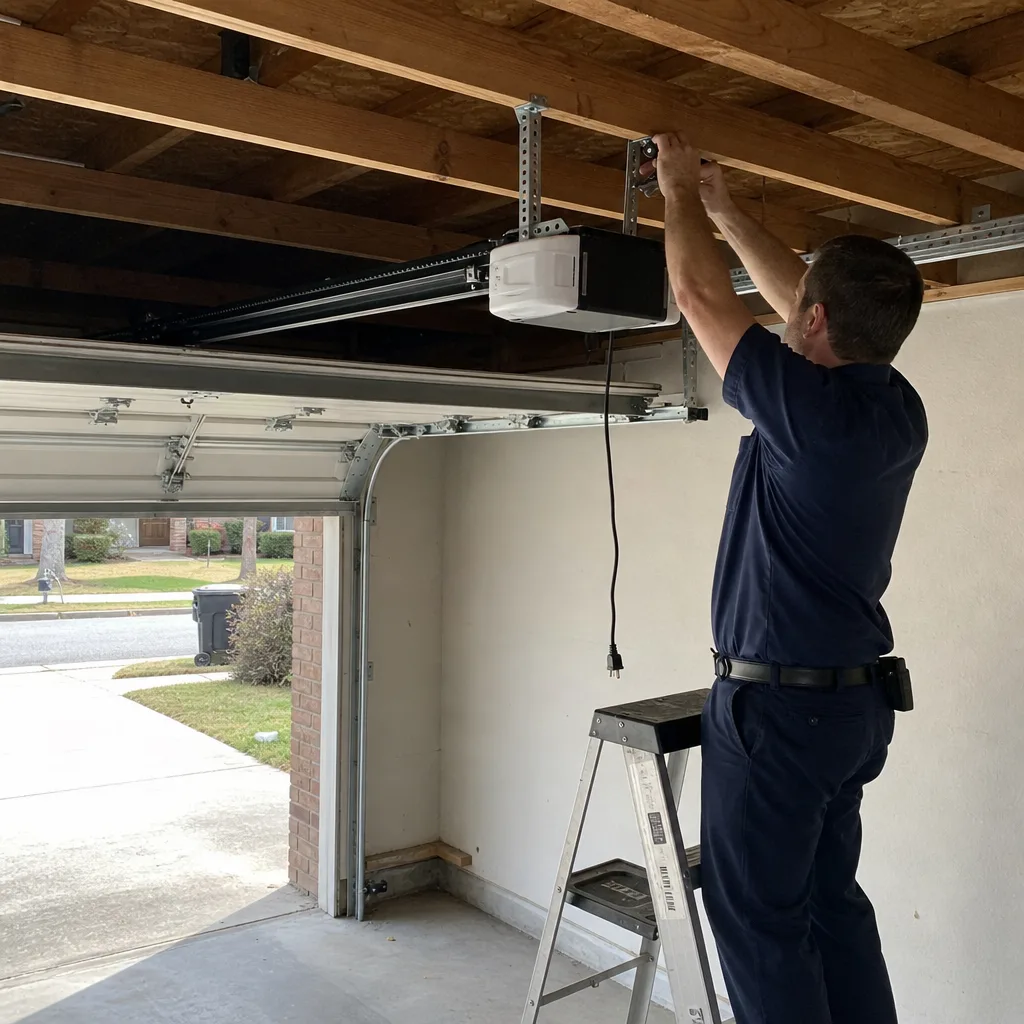
- The door moves slower than it used to. Slower travel is often a tired opener motor, a tight track, or worn rollers adding drag. On belt-drive and chain-drive openers, a failing component in the drive train can slow things down.
- It takes several button presses. If you have to press the remote two or three times, the remote battery or the wall button wiring is a common culprit. If the wall button works instantly but the remote is hit-and-miss, the problem is usually not the opener itself.
- The door only opens partway. Partial travel points to a travel-limit setting that has shifted or an obstruction in the track. It’s also a sign of a door that’s out of balance.
- The opener runs but the door doesn’t move. The motor runs but the door stays put, which usually means the carriage or drive gear has failed, or the door is locked or disconnected from the opener.
When the behavior is on the opener side, our garage door opener repair page walks through how we trace it. In our experience, the pattern of “it works, but not the way it used to” is the one homeowners live with longest before something fails.
The Honest Urgency Scale
Not every warning sign means the same thing. This is the scale we use when talking a homeowner through what they’re seeing over the phone. It keeps the advice honest and level rather than alarmist.
Stop using the door now:
- A snapped torsion spring (loud pop followed by the door feeling very heavy)
- A door that has jumped its track or looks like it’s hanging off one side
- A visibly frayed or slack cable
- A door that drops quickly or slams shut
These are the cases where a standard garage door is genuinely dangerous. Torsion springs and cables are under extreme tension. A trained technician wears the right tools and takes the right precautions before anything is touched, and this is not a component a homeowner should try to adjust or replace themselves.
Schedule service soon:
- Grinding or popping that happens every cycle
- Rattling that has gotten worse, or a door that shakes in the track
- The door reversing mid-cycle on every attempt
- An opener that runs but doesn’t lift the door
- An uneven floor gap that has grown
Watch it at your next maintenance check:
- Light squealing that comes and goes
- Surface rust on hardware
- A remote that takes an extra press now and then
- Occasional minor rattles
For anything on the “stop” list, call us at (888) 688-3641. We answer 24/7. Fast dispatch from 7am to 7pm, Sunday through Friday, so a problem that comes up outside those hours gets booked into the next opening. For repair topics, our repair page is the place to start.
Which Signs Are Seasonal in Montgomery
Montgomery’s summers are hot and humid, and the swing between a swampy July and a cold snap in January is a real cause of “new” symptoms. Some of what you notice in April or October is seasonal, not a sign of a permanent failure.
Hot, humid stretches can bow the bottom sections of composite or steel-backed doors and make a door sit slightly unevenly at the floor. Hinges and rollers can also pick up surface rust in a damp garage in a way they wouldn’t in a dry climate. In our experience, a panel that looks warped in July often looks straighter once the humidity comes down. That’s a sign to watch, not necessarily a sign to replace.
Cold snaps are when the garage door opener and the torsion system show their real condition. Steel contracts, torsion springs get tighter, and the opener has to work harder to lift the same door. A door that squeaked in July may grind in February. That’s why a door that sounds fine in summer can sound rough in winter and then “improve” on its own, which leads homeowners to assume the sound was never real.
If the same seasonal symptom shows up two years in a row, it’s no longer seasonal. That’s a component that’s worn and needs attention. For the broader picture of how different doors handle this climate, visit our Montgomery page.
Door Materials and How They Age Here
The warning signs you see depend partly on what your door is made of. Steel doors, which are the most common in Montgomery, tend to show rust at the bottom sections and dents that read as uneven gaps over time. Aluminum doors are lighter and can warp more easily in heat. Wood doors need the most attention because humidity makes them swell and shrink, which shows up as tight-fitting panels in summer and slight gaps in winter.
If your door is a Clopay or Amarr model, you’re likely dealing with steel or steel-backed sections, and the signs are usually rust, panel dents, and hinge wear. A Wayne Dalton door with a wood-look finish can show finish peeling in humid weather before any mechanical sign appears. Genie openers, which are common on older installations, tend to show their age through the travel limits drifting, remotes that lose range, and the thermal overload tripping on hot days.
Knowing the material tells you what to expect. A steel door with one dented bottom panel is usually a repair. A wooden door with swelling joints in July is more likely to need adjustment seasonally. If you’re unsure whether the door in front of you has years left, our Lakeside Garage Door Service has a look at the full range of repairs and installations we handle.
Brand-Specific Observations
We work on the brand already on your home, which is why we can usually name the likely trouble before we arrive. We’re fluent across eight major brands: LiftMaster, Chamberlain, Genie, Clopay, Amarr, Wayne Dalton, Craftsman, and Raynor. Brand-specific behavior isn’t a sales gimmick. It’s the difference between diagnosing a specific opener’s travel limit system and guessing.
A LiftMaster or Chamberlain opener, for example, often signals a sensor problem through the behavior of the indicator lights on the sensor units themselves, and that tells you a lot before the door moves. A Genie unit tends to show a limit switch problem through stalled or partial travel. Clopay, Amarr, and Wayne Dalton door sections each have their own panel and hardware patterns, so the way they wear and the way they should sound differ.
When you call, know the brand if you can find it. The label is usually on the back of the opener motor housing or on the inside of the door panels. It saves time and it means the diagnosis fits what you actually own.
What Regular Maintenance Should Actually Check
Maintenance is where these warning signs get caught early, which is the whole point of this guide. Here’s what a real check covers, whether you do the simple parts yourself or have a technician do it.
- Balance test. Disconnect the opener and lift the door by hand halfway. A balanced door should hold its position without drifting down or up.
- Safety sensor check. Place a test object in the door’s path while closing. The door should reverse within the safety range set by your opener’s manual.
- Hardware inspection. Look at every hinge, roller, and bracket for rust, cracks, or looseness.
- Spring and cable inspection. Look for gaps in the springs and fraying on the cables. Do not try to adjust or replace these yourself; they are under extreme tension and need a trained professional.
- Lubrication. A garage door needs a proper lubricant on the rollers, hinges, and torsion hardware, not a generic product that attracts dust.
- Obstruction and seal check. Clear debris from the tracks and inspect the bottom seal for cracks. A worn seal lets water in during Montgomery’s summer storms.
- Opener test. Run the door through a full cycle and listen for anything new. Sound is still the easiest early warning you have.
Doing this every few months, and whenever the season changes, lets you catch a small problem before it becomes a big one. For a closer look at specific repair needs, our openers and repair resources cover the parts most likely to fail.
Common Mistakes to Avoid
- Normalizing a new sound. “It’s always made that noise” is the single most common way a small gear problem becomes a dead opener. A new sound is always a new signal, and the fix is usually cheaper early.
- Ignoring a seasonal symptom that repeats. A door that grinds every winter is worn, not weather-sensitive. If a symptom shows up two years running, treat it as a repair need.
- Spraying random lubricants on everything. Thick or wrong lubricant on rollers and tracks attracts grit and makes wear worse. Use the product the door’s hardware actually calls for.
- Adjusting springs or cables yourself. A torsion spring holds enough force to cause serious injury. The risk isn’t worth the saved call.
- Assuming a stuck door is always the opener. A dead opener can be a door that’s out of balance, a broken spring, or a stripped gear. Troubleshooting the wrong end wastes money.
- Letting a small floor gap go all summer. In Montgomery’s humid months, that gap feeds water into the garage and speeds up warping and rust.
- Replacing a door that just needed a repair. A door that’s off balance or has one bad panel is often a repair job, not a replacement. Get a diagnosis before you spend on a new door.
See the difference
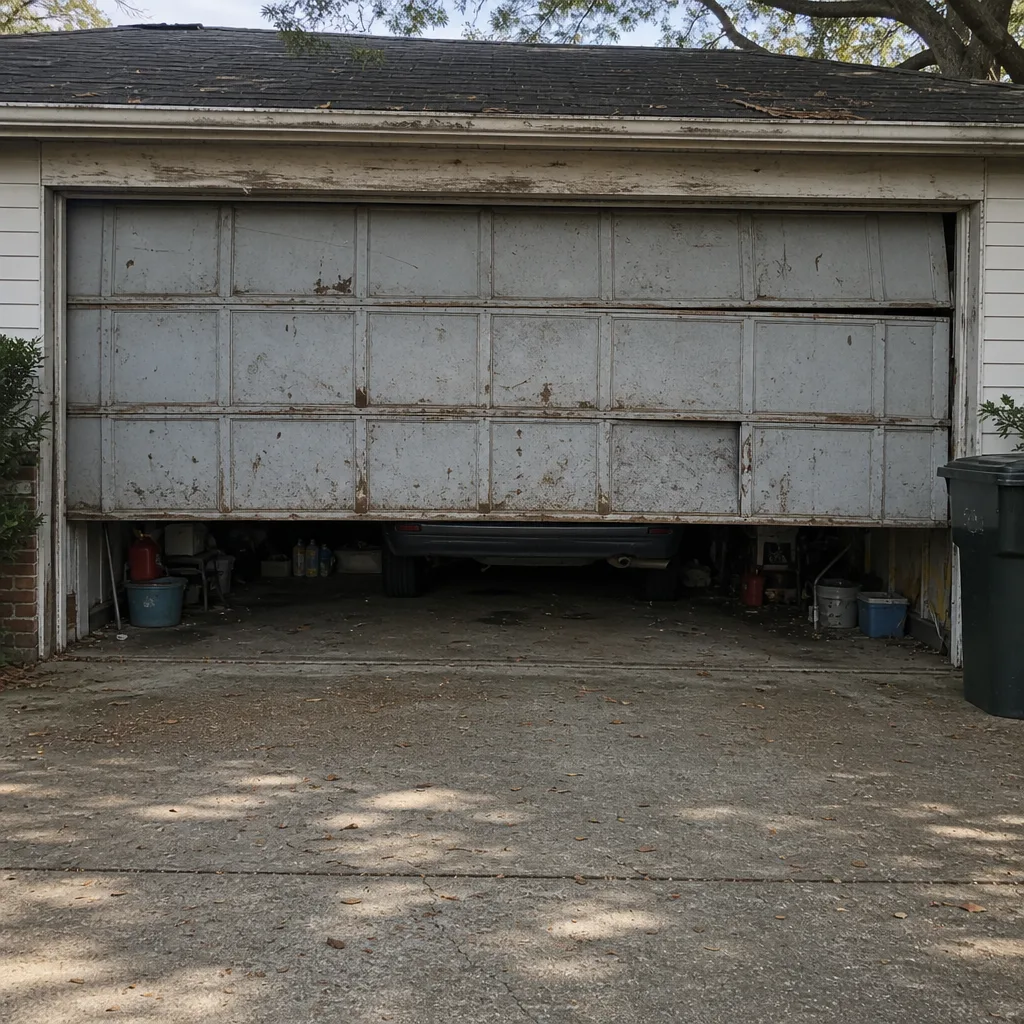 Before
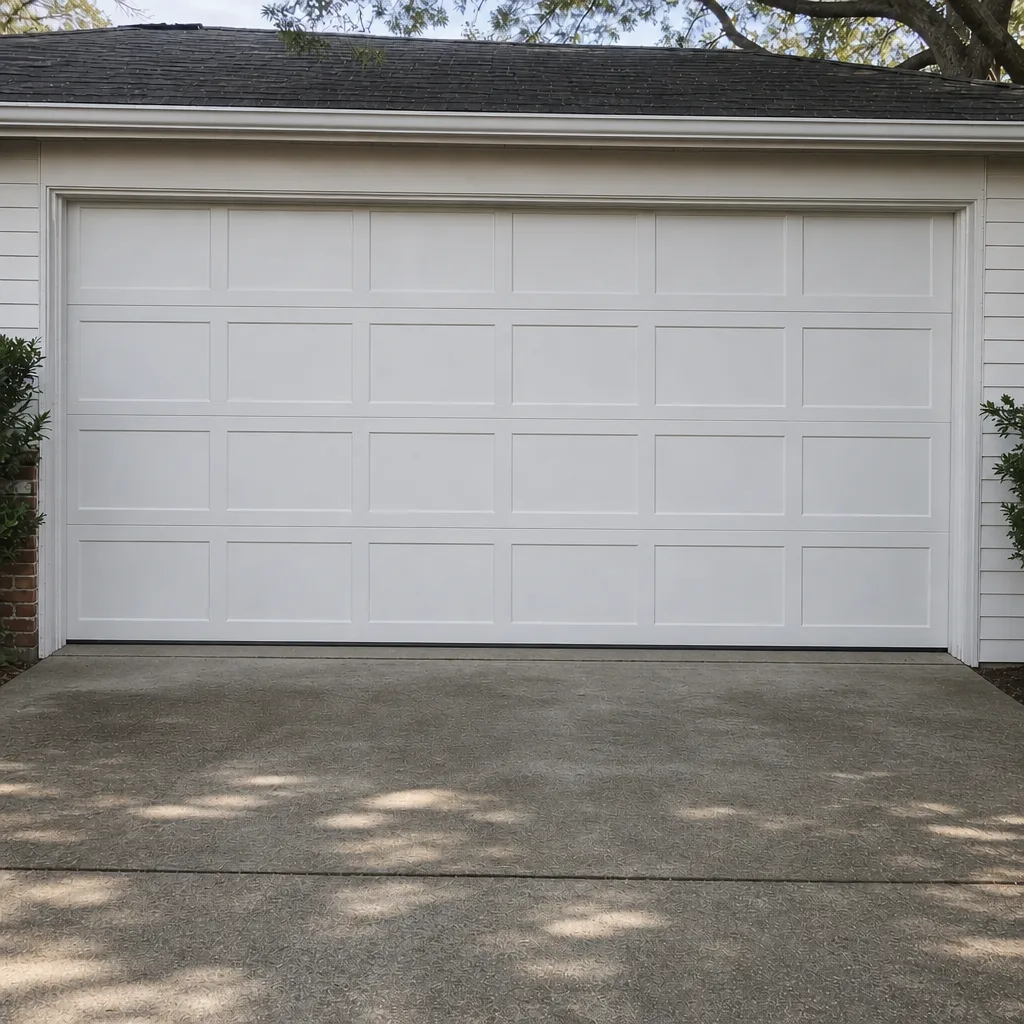 After
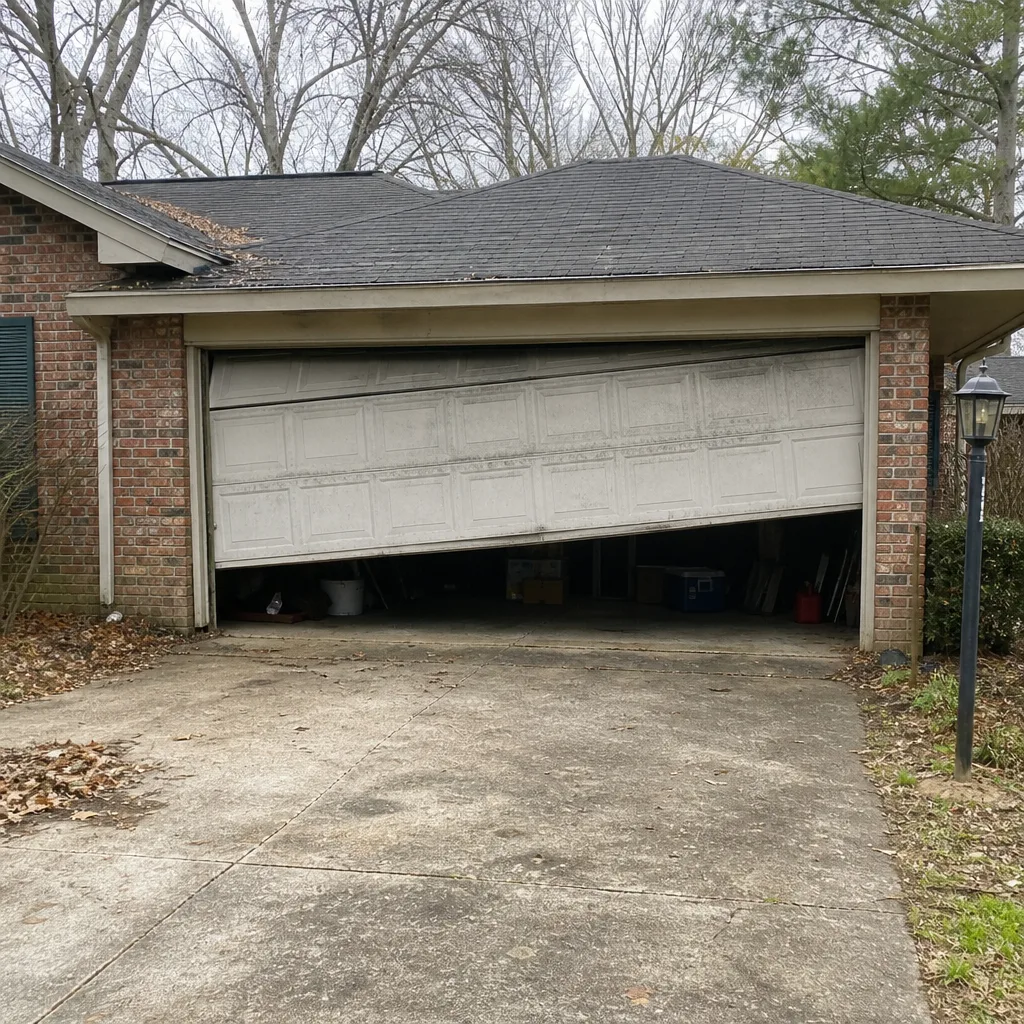 Before
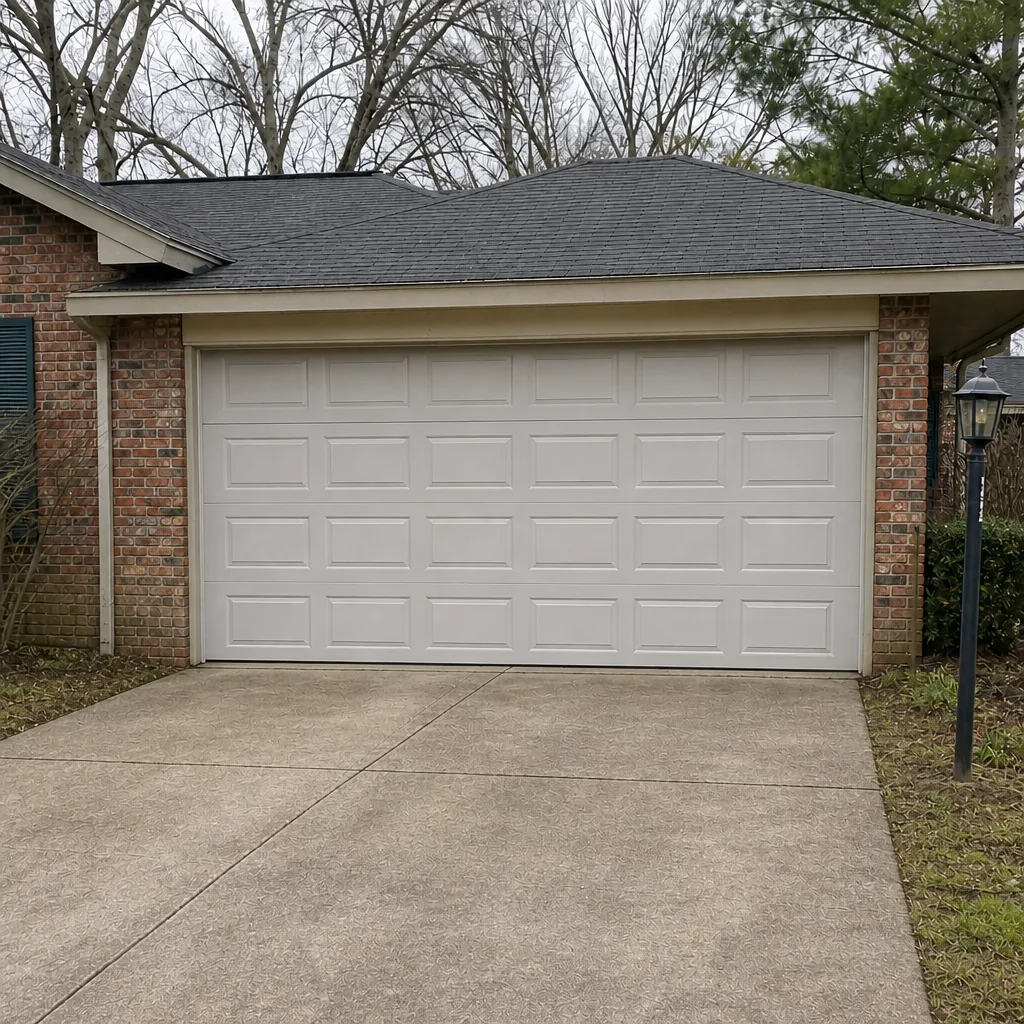 After
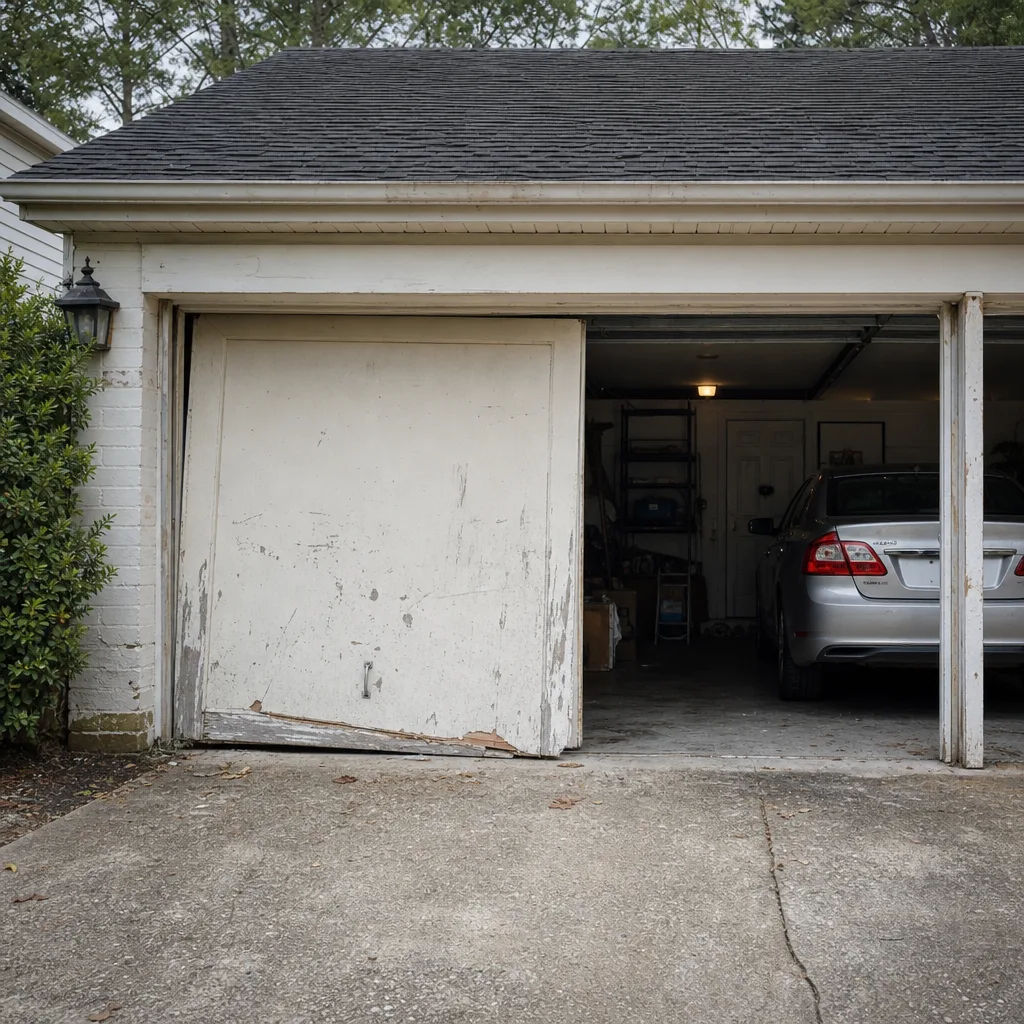 Before
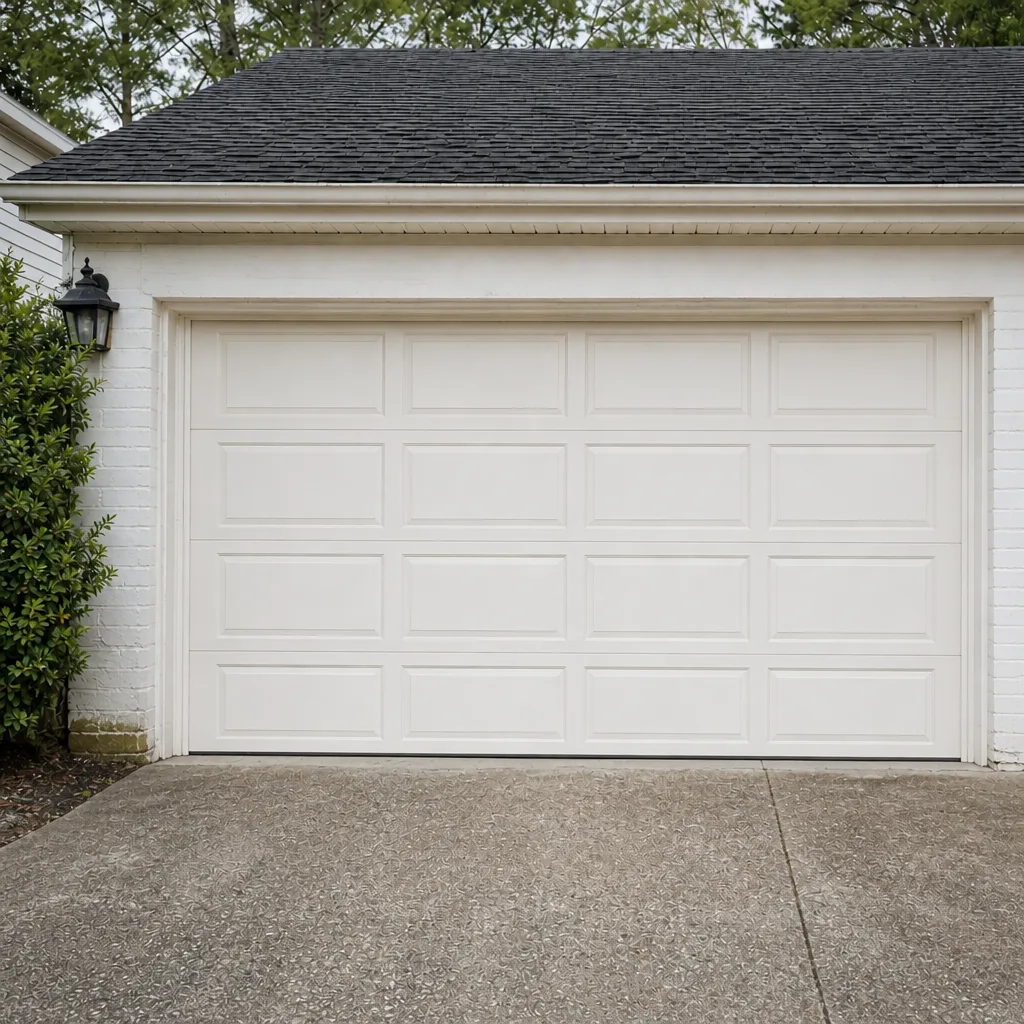 After
When to Call a Professional
Call a technician when the sound comes from the torsion system, when the door jumps its track, when a cable looks frayed or slack, or when the opener runs but the door won’t. Those are the cases where a trained eye saves you money and keeps you safe. Call sooner if the door starts to drop or reverse mid-cycle and you can’t see why.
If you’re not sure, that’s a good reason to call too. Describing what you hear and see over the phone is often enough to know whether it’s a quick fix or a bigger job. As a garage door specialist in the Montgomery area, Lakeside Garage Door Service has free estimates, and the price is agreed before any work starts. Call (888) 688-3641. We answer 24/7. Fast dispatch from 7am to 7pm, Sunday through Friday.
Frequently Asked Questions
The most common are unusual sounds (grinding, squealing, popping, rattling), a door that moves slower than it used to, and a door that reverses mid-cycle. Any of these is usually an early sign of a worn component, which is much cheaper to fix before the part fails completely.
A visual and sound check every few months, with a more thorough hardware look each spring and fall, is a reasonable habit. Watch closely when the season changes, because Montgomery’s humidity and heat swings are when a worn part first shows itself.
No, a light squeal that comes and goes is usually a lubrication or hardware issue. If the squeal comes with grinding, popping, or a door that won’t open fully, schedule service soon and mention the sound.
You can handle light lubrication of rollers and hinges and clearing debris from the tracks. Do not adjust the springs, cables, or torsion hardware yourself. Those parts are under extreme tension and should only be handled by a trained technician.
Partial travel usually points to a travel-limit setting on the opener that has drifted, or an obstruction in the track. It can also mean the door is out of balance, so it’s worth having it looked at rather than adding force.
No. The written estimate is the price, and we agree it before any work starts. In our experience, homeowners’ second worry after the diagnosis is a larger invoice, so the number should be clear before anything is touched. Call (888) 688-3641 for an exact quote; estimates are free.
Fast dispatch runs from 7am to 7pm, Sunday through Friday, and a call outside those hours is booked into the next opening. Dispatch can be same day for repair calls in the Montgomery area. Call (888) 688-3641; we answer 24/7.
The Bottom Line
Garage door warning signs are quiet and easy to dismiss, which is why most failures feel sudden when they’re not. The pattern is almost always the same: a new sound, a slower cycle, a small floor gap, then a door that won’t open. Sound is your earliest and cheapest warning. Visual changes tell you about balance and wear. Behavior tells you about the opener and the safety system. Watch the seasonal symptoms in Montgomery, but treat anything that repeats as a real repair. The urgency scale is the simplest tool in this guide: stop for springs, cables, and track problems, schedule for grinding and reversing, watch for light squeals. Our technicians have up to 8 years of experience and know the brand already on your door. Call (888) 688-3641 for a free estimate.
If your door is showing any of the signs in this guide, we can help you sort out what’s a watch-and-wait and what needs a technician now. Call (888) 688-3641 for a free estimate. Our team works on repair, opener repair, and installation, so one call covers the whole system.
Written by the team at Lakeside Garage Door Service.